 Valex Motor
What is a Heavy Duty Gear Motor and Its Benefits for Buyers?
In various industrial applications, the Heavy Duty Gear Motor stands out for its robustness and efficiency. This type of motor is built to handle significant loads while providing consistent performance. Buyers often seek this powerful equipment when faced with demanding tasks. Understanding its benefits can guide informed decisions.
Heavy Duty Gear Motors are essential in many sectors. They excel in environments where durability and torque are crucial. For example, manufacturing plants often rely on these motors for conveyor systems. The reliability of a Heavy Duty Gear Motor can prevent costly downtimes, ensuring smooth operations.
Investing in a Heavy Duty Gear Motor may increase upfront costs. However, the long-term savings on maintenance and energy efficiency can outweigh this initial expense. Buyers must weigh these factors carefully. This balance of investment versus reliability becomes critical for successful operations. In the end, the right motor choice can significantly impact productivity and efficiency in various applications.
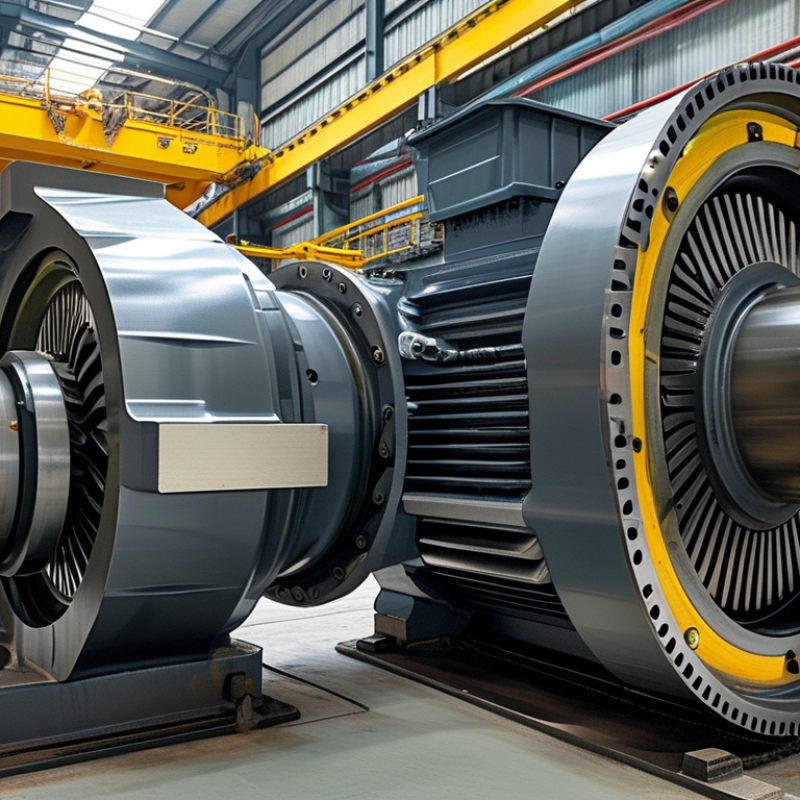
What is a Heavy Duty Gear Motor?
A heavy-duty gear motor is a robust device that combines a motor and a gearbox. It is designed to handle high torque and heavy loads. These motors are commonly used in industrial applications such as conveyors, crushers, and hoists. According to industry reports, the demand for heavy-duty gear motors is projected to grow at a compound annual growth rate (CAGR) of 5% between 2023 and 2028. This growth is driven by their reliability and performance in demanding environments.
These gear motors feature an enclosed design, ensuring protection against dust and moisture. This is particularly critical for operations in harsh conditions. Users often appreciate their efficiency in reducing energy consumption. Some reports indicate that using these motors can improve energy efficiency by up to 25%. However, selecting the right motor requires consideration of both application-specific requirements and potential limitations.
Selecting a heavy-duty gear motor requires careful analysis. Verify the torque needs and assess environmental factors like temperature and humidity. Ensuring compatibility with existing machinery is essential for seamless integration. Investing in one can yield significant long-term savings due to durability and performance. Ultimately, the right choice balances power, size, and efficiency for optimal operational outcomes.
FAQS
: They include gear reducers, electric motors, and bearings. Each contributes to durability and efficiency.
Different gear types affect torque transfer, efficiency, and noise levels. Helical gears might be quieter than bevel gears.
They are high-efficiency and designed for continuous operation under heavy loads. Reliability is crucial in industrial applications.
High-quality bearings support the motor shaft and reduce friction. This enhances the motor's lifespan significantly.
They offer reliability, excellent torque, and reduced downtime. They’re ideal for high-load environments like manufacturing.
They provide precise control and lower power consumption. This leads to lower operational costs over time.
Evaluate torque requirements, horsepower, operating environment, and potential noise levels for optimal performance.
Extreme temperatures and moisture require motors designed for harsh conditions. Material choice is crucial for durability.
Mismatched horsepower can lead to inefficiencies and even equipment failure. Reflection on needs is essential.
Oversizing can lead to inefficiencies, increased costs, and potential operational issues. Careful assessment is critical.
Conclusion
A Heavy Duty Gear Motor is a robust mechanical device that combines a gear system with an electric motor, designed to handle high torque and demanding applications. Its key components include gears, an electric motor, and a housing that protects these parts from external elements. Buyers can benefit significantly from using Heavy Duty Gear Motors due to their durability, efficiency, and capability to operate in harsh environments, making them ideal for heavy-load applications.
These motors are widely utilized across various industries, such as manufacturing, construction, and automotive, where reliable performance is crucial. When selecting a Heavy Duty Gear Motor, buyers should consider factors like power requirements, torque specifications, and environmental conditions to ensure they choose the right model for their specific needs.
