 Valex Motor
Featured Miniature & High-Torque Brushless Motors
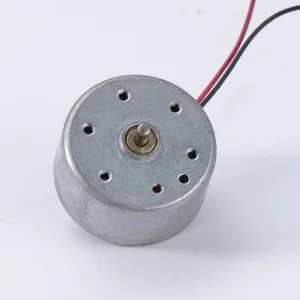
Micro Brushless Dc Motor for Fan/hair Dryer/rc Plane/vacuum Cleaner 6V 12v 24V High Speed 10000rpm Round Permanent Magnet 18mm
View Details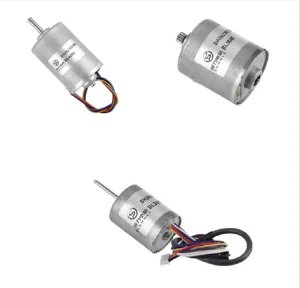
Power Brushless Dc Motor 12v 18v 24v 1500 RPM 3000 RPM 4000 RPM Micro Motor Permanent Magnet 5MM High Torque Brushless Motor
View Details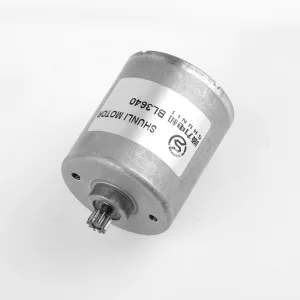
12v 18v 24v Brushless Motor 1500 RPM 10000 RPM 15000 RPM Bldc Motor Brushless Electric Motor for Industrial Equipment
View Details
China Motor Manufacturer Customized High Speed 24 Volt Brushless Dc Motor Price Dc Brushless Motor
View Details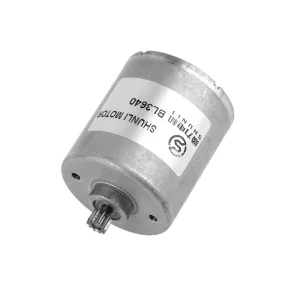
12V 18V 24V High Speed 20000 RPM 30000RPM 40000 RPM 100 G.CM 150 G.CM 36 mm Brushless DC Motor for Fan
View Details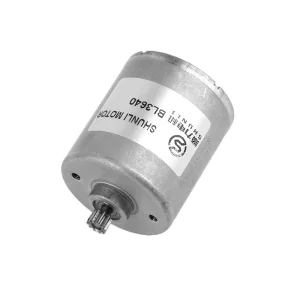
Electric BLDC Brushless DC Motor Micro Motor CAR Permanent Magnet FAN Boat 12v 36v 48v 24v 20000 RPM-40000 RPM
View Details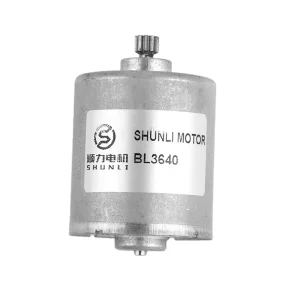
Brushless Motor for Blender Shenzhen Manufacturer 3 Watt 24v Micro Motor CAR Permanent Magnet FAN
View Details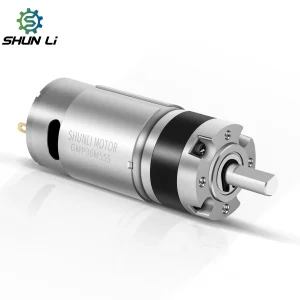
Shunli Customizable 12v 24v 15Rpm 20Rpm 50Rpm Brushed Brushless Dc Planetary Gear Motor of Automatic Lifting Curtain
View Details1. The Global Landscape of Brushless DC (BLDC) Motors
The shift from traditional brushed motors to Brushless DC (BLDC) motors marks a key milestone in modern mechanical design. Industry reports estimate the global BLDC motor market will exceed USD 30 billion by 2030, driven by the demand for energy-efficient, reliable, and high-precision automation components.
Industrial designers choose BLDC motors primarily for their efficiency. By using electronic commutation rather than mechanical brushes, these motors reduce friction, heat, and wear. This design delivers higher torque-to-weight ratios, quieter operation, and an operating lifespan that often exceeds 20,000 hours—far outperforming traditional brushed variants.
From sub-10mm micro-drives used in minimally invasive medical instruments to high-power, multi-kilowatt motors for electric vehicles and heavy machinery, BLDC technology is a core element of modern product engineering.
2. Technical Architecture: Sensored vs. Sensorless Commutation
A key design decision for engineers when sourcing BLDC motors is selecting the commutation feedback mechanism. The table below compares the two primary approaches:
| Feature | Sensored Commutation (Hall Effect) | Sensorless Commutation (Back-EMF / FOC) |
|---|---|---|
| Startup Torque | Excellent; immediate position detection. | Moderate; requires alignment routine. |
| System Complexity | Higher (requires physical sensors & extra wiring). | Lower mechanical layout, higher algorithm complexity. |
| Environmental Resistance | Sensors can degrade at temperatures over 125°C. | High reliability in high-temp and wet environments. |
| Typical Applications | Precision robotics, lifting actuators, vehicles. | Fans, blenders, vacuum cleaners, rc planes. |
3. The Chinese Manufacturing Advantage in BLDC Supply Chains
China has become a leading hub for BLDC motor manufacturing by establishing highly integrated industrial ecosystems. Key production clusters, such as those in Shenzhen, Guangdong, and the Yangtze River Delta, bring together raw material processing, precision component machining, and final assembly in close proximity.
This geographical concentration provides significant logistical and production advantages:
- Rare Earth Magnet Procurement: China processes a significant portion of the world's Neodymium (NdFeB) magnets, ensuring stable access to the high-energy permanent magnets required for high-torque BLDC rotors.
- Automated Tooling: Domestic component manufacturing allows factories to scale up automated production quickly, maintaining consistency across large production runs.
- Agile Customization: Engineering teams can rapidly source and modify specialized parts—such as customized gearboxes, shafts, and winding patterns—reducing prototyping times from months to days.
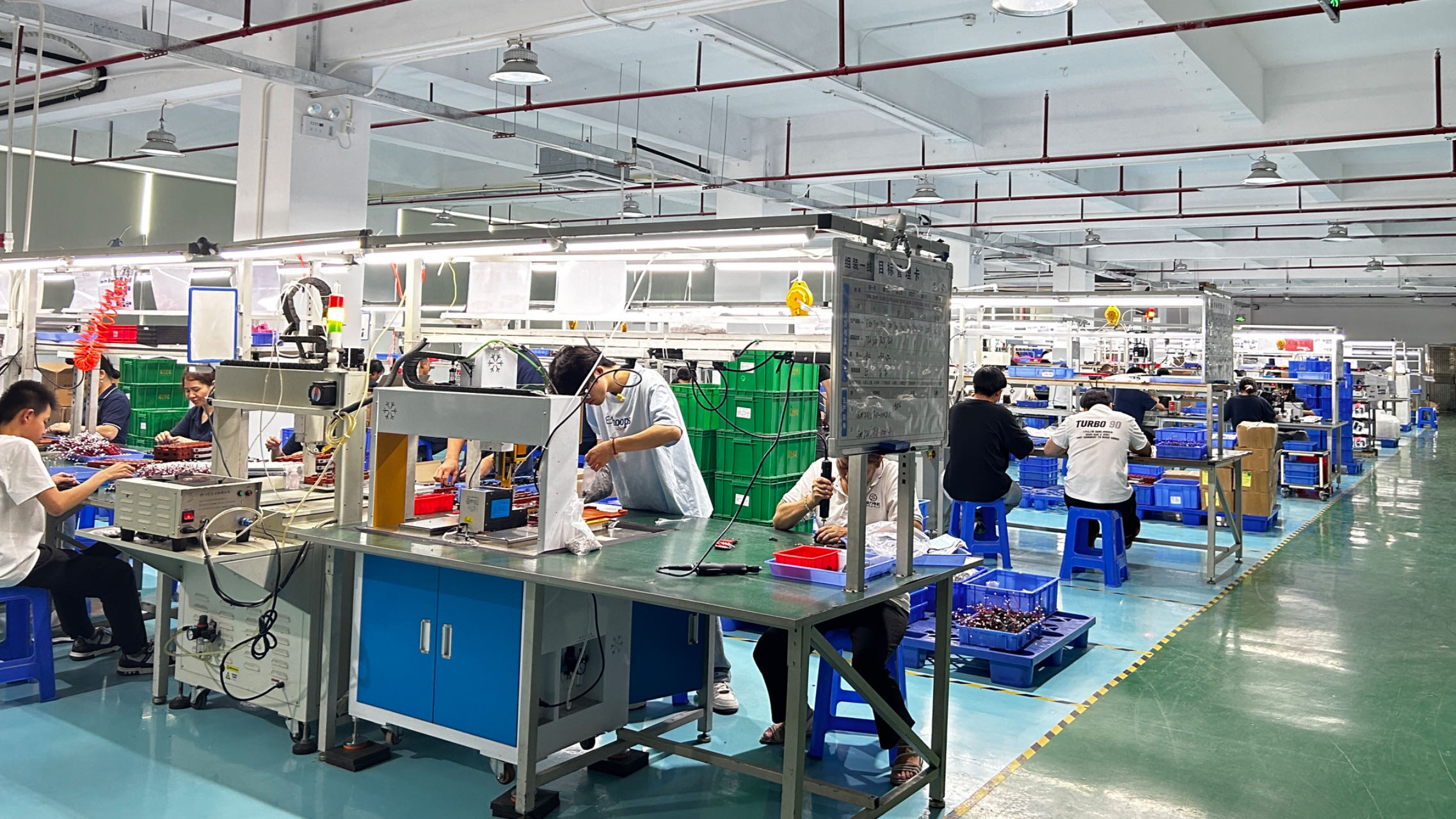
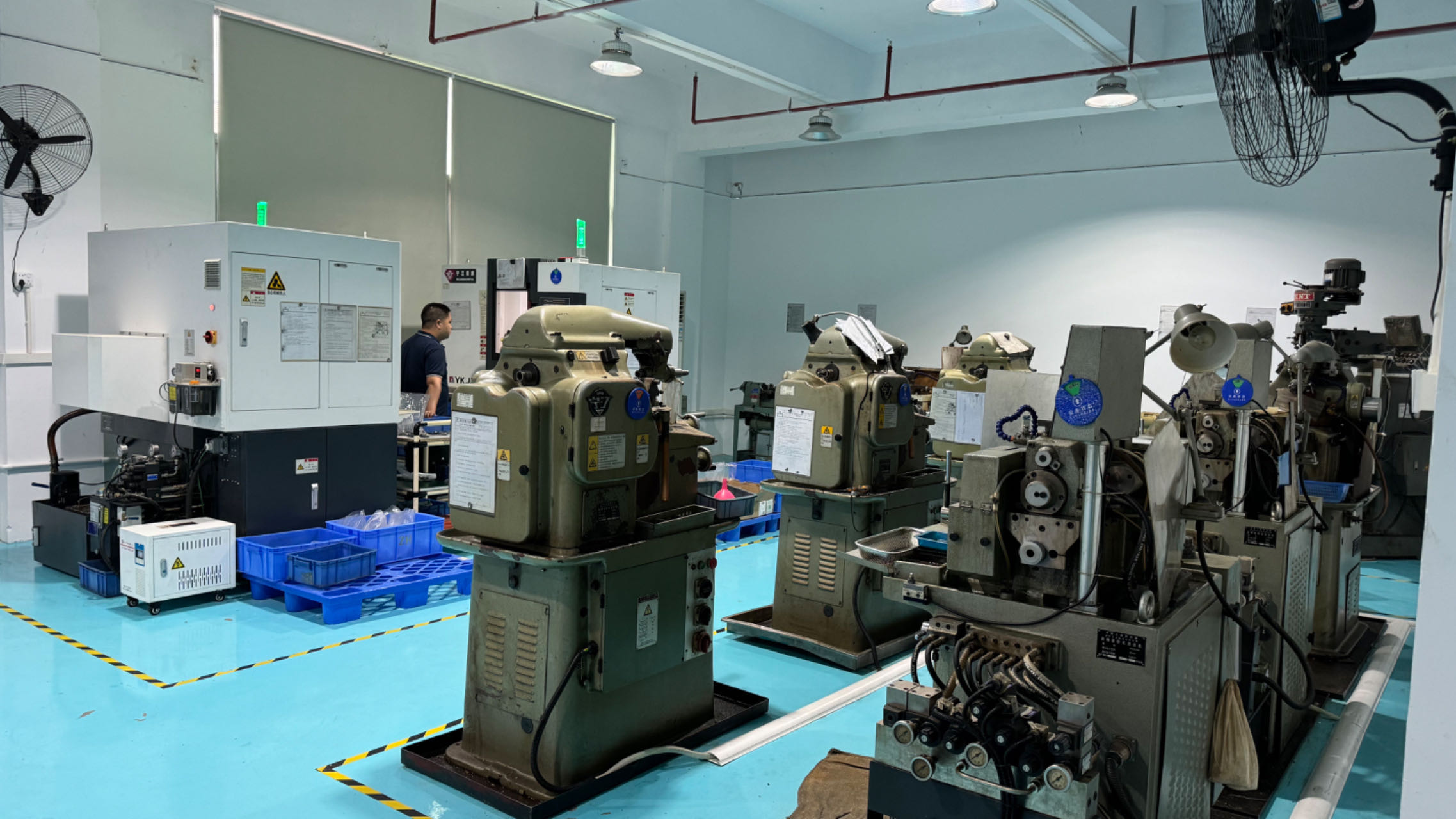
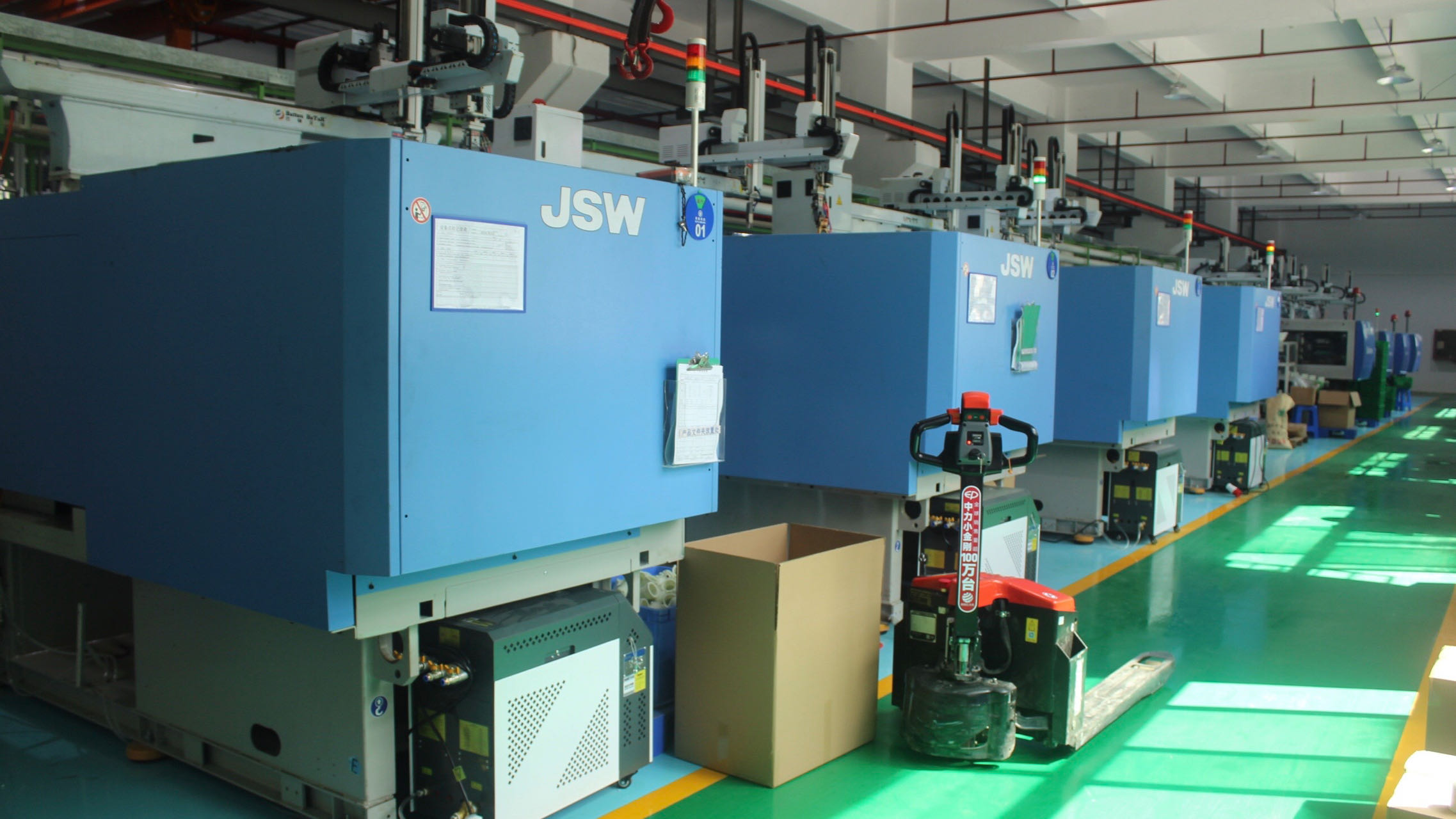
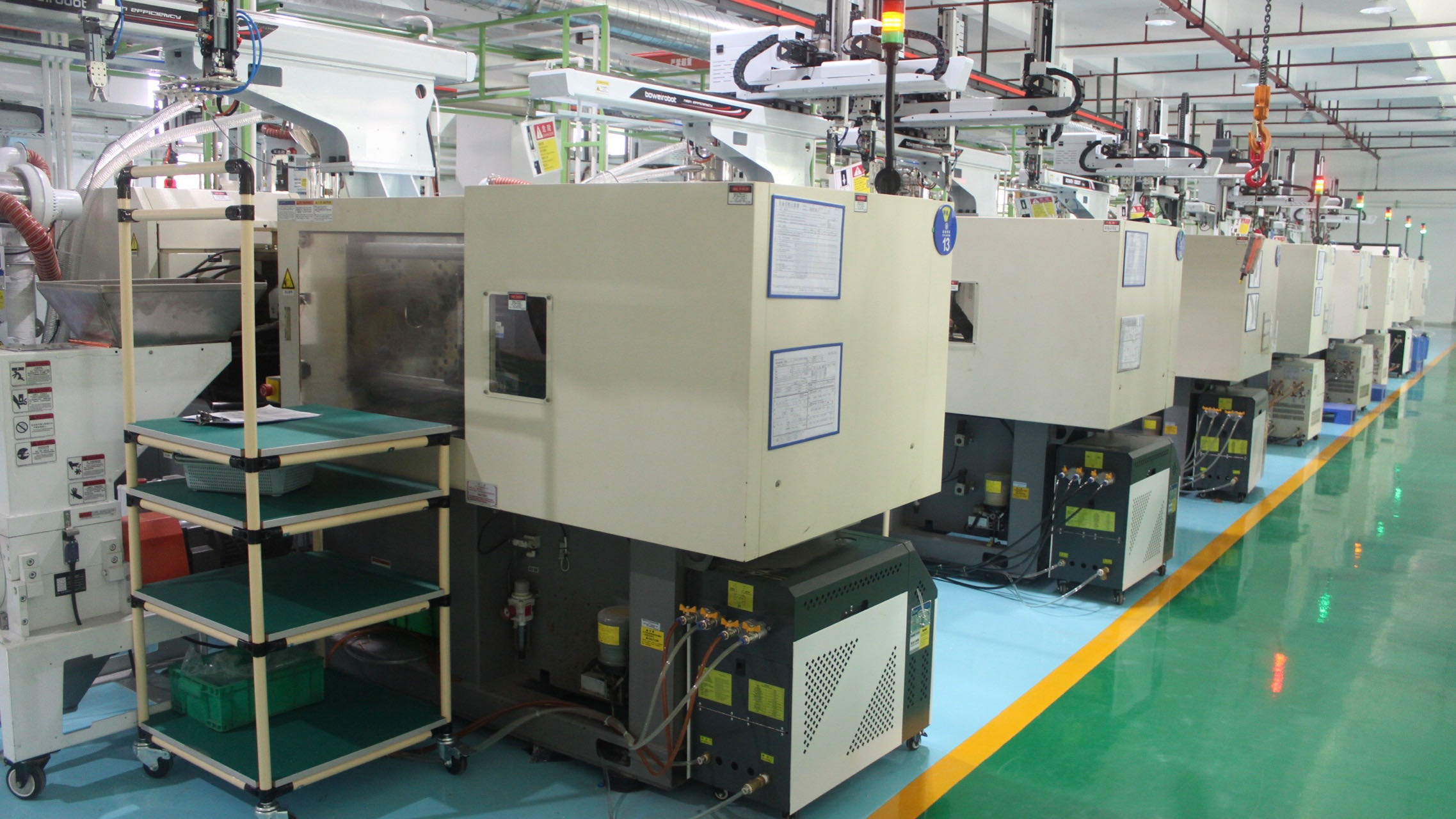
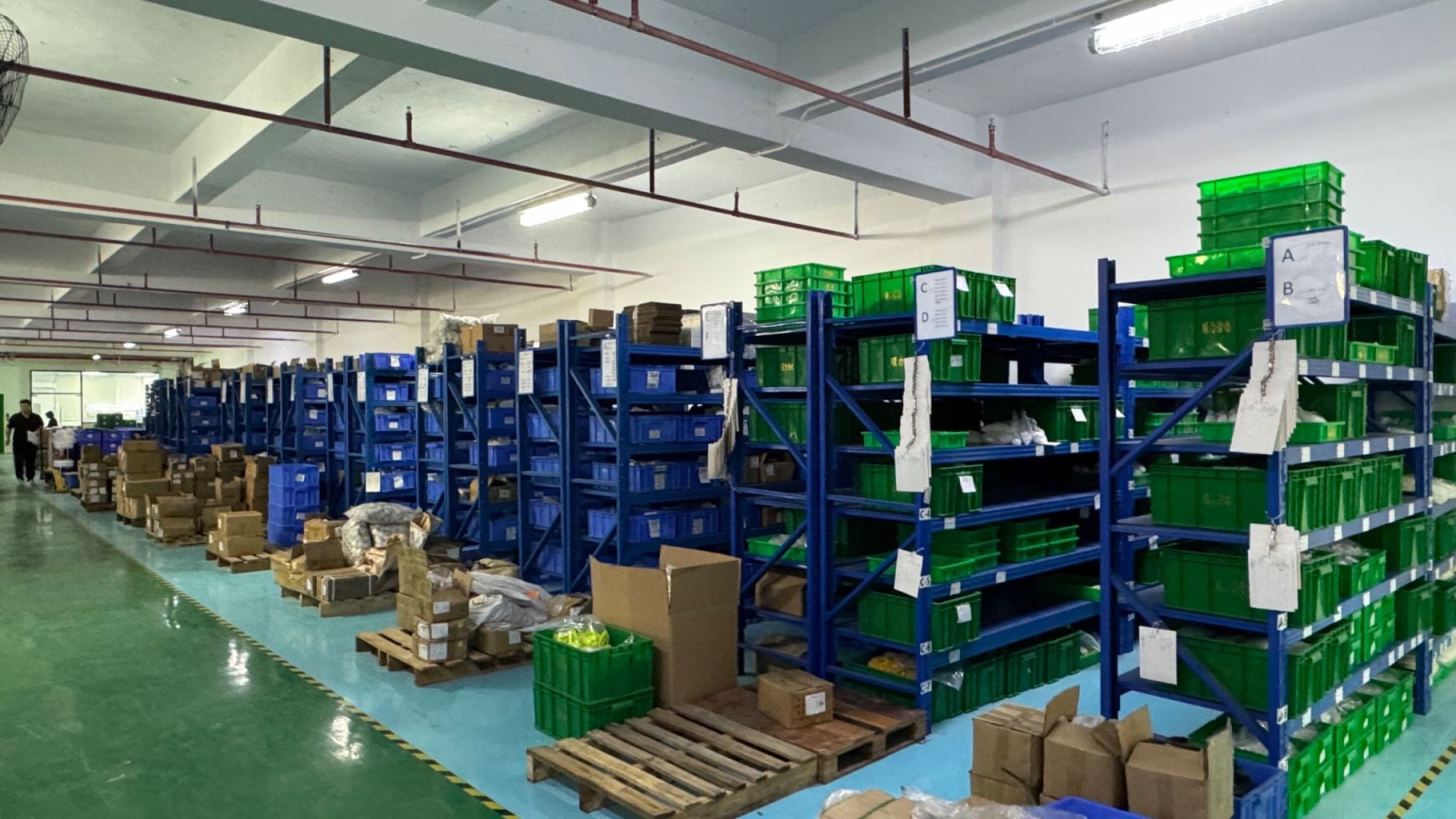
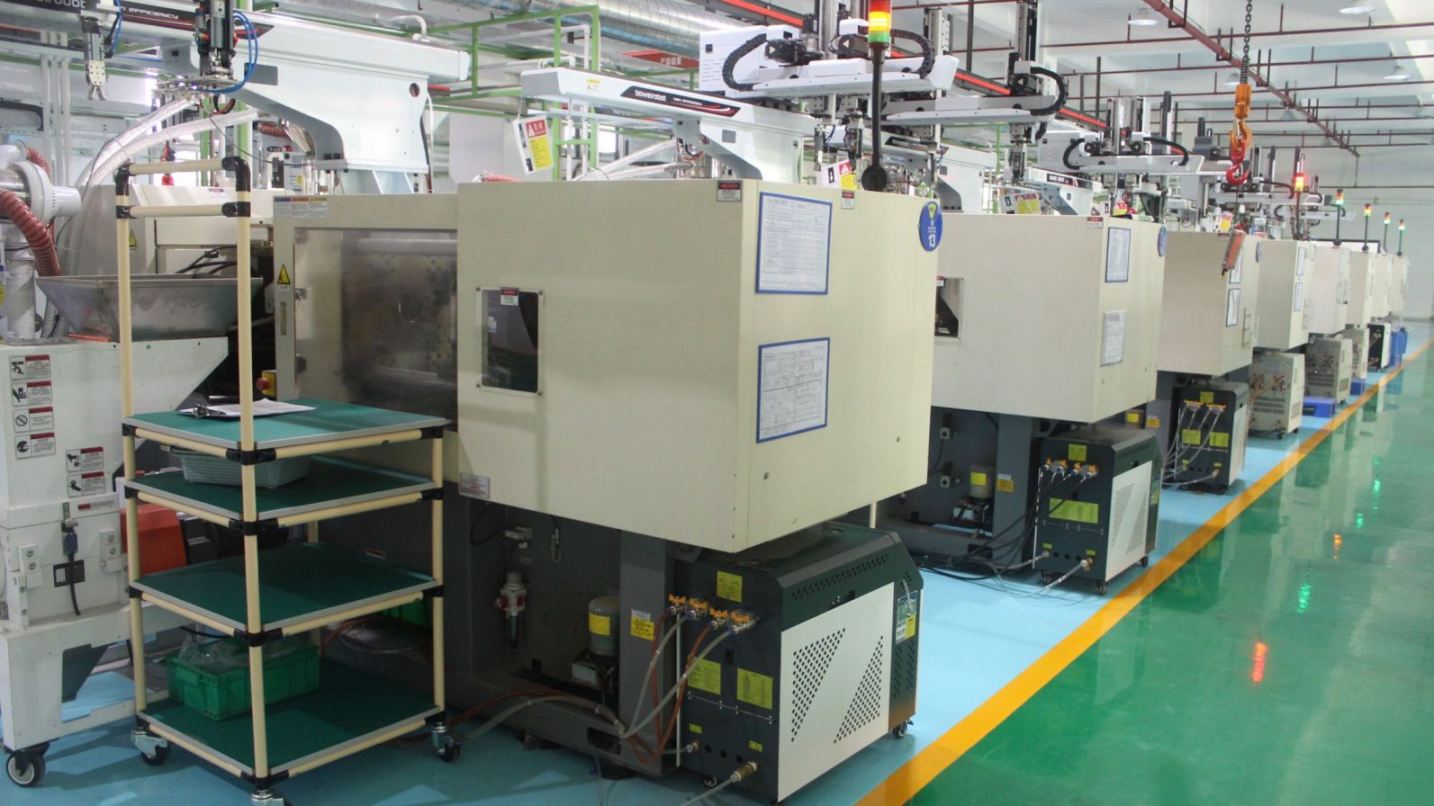
Figure 1: Valex Motor automated production floor, highlighting modern micro-motor assembly systems.
4. Valex Motor: Dedicated Micro Motor Engineering & Quality Control
The Valex Motor Manufacturing Standard
Valex Motor is a direct-from-source China manufacturer focused on producing high-precision, industrial-grade miniature motors. By managing production in-house, we eliminate intermediate agent markups, giving global OEMs direct control over their component supply chains.
Our Core Operational Priorities:
- 20+ Years of Manufacturing Integrity: We utilize mature, automated production lines to deliver repeatable batch consistency for high-volume orders.
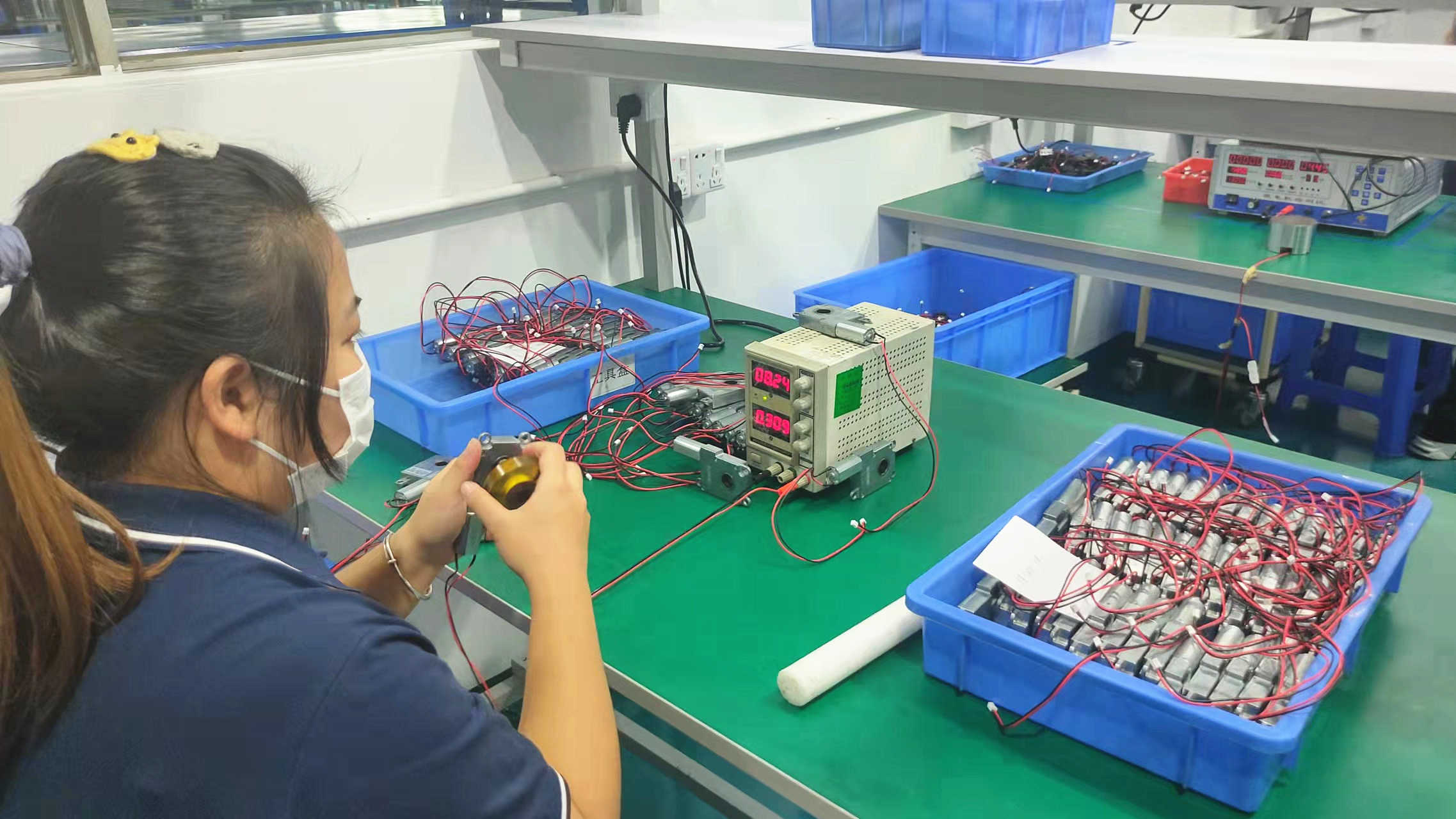
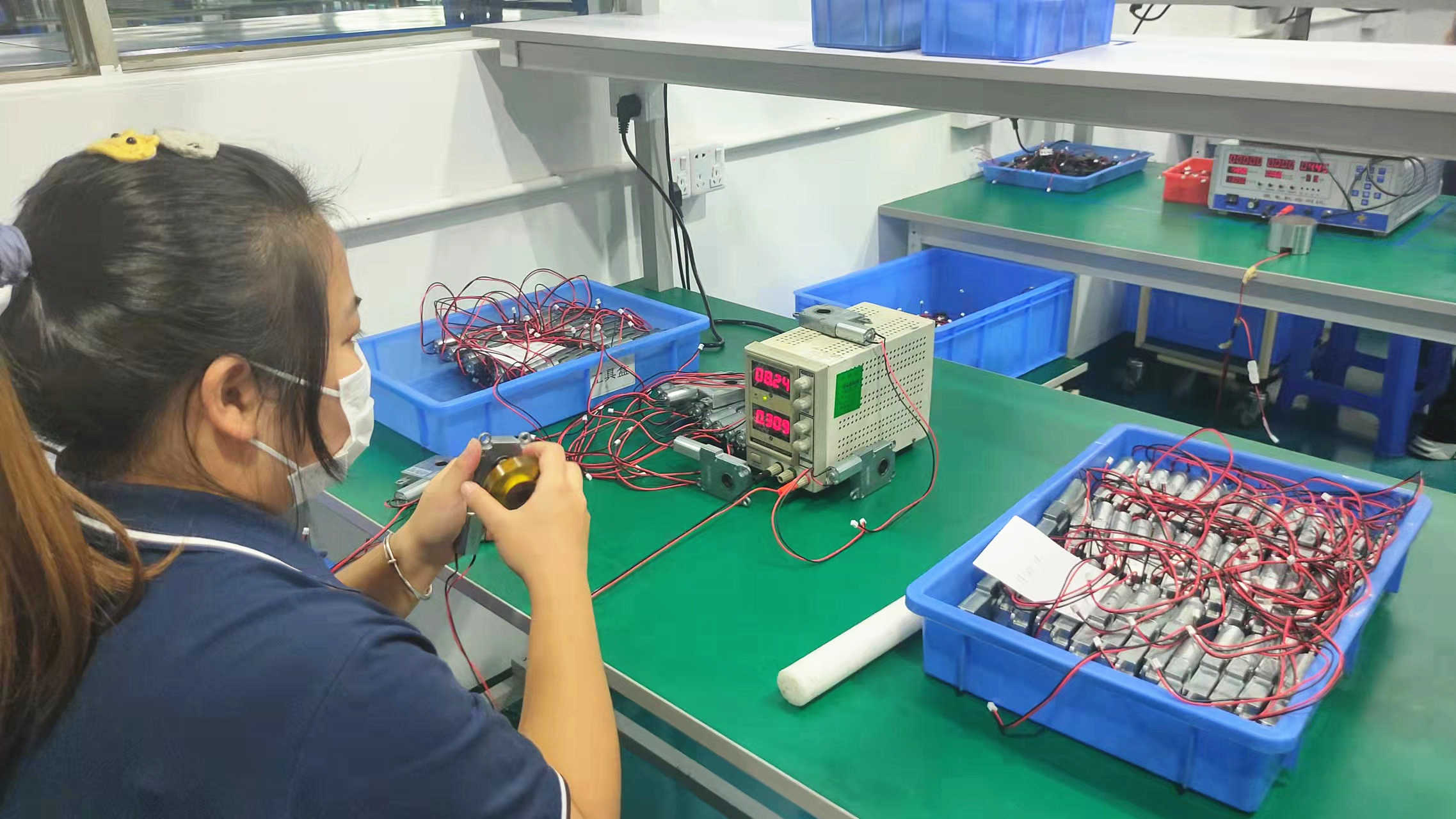
- 100% In-House Performance Testing: Every motor undergoes testing under load to verify torque, speed, and acoustic noise performance before dispatch.
- Rapid Custom Prototyping: We modify motor designs to meet specific client specifications, adjusting shafts, gearheads, wire harnesses, and encoder integrations.
- Global Standards Compliance: All motors are manufactured in compliance with international CE, RoHS, and REACH safety and environmental standards.
5. End-to-End Manufacturing Workflow
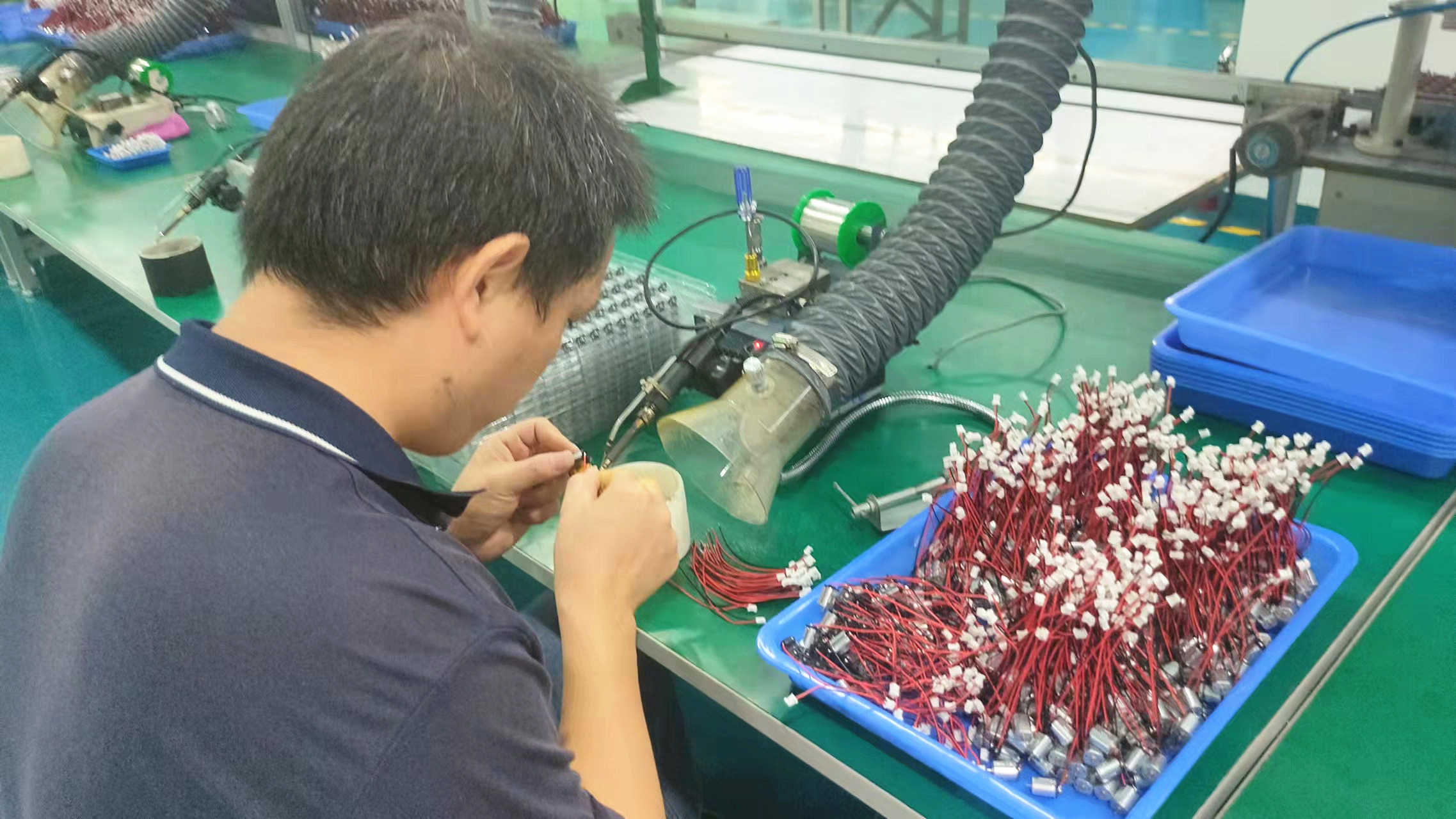
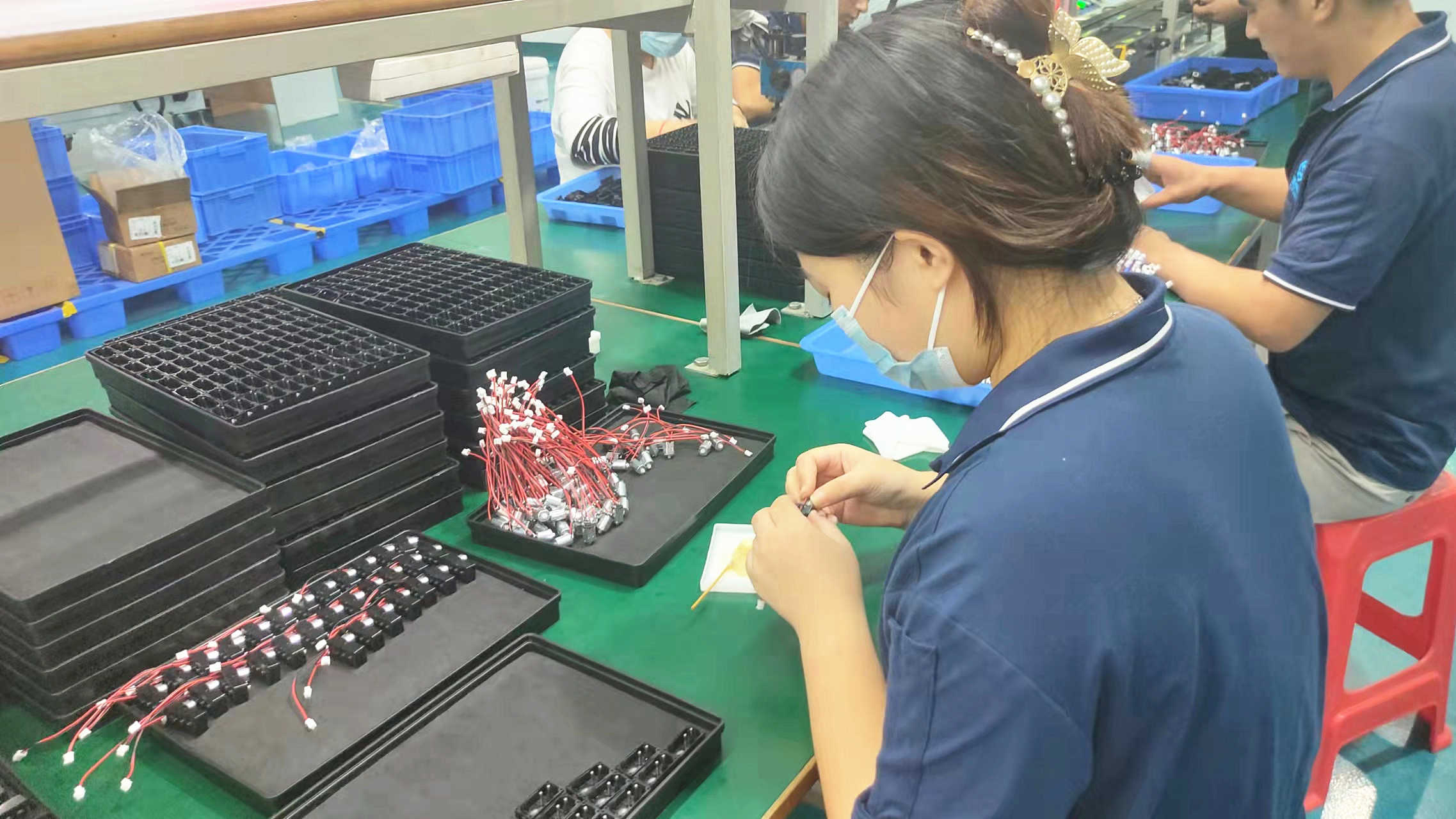
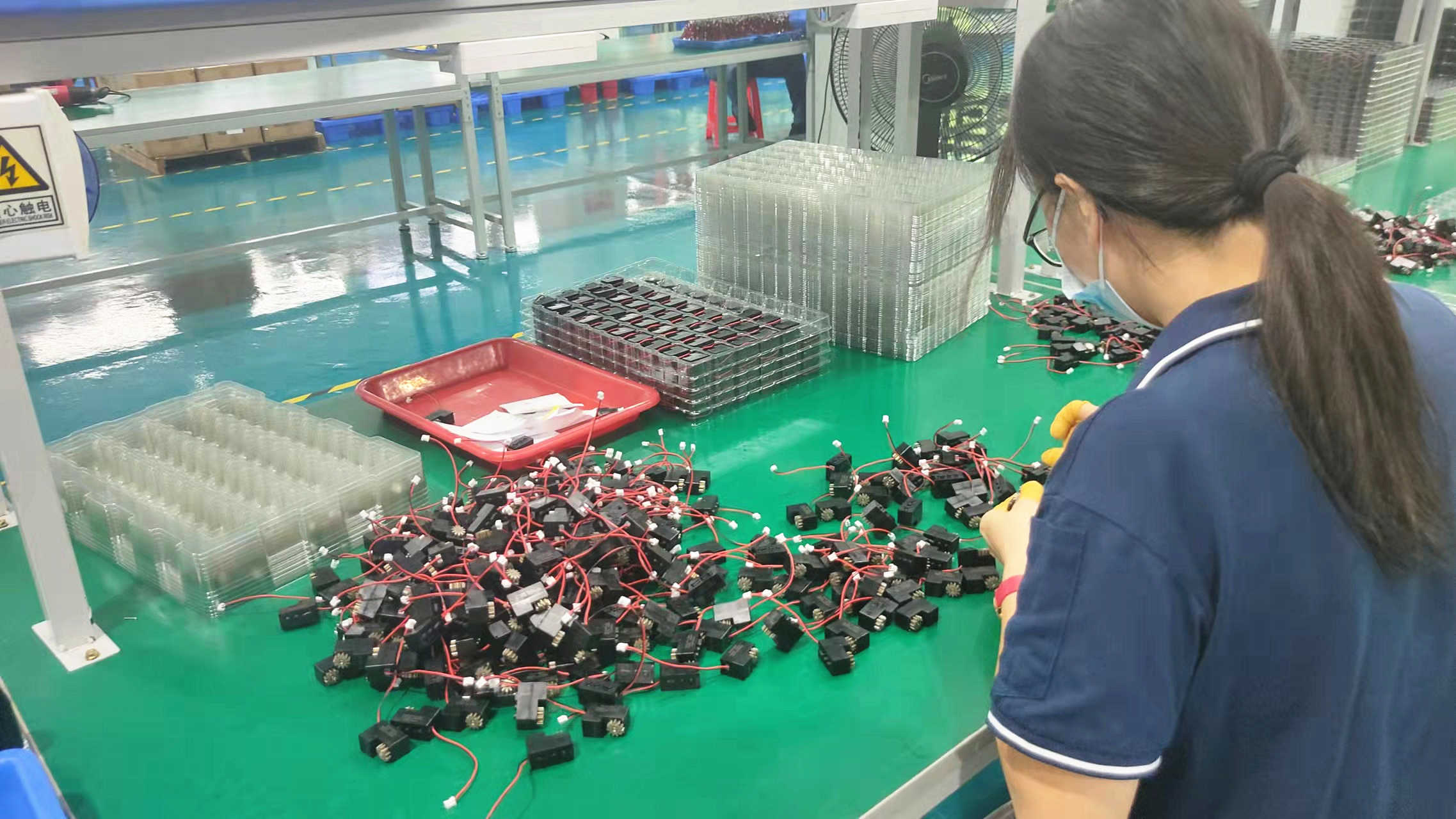
Consistent motor performance relies on a structured, step-by-step assembly process. Below is the workflow followed on our production line:

6. Machining Equipment and Quality Assurance Lab
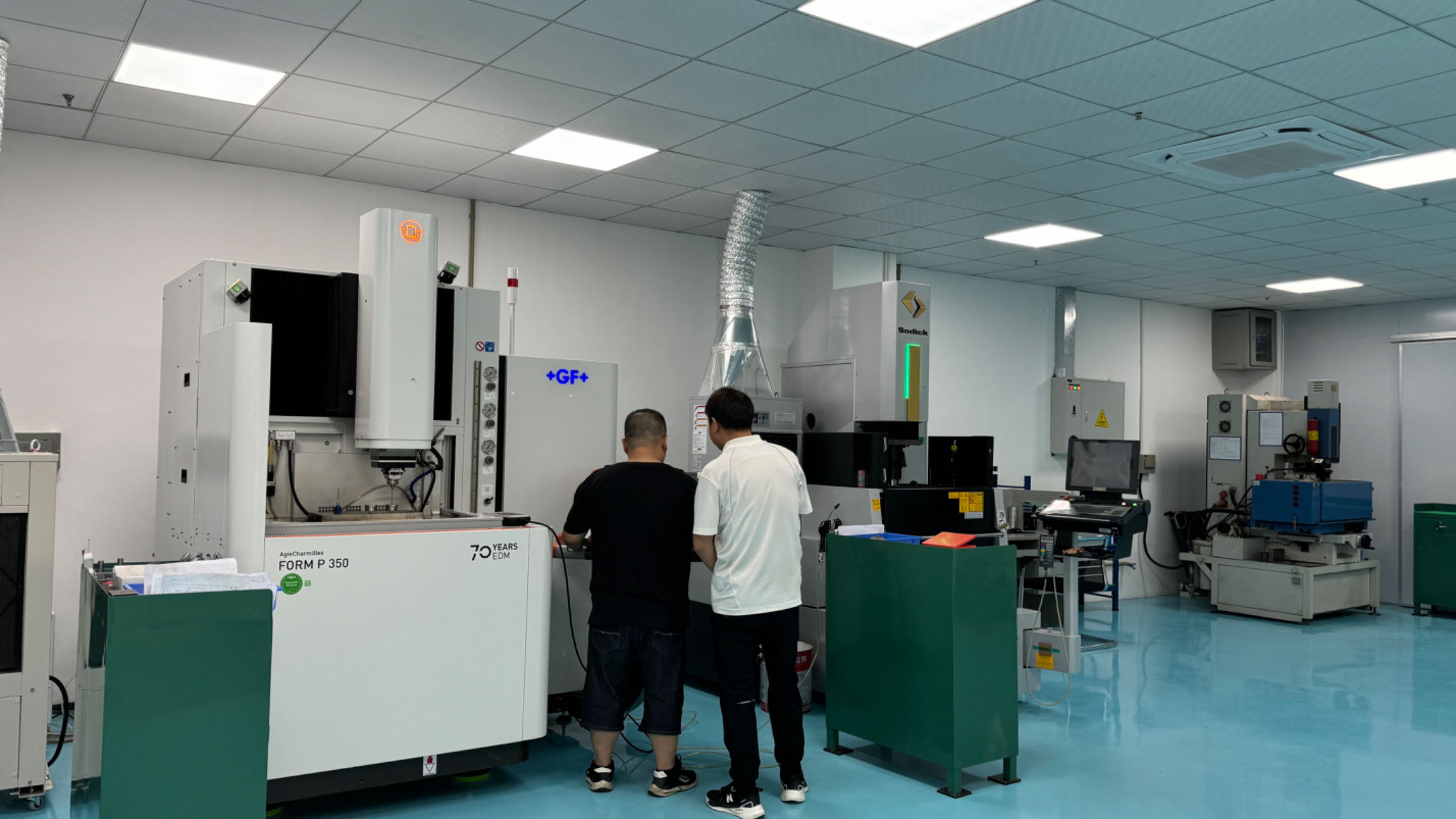
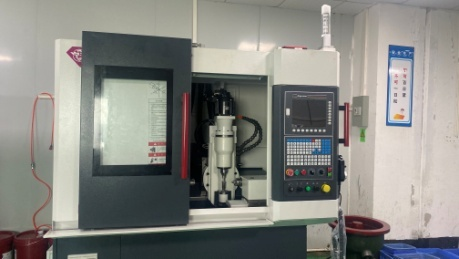
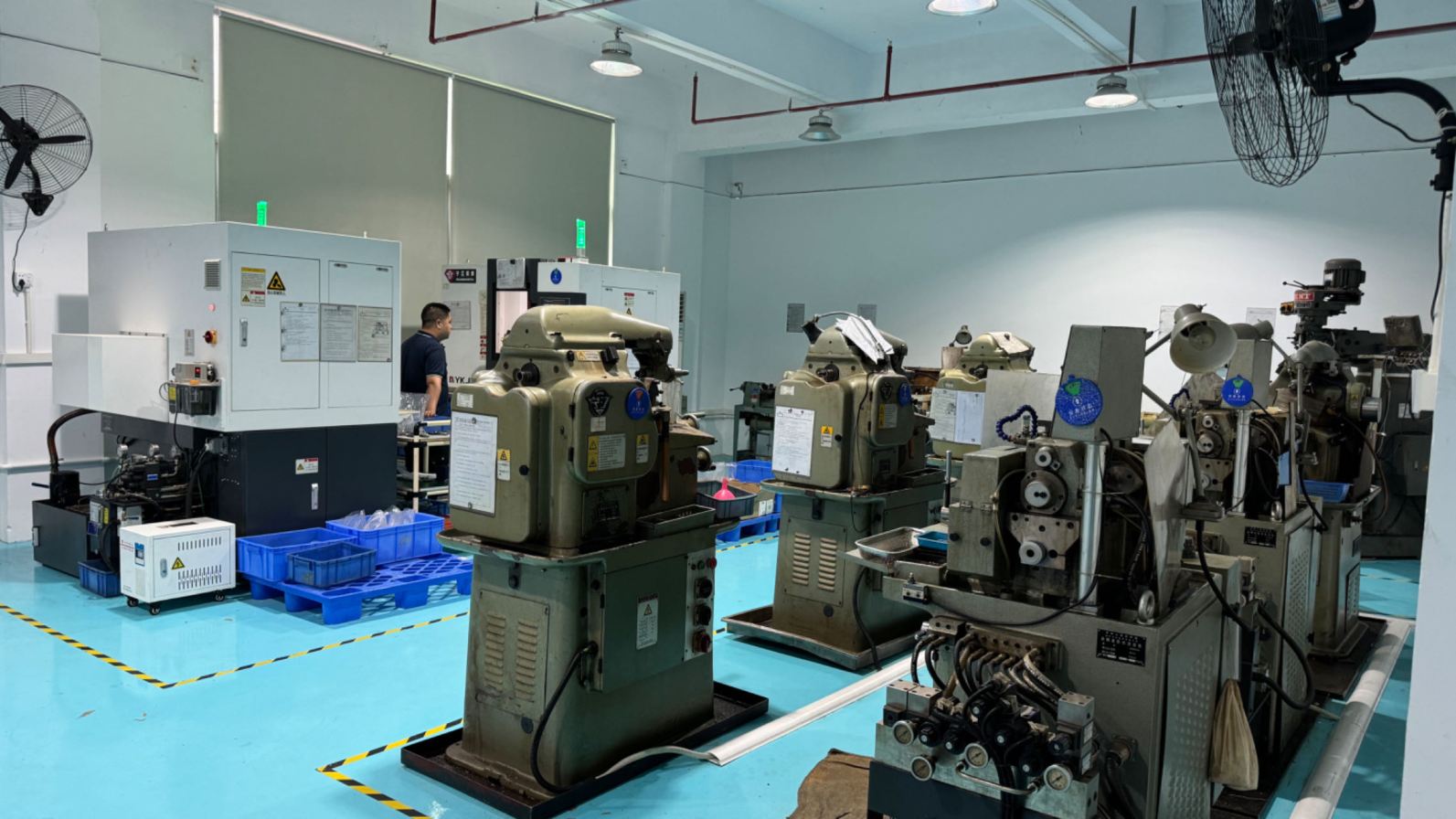
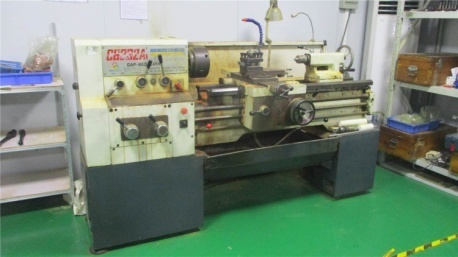
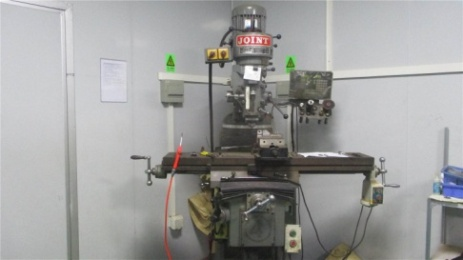
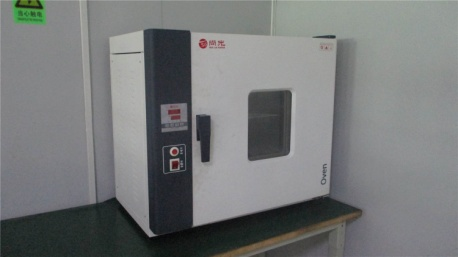
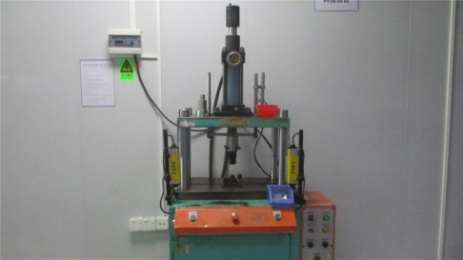
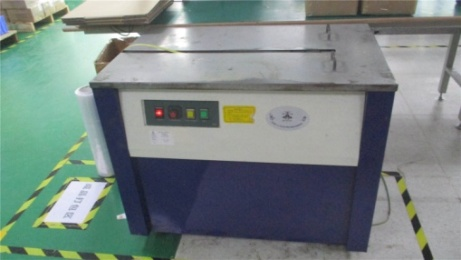
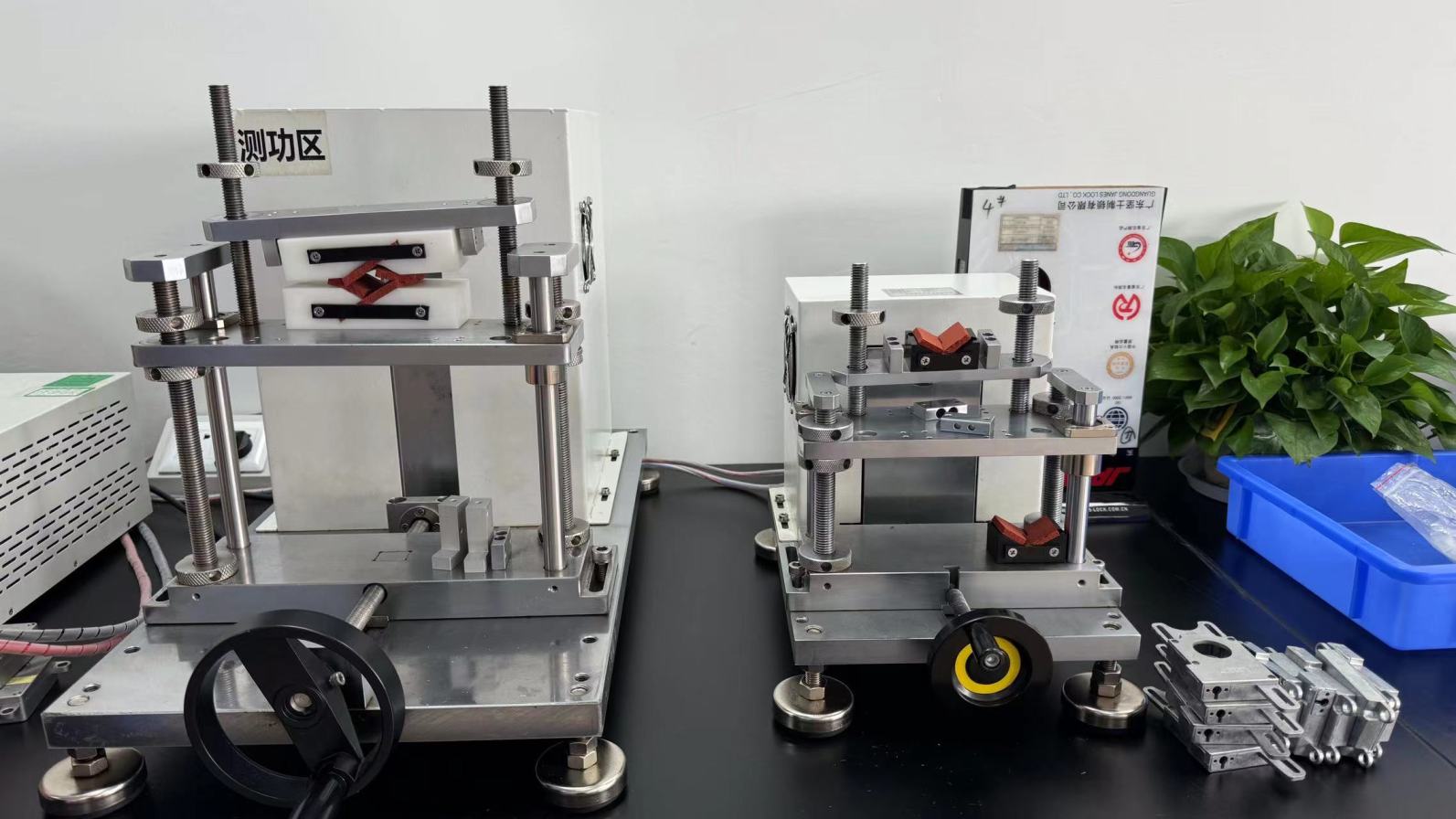
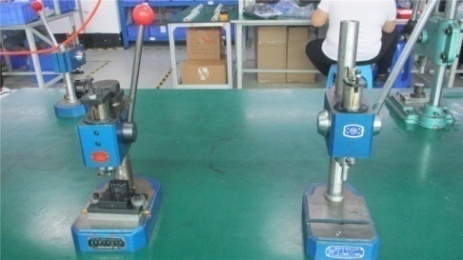
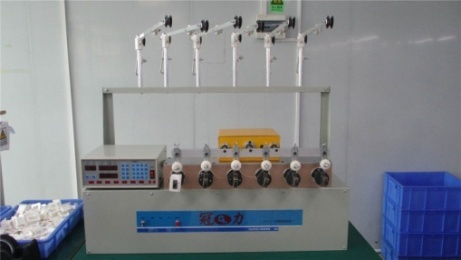
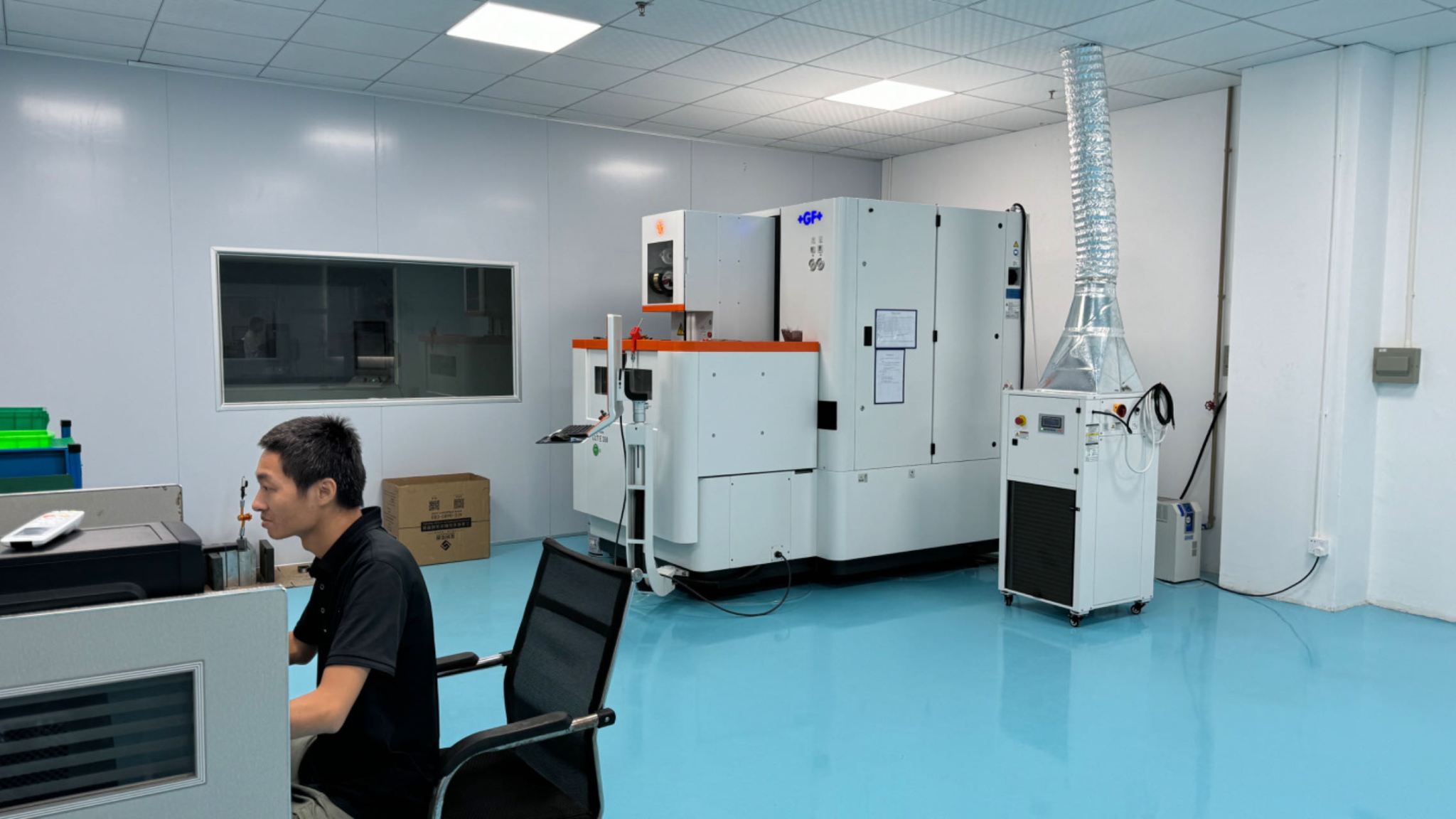
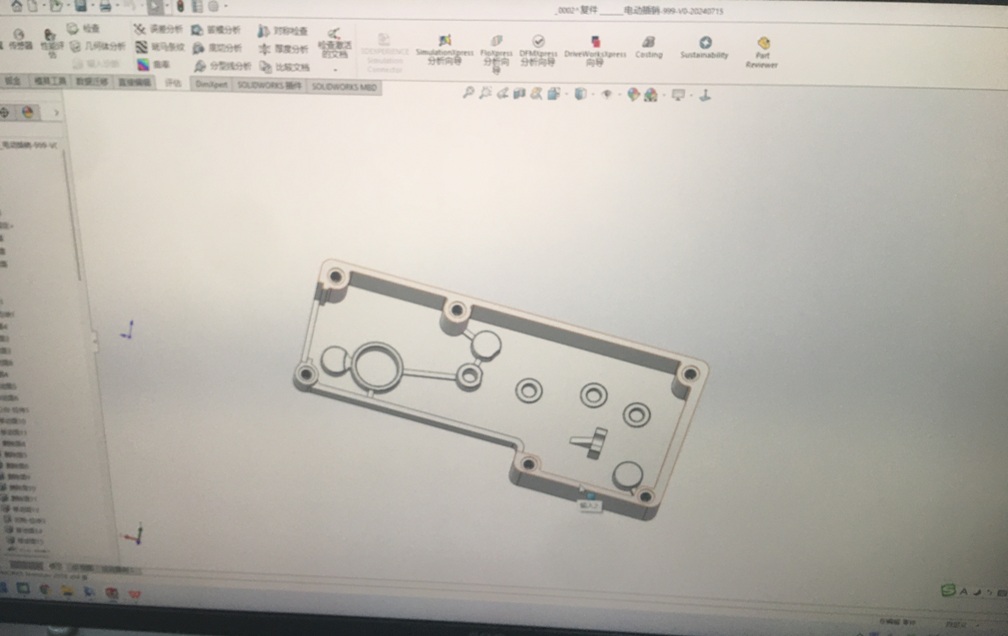
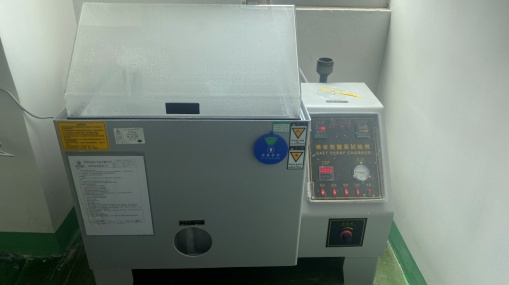
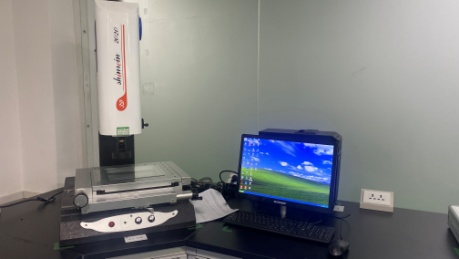
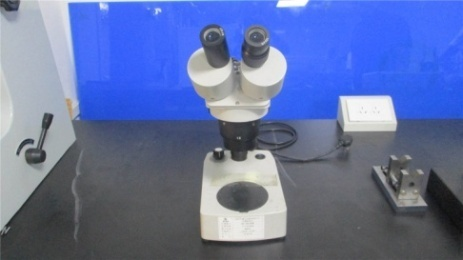
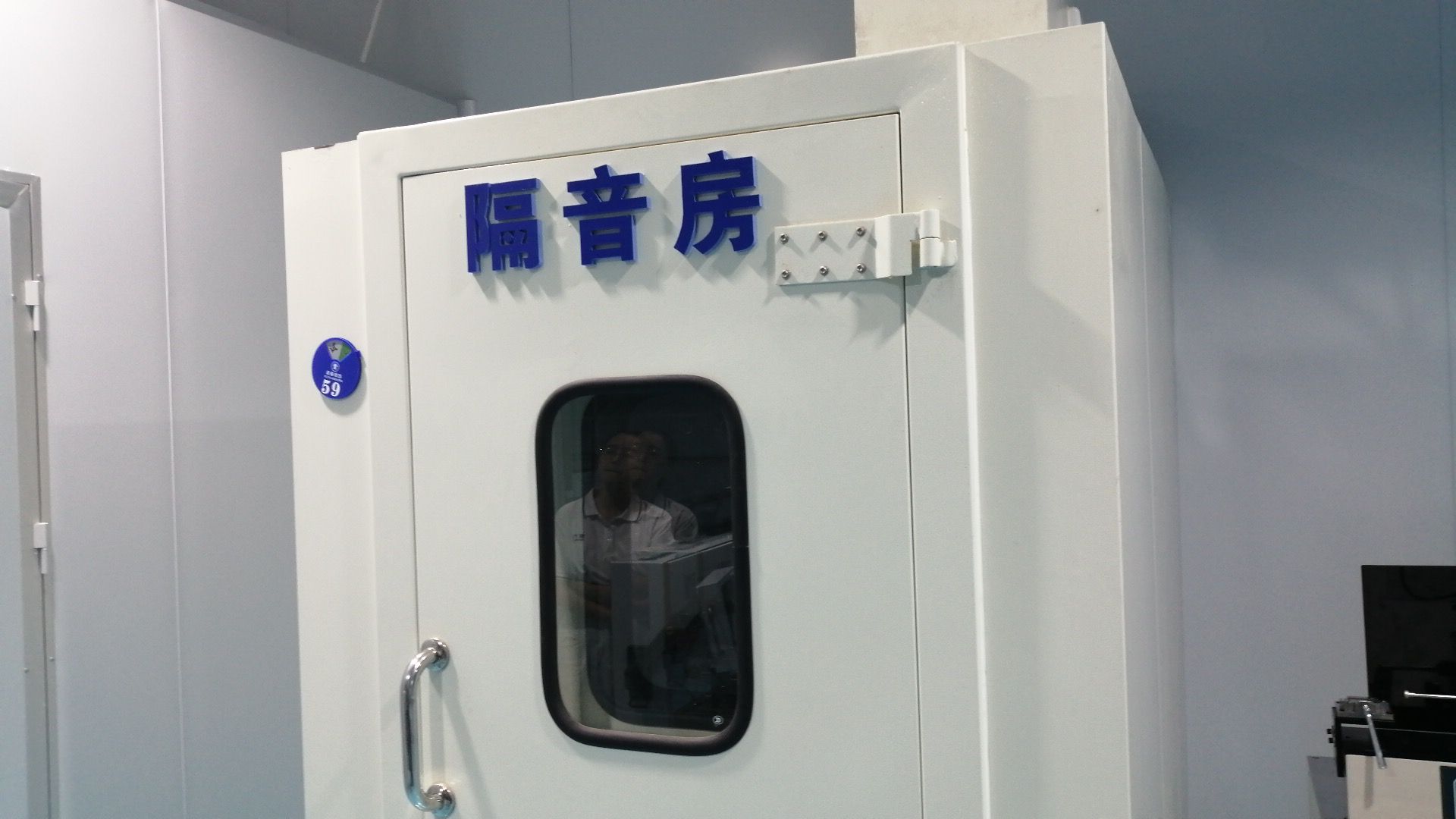
Manufacturing reliable micro motors requires specialized, high-precision tooling. We utilize dedicated machining equipment and comprehensive testing hardware to ensure parts meet tight tolerances:
High-Precision Machining Tools
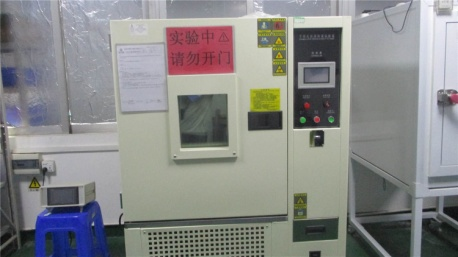
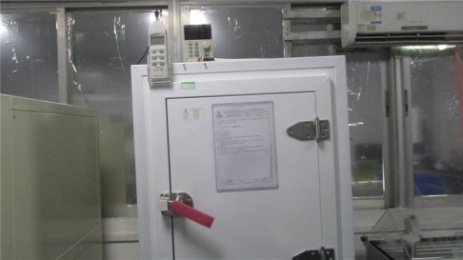
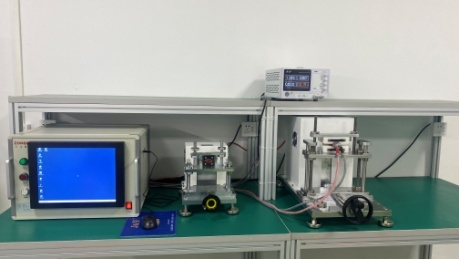
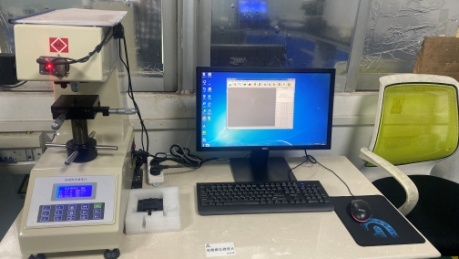
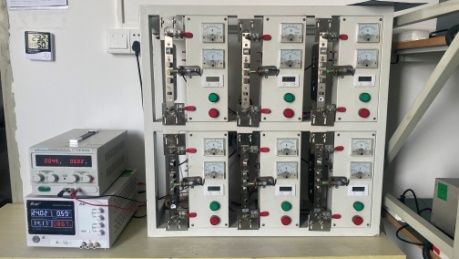
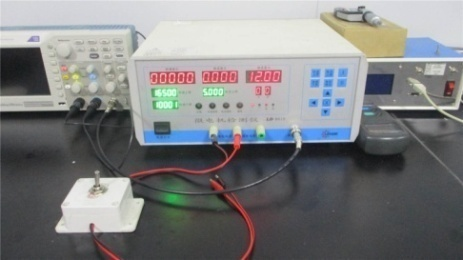
Quality Assurance & Diagnostic Infrastructure
To verify performance specs, our quality control lab operates key diagnostic testing equipment:
7. Global Sourcing Strategies: Key Quality Metrics for OEM/ODM Buyers
Sourcing industrial-grade motors requires looking beyond basic price comparisons. Procurement managers must evaluate several technical parameters to ensure long-term reliability and compatibility:
- Dynamic Balancing Grade (ISO 1940): High-speed BLDC motors (e.g., 20,000+ RPM) should meet the G2.5 balance rating. Poor balancing causes vibration, bearing wear, and acoustic noise.
- Copper Winding Fill Factor & Insulation Class: Higher-purity copper and a tight winding pattern improve thermal dissipation and efficiency. Ensure the motor's insulation class (typically Class B or F) fits your application's operating temperature range.
- Total Cost of Ownership (TCO): Selecting components with lower initial costs but higher failure rates increases long-term warranty and support expenses. Sourcing certified, pre-tested motors helps minimize field failures.
8. Global Market Trends & Technological Developments
The BLDC motor sector is evolving rapidly to meet new technical demands:
- Miniaturization: Automated medical devices and consumer electronics require motors under 12mm in diameter that still deliver high torque.
- Smart Drives and Integrated Controllers: Modern designs combine the motor and control electronics into a single housing, reducing electrical noise (EMI) and simplifying system integration.
- FOC (Field-Oriented Control): This control method provides smooth torque output, quiet operation, and high efficiency, particularly during speed transitions.
Frequently Asked Questions (FAQ)
Explore Our Complete Actuation & Gearbox Catalog
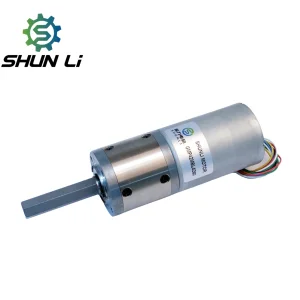
Shunli Design Custom Bl Dc Motor Micro 10V 20V 100rpm Dc Planetary Gear Motors High Torque Mini Electric Dc Motor
View Details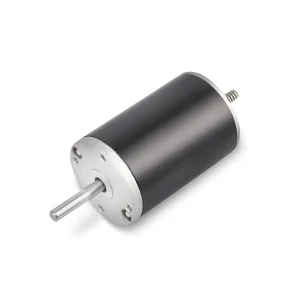
Electric Pmdc 12v Dc Motor 63ZYT High Torque Big Power 3000rpm Micro Motor Shunli Motor Permanent Magnet 48w IE 1
View Details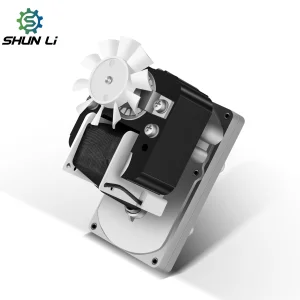
Shunli Motor 1.5RPM 4-5.5RPM 60RPM 100RPM 22N.m High Torque 100V-200V 220V 240V AC BBQ Gear Grill Shaded Pole Motor 50HZ/60HZ
View Details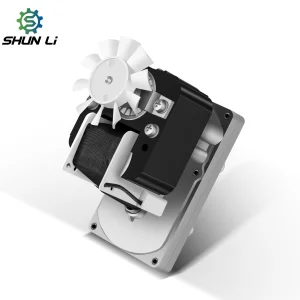
Special Offer Single-phase Ac Shaded Pole Gear Motor Suppliers China Shaded Pole Motor With Gear Head Yj61 Ac Gear
View Details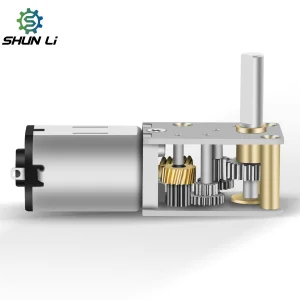
TWG1220-N20 N20 Mini Dc Worm Gear Motor 5v for 3D Printing Pen
View Details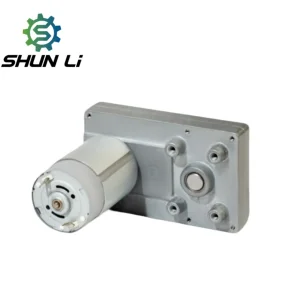
Square Gearbox 100mm with 555 Dc 12v 24v Encoder Gear Motor Electric Lawn Mower Motor
View Details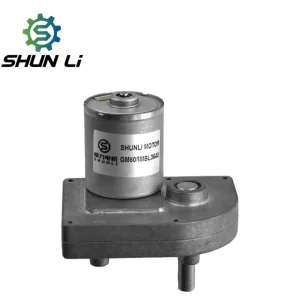
1 Rpm Worm Gear Dc Motor Reductor Dc 12v From Shenzhen Supplier
View Details