China Top 10 Precision Gear Motor Manufacturers?

Time:2026-09-26 Author:Sophia
0%

Choosing among China’s top 10 Precision Gear Motor manufacturers requires more than comparing catalog prices. A reliable evaluation examines torque stability, gearbox backlash, motor efficiency, noise, thermal performance, and production consistency. These details matter when a motor moves a robotic joint, medical pump, packaging arm, or miniature conveyor.

Joseph E. Shigley, a respected mechanical design authority, wrote, “The design of a machine element is a compromise between performance, cost, and reliability.” This principle remains useful for Precision Gear Motor selection. A compact motor may fit a tight assembly, yet its gearbox could generate excessive heat under continuous load. Another model may offer impressive torque, but its encoder feedback and service support may be limited.

Real evidence is essential. Look for load-test reports, dimensional drawings, ISO quality certifications, sample inspection records, and clear warranty terms. Ask manufacturers how they measure backlash, vibration, and operating temperature. Request actual data at your required voltage and duty cycle, not only ideal laboratory values.

This ranking should not be treated as permanent. Supplier capabilities change. Product lines evolve. Public information can also be incomplete. That is an uncomfortable limitation.

Still, the comparison can reveal meaningful differences. It can show which Chinese manufacturers support customization, maintain stable tolerances, and communicate technical details clearly. Buyers should verify every critical specification before ordering. A careful decision balances precision, durability, lead time, integration difficulty, and total ownership cost. Small details often decide success.
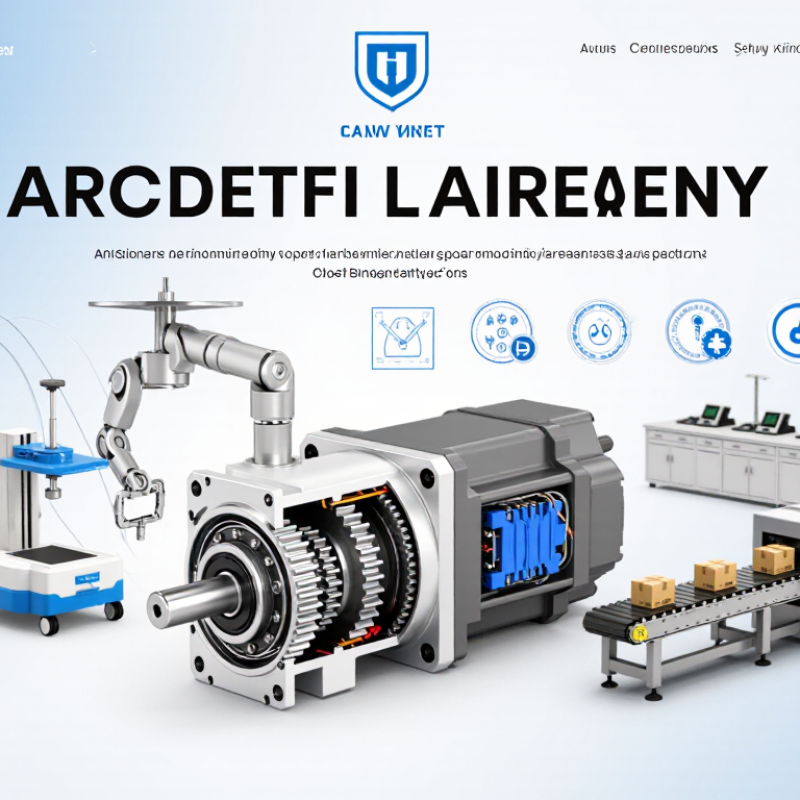
China Top 10 Precision Gear Motor Manufacturers?

Definition and Role of Precision Gear Motors

A precision gear motor combines an electric motor with a gearbox designed to deliver controlled speed and torque. The gear reduction slows the output while increasing usable torque. Precision also involves repeatable positioning, low backlash, and stable operation under specified loads. These traits depend on the complete assembly, not one impressive specification.

In a small robotic joint, for example, the motor may turn quickly while the output shaft moves slowly and predictably. This helps the joint place a component without overshooting. Similar motors serve inspection equipment, packaging machinery, and laboratory instruments, where movement must stay consistent across repeated cycles. Not just speed. Engineers also consider load, duty cycle, mounting space, heat, and noise. A motor selected only by its rated torque may struggle during frequent starts or sudden load changes.

“Precision” does not mean zero backlash or perfect accuracy in every condition. Gear wear, temperature, lubrication, and installation alignment can change performance over time. A practical specification should describe the required output speed, torque, positioning tolerance, and operating pattern. It is easy to overlook the controller, too; motor and gearbox performance cannot compensate for poor feedback or tuning. Small details matter, and sizing still involves trade-offs.

Key Standards for Evaluating Chinese Manufacturers

Evaluating a precision gear motor manufacturer starts with evidence, not catalog claims. Ask for rated torque, speed range, backlash, efficiency, and noise data. Check how each value was measured. A test result without operating conditions can be misleading. Numbers matter.

Quality systems deserve close attention. Review the scope and validity of any ISO 9001 certification, then ask how inspection records link to production batches. For motors, request applicable IEC or Chinese GB standards and test reports. A certificate alone does not prove that a gearbox will meet your application’s duty cycle. Look closer.

Practical checks reveal more. Ask whether gears are inspected after heat treatment, and whether temperature rise is tested during continuous operation. Compare sample units with drawings, including shaft dimensions and mounting-hole positions. A small mismatch can complicate assembly. Check material traceability, lead times, warranty terms, and how quickly technical staff answer a detailed question. If possible, visit the factory or arrange an independent audit. No checklist is perfect; sample testing can still miss variation across later batches. That limitation deserves attention.

China’s Top 10 Precision Gear Motor Manufacturers

China’s Top 10 Precision Gear Motor Manufacturers are best compared by engineering capability, not catalog size alone. A serious supplier should explain rated torque, backlash, efficiency, thermal limits, and expected service life. Ask for test data at the operating speed and load you actually need. Numbers without test conditions can mislead.

Look closely at the production details. Precision gear motors may combine compact gearboxes with servo, stepper, or brushless motors. Housing alignment, gear material, lubrication, and bearing quality all affect noise and repeatability. Request dimensional drawings and confirm whether mounting, shaft, and connector options match your equipment. Small mismatches matter.

Factory audits, sample testing, and documented quality procedures can help distinguish experienced manufacturers from traders. Check how suppliers handle inspection records, lead times, spare parts, and engineering changes. A sample that runs quietly is useful, but it does not prove long-term durability. That is easy to overlook. Compare several candidates under the same test conditions, and ask direct questions when specifications seem unusually broad. Even a careful shortlist has limits; published ratings may not reflect your real operating cycle.

Product Categories and Industry Applications

Precision gear motor suppliers in China serve varied needs, so product categories matter more than a simple ranking. Common options include spur, helical, planetary, and worm gear motors. Spur units suit straightforward, cost-conscious drives. Helical designs often run more smoothly under steady loads. Planetary models offer compact torque for limited installation space. Worm gear motors can provide high reduction in a compact layout, though efficiency and heat need careful review.

Applications shape the choice. Packaging lines often use geared motors to control conveyor speed and product spacing. Automated guided equipment may need compact planetary units with accurate speed control. Mixers, gates, and lifting mechanisms can call for robust low-speed output. Small details matter. Check rated torque, duty cycle, output speed, mounting position, voltage, and the actual ambient temperature—not just the headline power rating. A motor sized for intermittent operation may overheat during a long production shift.

When comparing manufacturers, ask for drawings, test data, and clear explanations of service conditions. Confirm whether the listed performance includes the gearbox and any controller. Noise, backlash, and lubrication intervals can affect real-world results. Catalog figures are useful, but they do not replace a trial under representative load. This part is easy to overlook, and even experienced buyers may need to revisit their assumptions.

Precision Gear Motor Types: Typical Applications

How to read this chart: Bars count representative application examples listed for each gear motor type. They do not show manufacturer rankings, market share, or sales figures. Actual suitability depends on the motor, gear ratio, load, duty cycle, and operating environment.

Typical examples: Planetary—robotics, mobile equipment, packaging, material handling; Helical—conveyors, packaging, food processing, material handling; Worm—lifts and doors, conveyors, mixers, packaging; Bevel-helical—conveyors, material handling, food processing; Spur—packaging, small conveyors, automation; Cycloidal—robotics, material handling, mixers.

How to Select a Suitable Chinese Manufacturer

Choosing a Chinese precision gear motor manufacturer begins with a clear duty profile, not a price comparison. Specify output torque, gear ratio, operating hours, voltage, mounting space, and acceptable backlash. Include the load’s start-stop pattern; a motor that works on a bench may overheat in a compact enclosure. Small details matter.

Ask how each unit is tested. Request sample test records for noise, temperature rise, speed, and torque, then compare a production sample with your drawing. Check whether the supplier can explain material choices, machining tolerances, assembly controls, and batch traceability. A polished catalog is not proof. Look for consistent answers from engineering and sales, and clarify who handles design changes. If possible, inspect the production floor or arrange a live video walkthrough. Check the calibration status of measuring equipment, too.

A useful supplier should question unclear requirements rather than simply confirm every specification. Request a written quotation that identifies the motor configuration, test scope, packaging, lead time, and spare-part availability. Compare these details across several manufacturers. A low quote can hide an unspecified test or a longer delivery window. I would still leave room for doubt: sample performance does not guarantee every production batch. Set acceptance criteria before ordering, and agree on how deviations will be documented and addressed.

FAQS

What should I compare when choosing a precision gear motor manufacturer?

Compare engineering capability, test data, quality procedures, lead times, and spare-part availability. Catalog size alone tells you little.

Which motor specifications should I provide?

Share torque, gear ratio, voltage, operating hours, mounting space, and acceptable backlash. Include the load’s start-stop pattern.

What test records should I request?

Ask for noise, temperature-rise, speed, and torque results. Check that tests use your intended speed and load.

Why should I review drawings and dimensions?

Confirm mounting points, shaft dimensions, and connector options match your equipment. Small mismatches matter.

Does a quiet sample prove long-term durability?

No. A quiet sample is useful, but it does not establish service life or consistent production quality.

How can I assess a supplier’s production controls?

Ask about inspection records, material choices, machining tolerances, assembly controls, and batch traceability. A polished catalog is not proof.

What should a written quotation include?

It should identify the motor configuration, testing scope, packaging, lead time, and spare-part availability. That can prevent surprises.

How should I compare samples from different manufacturers?

Use the same test conditions and compare each production sample with your drawing. I’d still leave room for doubt.

What should we agree on before placing an order?

Set acceptance criteria and document how deviations will be handled. Published ratings may not match your actual operating cycle.

Conclusion

This article explains what a Precision Gear Motor is and how its motor-and-gearbox design delivers controlled speed, torque, and motion for demanding equipment. It outlines practical standards for evaluating Chinese manufacturers, including product quality, engineering capability, customization options, production consistency, testing procedures, and customer support. Using these criteria, the article introduces ten manufacturers as examples for comparison, without treating any single supplier as the right choice for every application.

It also reviews common product categories and their uses in fields such as robotics, automation, packaging, medical equipment, and precision machinery. To select a suitable manufacturer, buyers should define the required torque, speed, accuracy, operating conditions, service life, and budget, then compare technical documentation, sample performance, lead times, and after-sales support. A clear understanding of both application needs and supplier capabilities can help businesses make a more informed sourcing decision.

Sophia

Sophia

Sophia is a dedicated marketing professional with an exceptional depth of knowledge about her company's products and services. With a keen understanding of market trends and customer needs, she crafts insightful blog posts that not only inform but also engage readers, enriching the company’s online......