Valex Motor
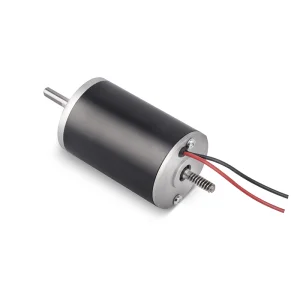
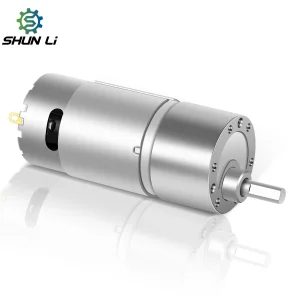
Featured Precision Drives & Micro Motors
Engineered for accuracy, high-torque configurations, and reliable system operations across international OEMs.
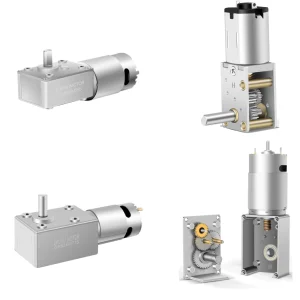
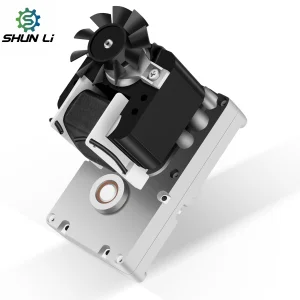
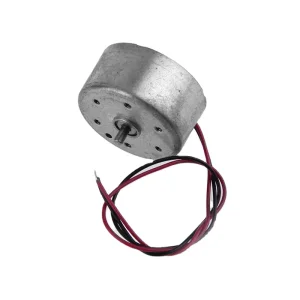
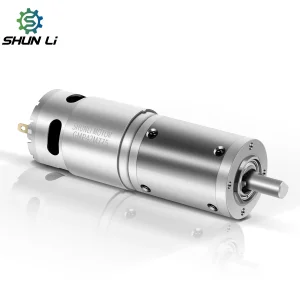
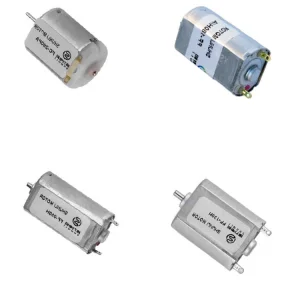
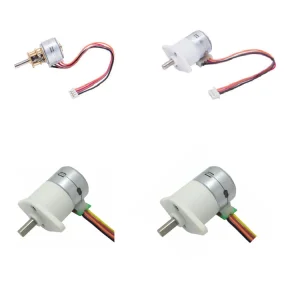
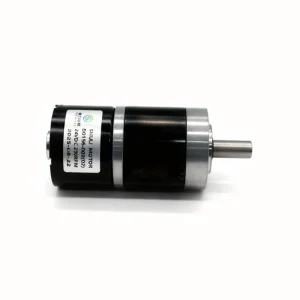
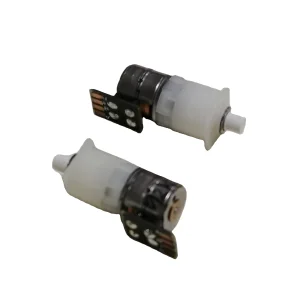
Valex Motor: Industrial-Grade Drive Solutions Built for Unyielding Reliability
Finding a transparent, direct-from-source factory to protect your critical motor supply chains is a common hurdle for global engineers. Valex Motor solves this. We deliver world-class precision drives, geared configurations, and fractional-horsepower assemblies directly from our specialized manufacturing floors under a strict zero-defect quality regime.
By removing intermediary distributors, we enable direct feedback loops between your R&D department and our tooling engineers, ensuring rapid translation of blueprints into physically validated samples.
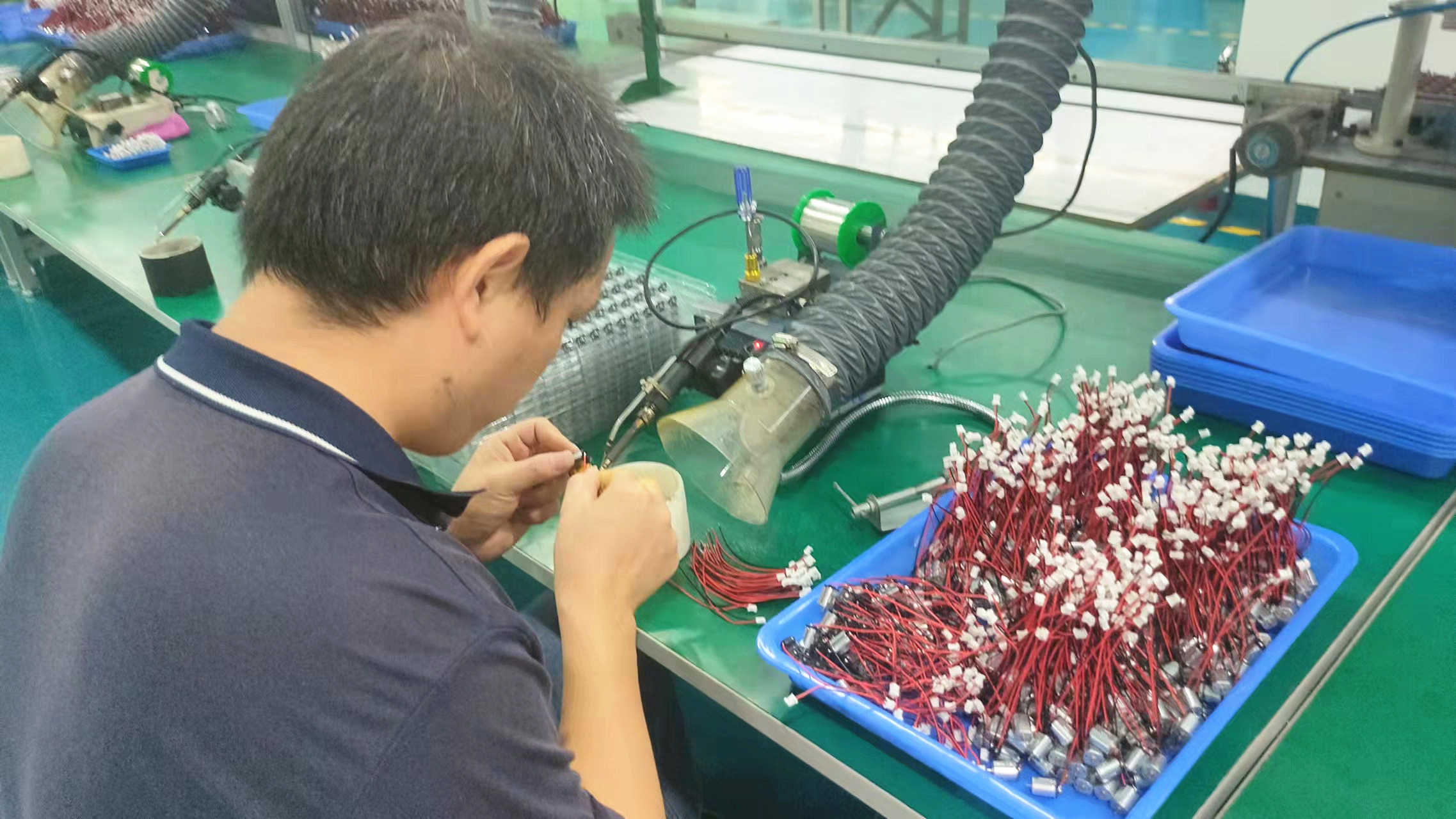
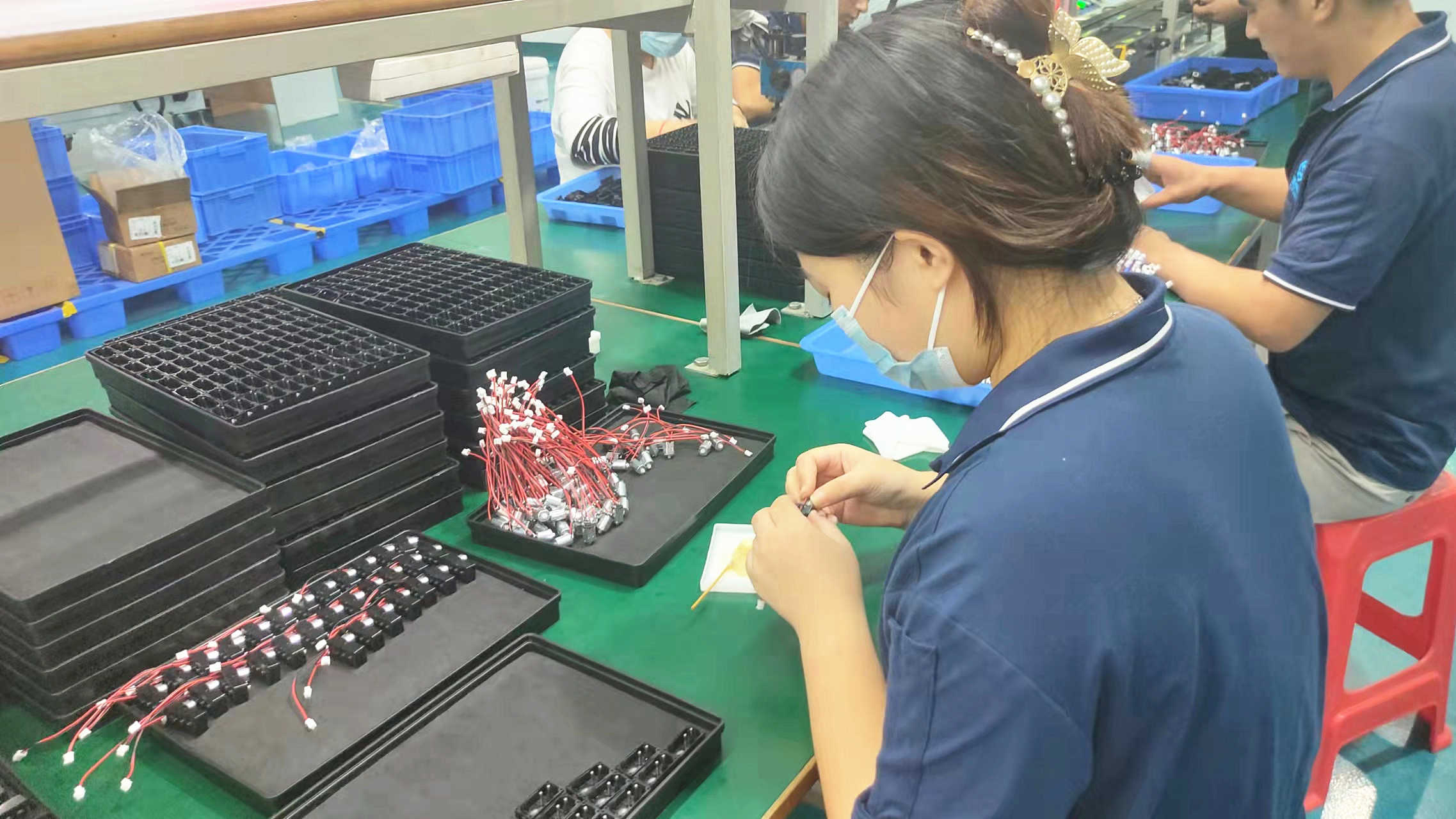
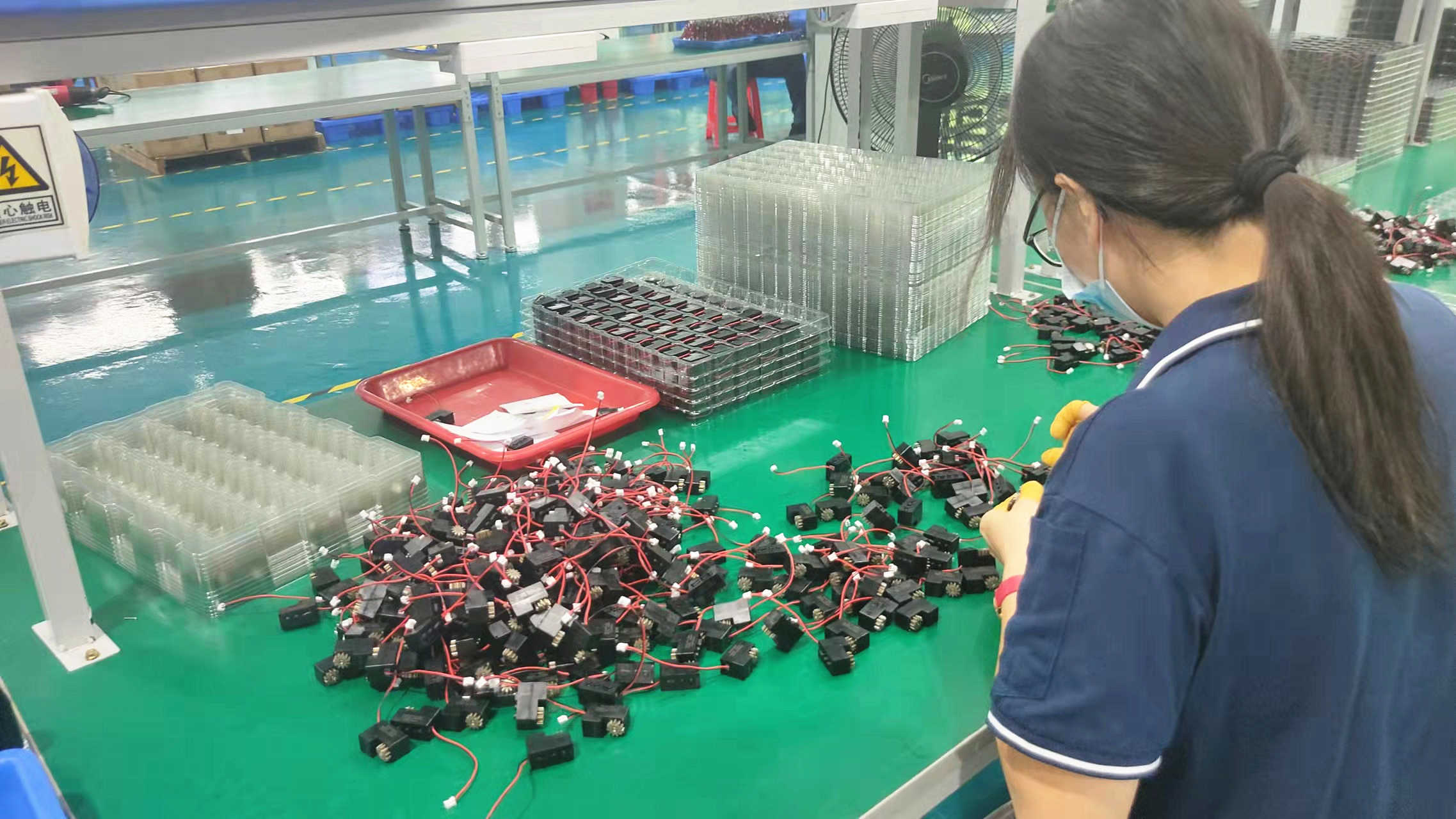
- 20+ Years of Manufacturing Integrity: An established heritage leveraging automated production lines to deliver perfect repeatability and batch consistency.
- 100% In-House Testing: Every motor undergoes rigorous mechanical, electrical, and acoustic testing before packaging.
- Rapid Custom Prototyping: Expert shaft, gearhead, encoder, and lead wire adjustments tailored to fit your specific envelope design.
- Global Compliance Ready: Manufactured in compliance with CE, RoHS, and REACH international standards.
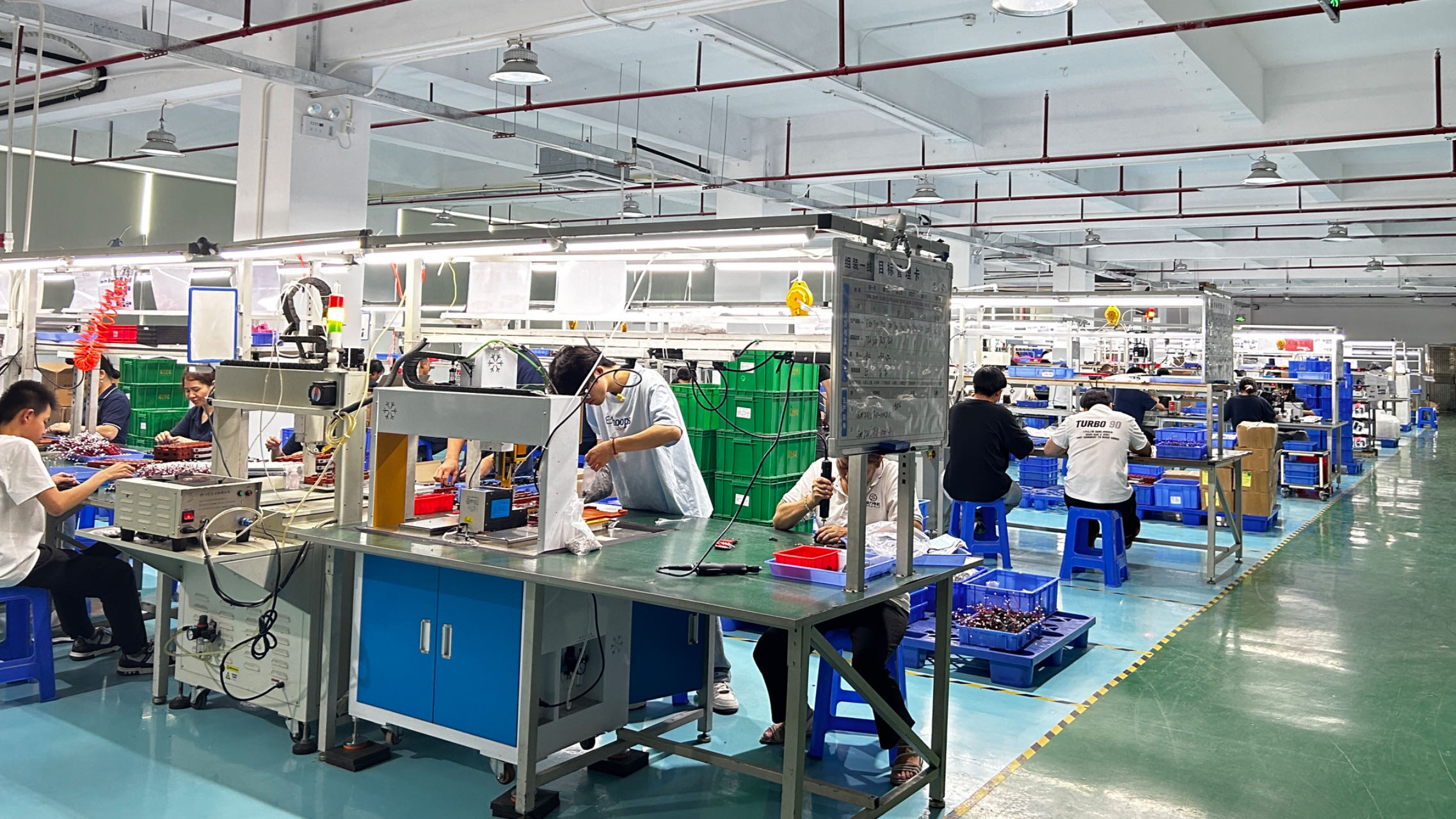
The Strategic Anatomy of China's Electric Motor Manufacturing Dominance
Understanding the structural, metallurgical, and technological ecosystem that powers global industrial drives.
Modern electrical machines—ranging from micro PMDC motors to high-voltage industrial three-phase induction motors—rely on a complex bill of materials (BOM). Sourcing from top-tier Chinese manufacturers yields unmatched technical and commercial advantages:
1. Material Optimization and Winding Competency
The efficiency of a three-phase motor or a planetary geared brushless motor is fundamentally limited by core losses (hysteresis and eddy currents) and copper losses ($I^2R$). Top China factories leverage local access to premium grade non-oriented electrical steels (such as 50CS800 or 50CS470) to yield low core losses. Stator winding processes use high-temperature enameled copper wires (Class H, 180°C rated) with exceptional slot fill factors to maximize magnetic flux density and power density within a compact frame.
2. Precision Machining and Tolerances
For micro stepper systems, high-ratio planetary gearboxes, and three-phase drivetrains, shaft concentricity and gear runout must be strictly controlled. Chinese factories utilize CNC Swiss lathing, high-speed gear hobbing machines, and electrical discharge machining (EDM) to control shaft tolerances within micrometer limits (typically h6 or g6). This minimizes back-lash, reduces acoustic noise signatures, and prevents premature bearing failure under radial and axial loads.
Inside the Factory: The Six-Stage Production Workflow
Every stage is monitored and audited to guarantee consistent mechanical performance and reliability.

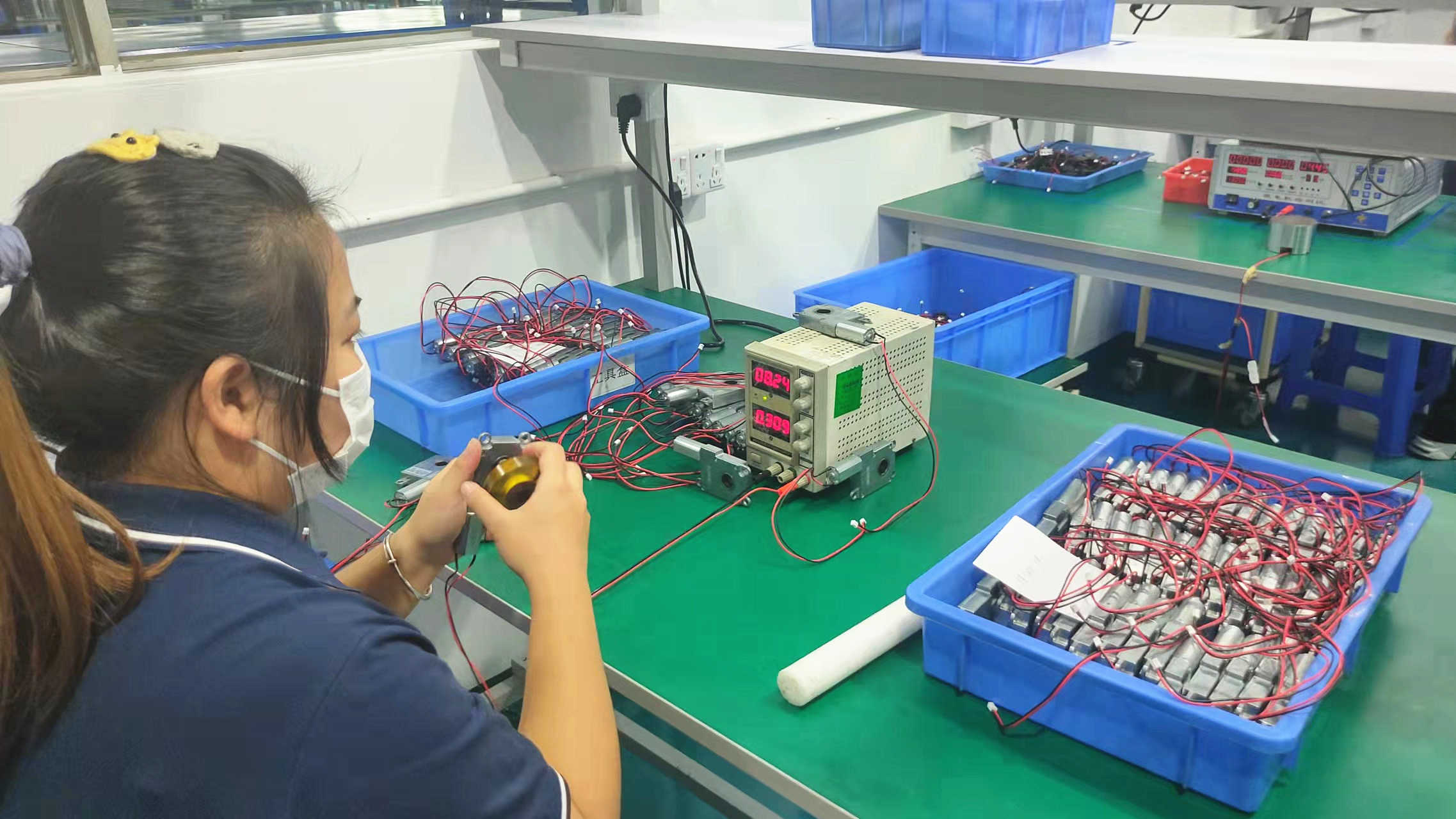
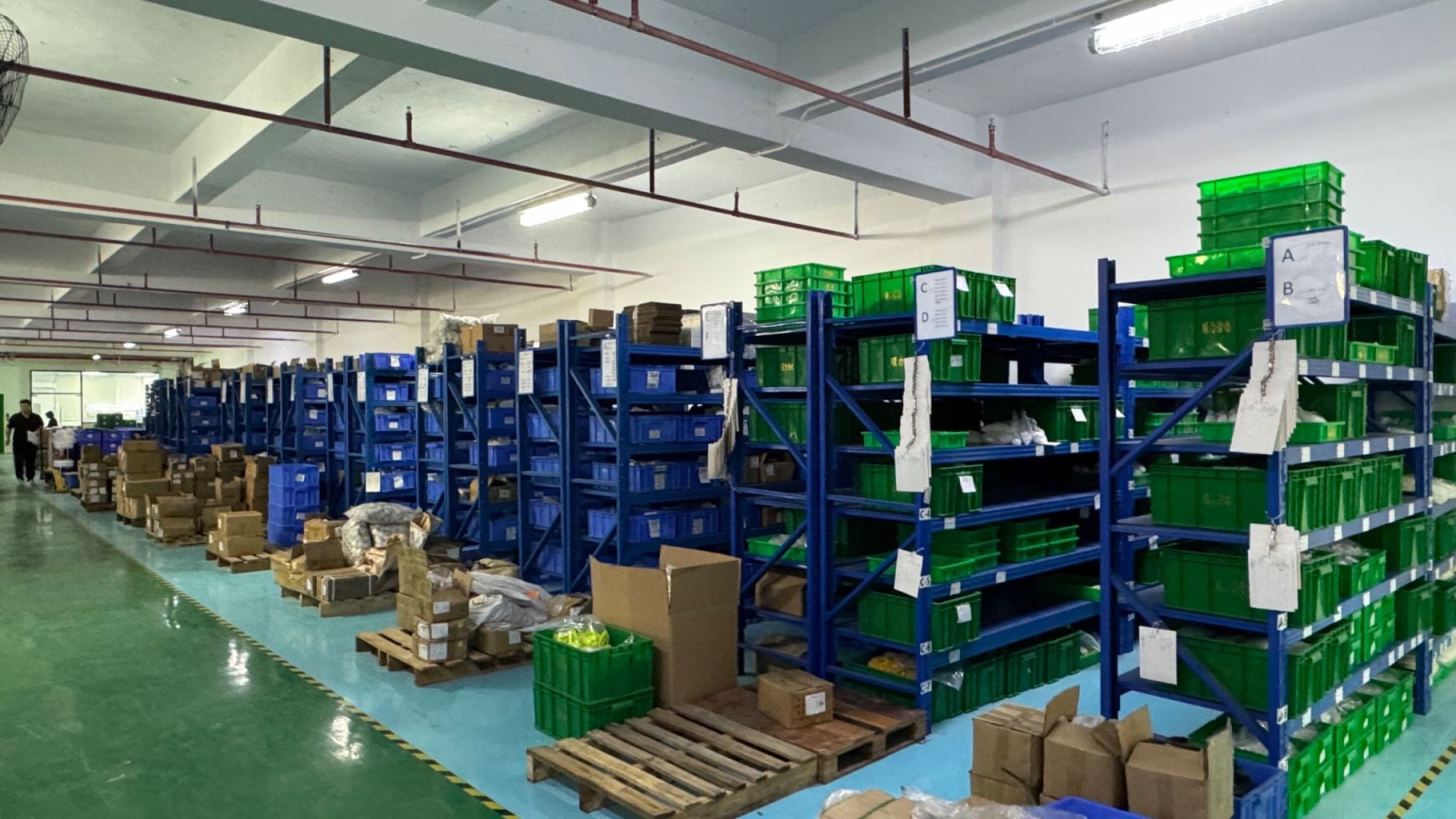
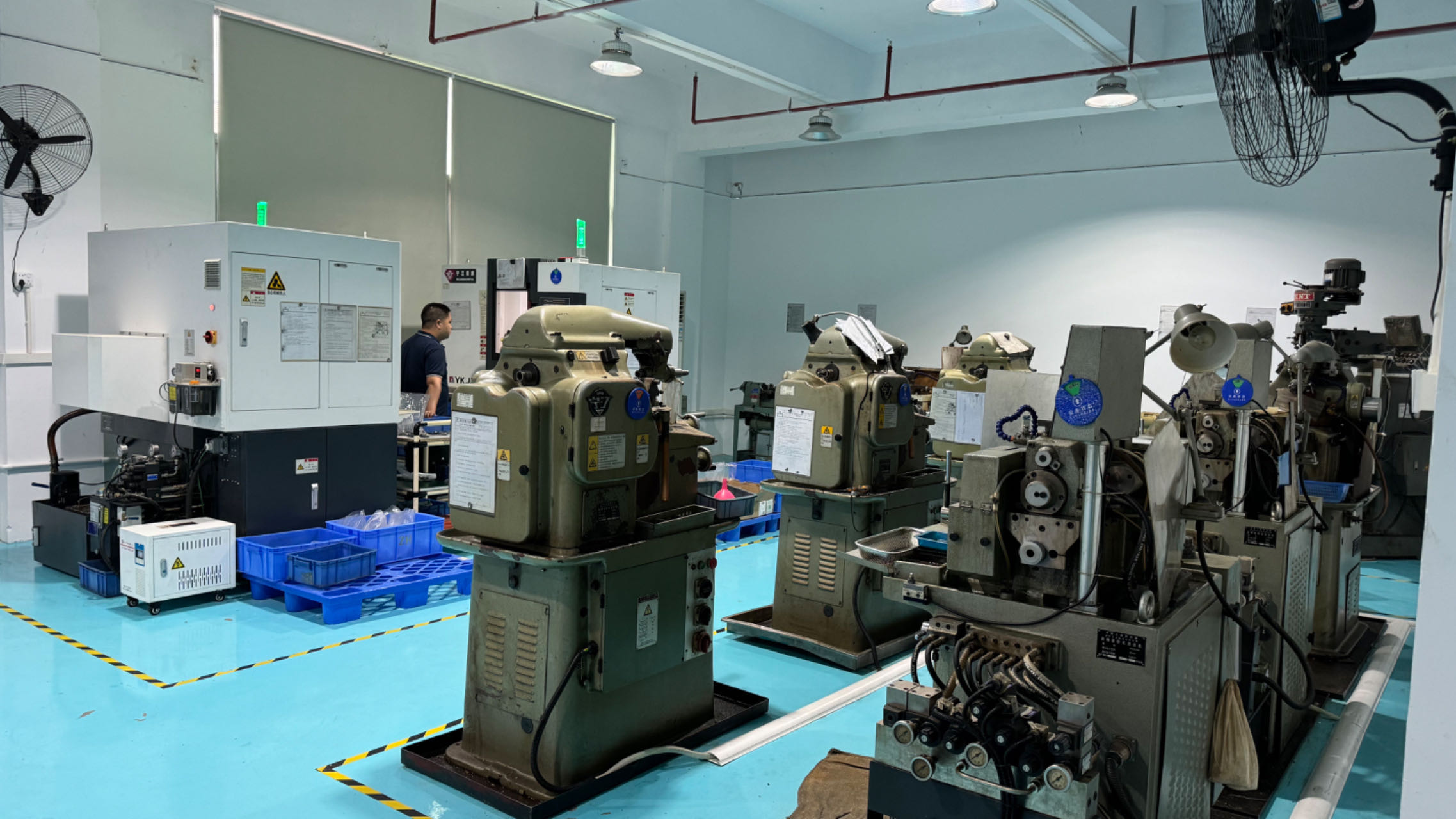
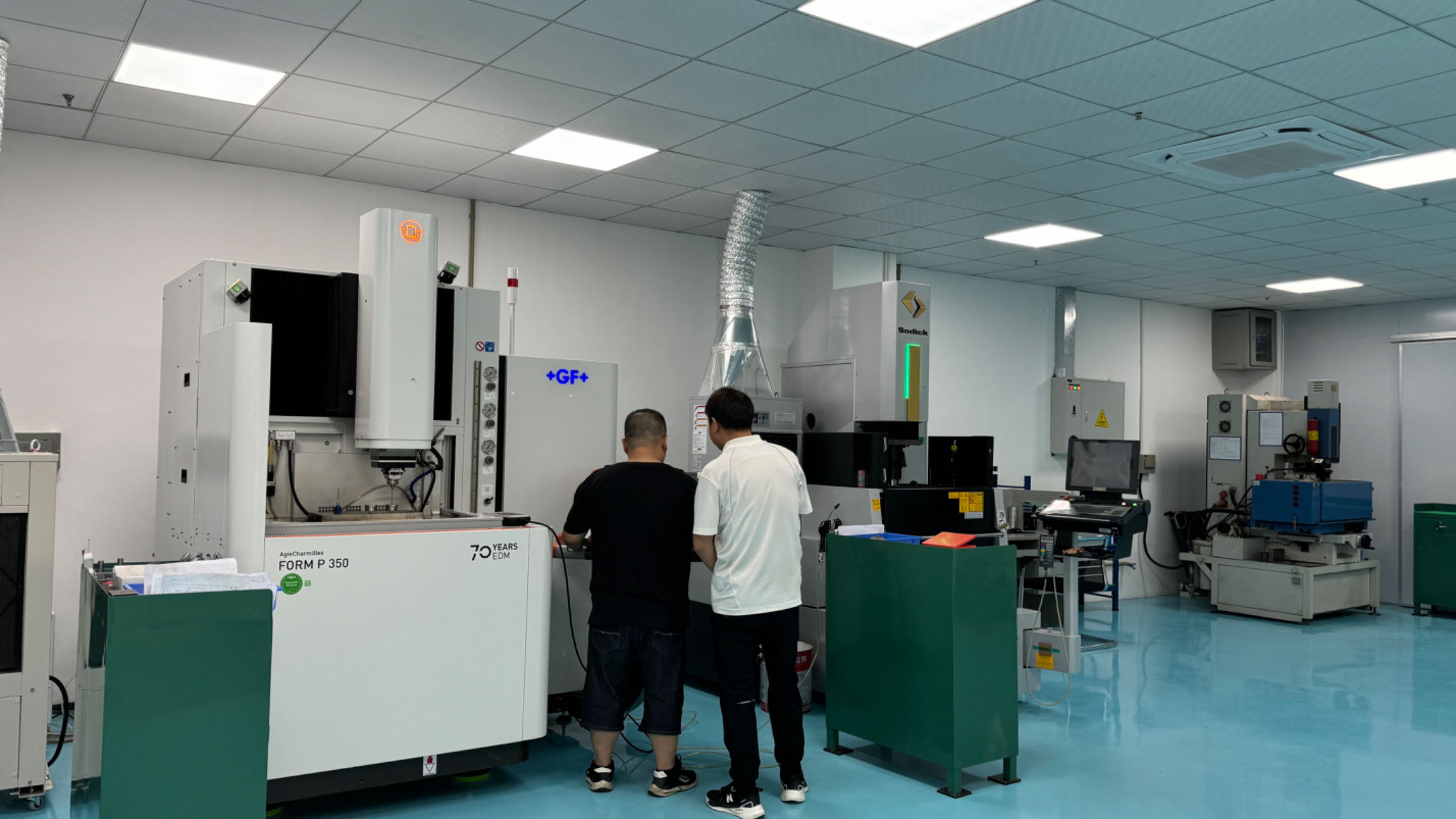
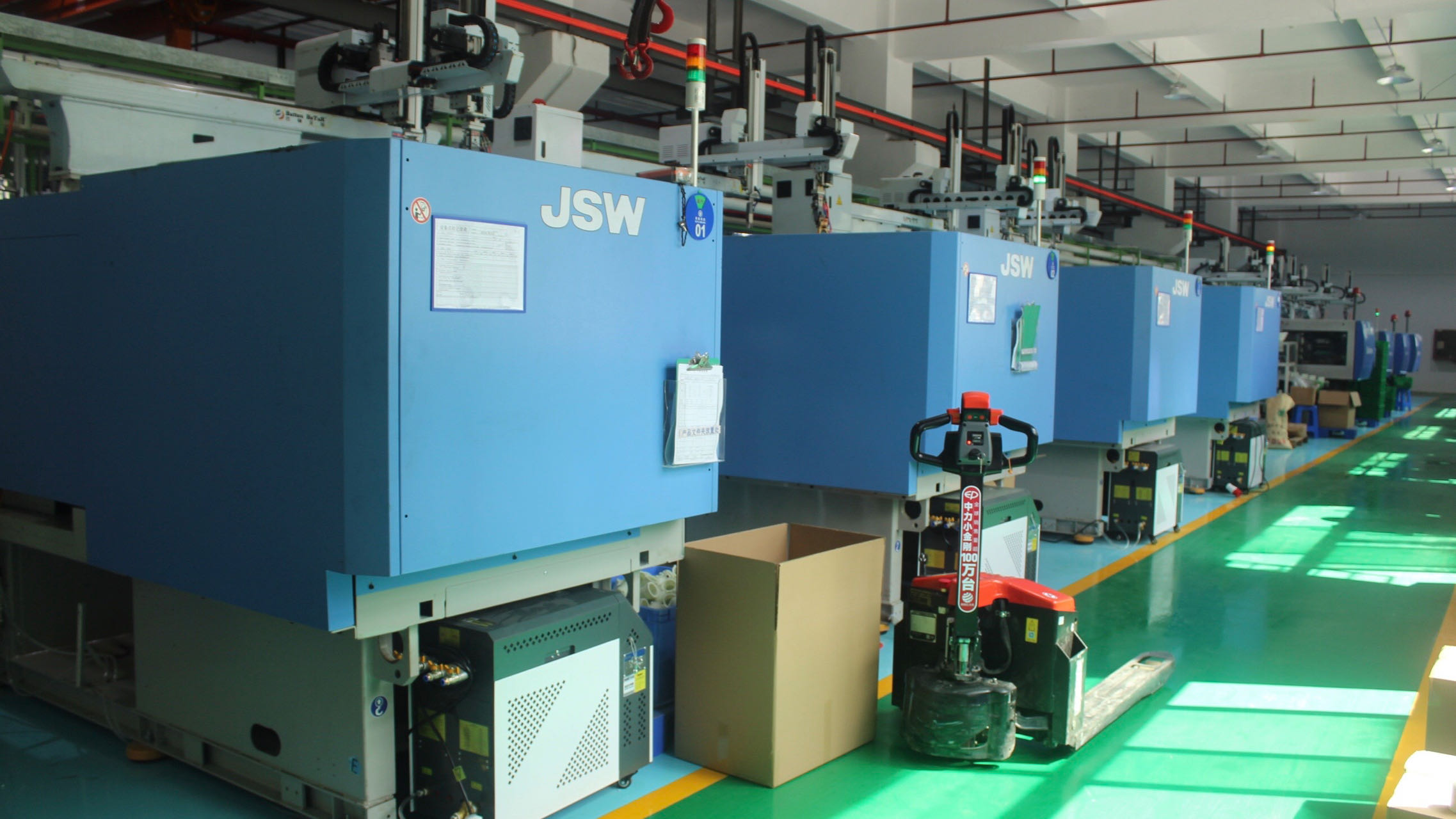
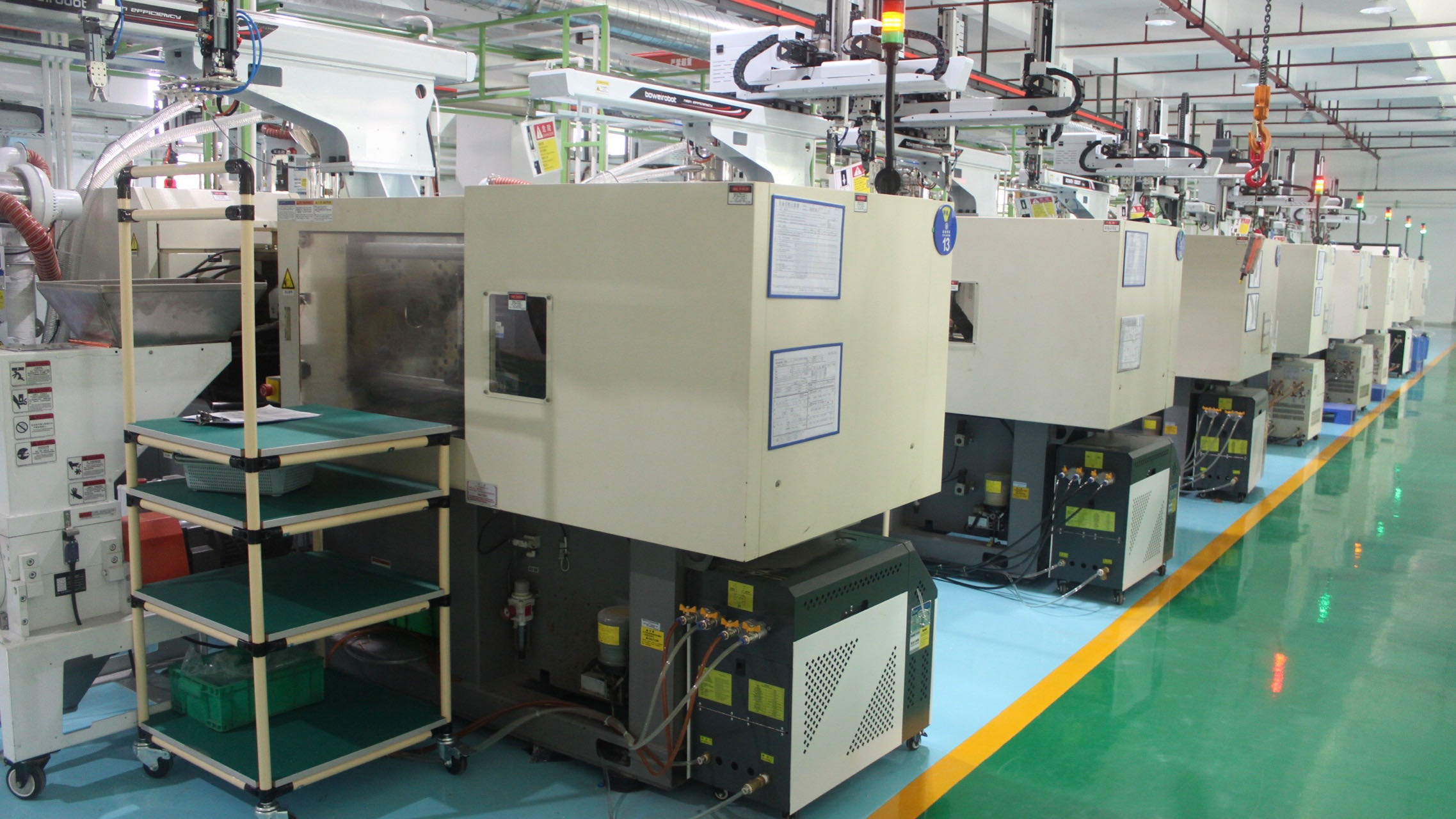
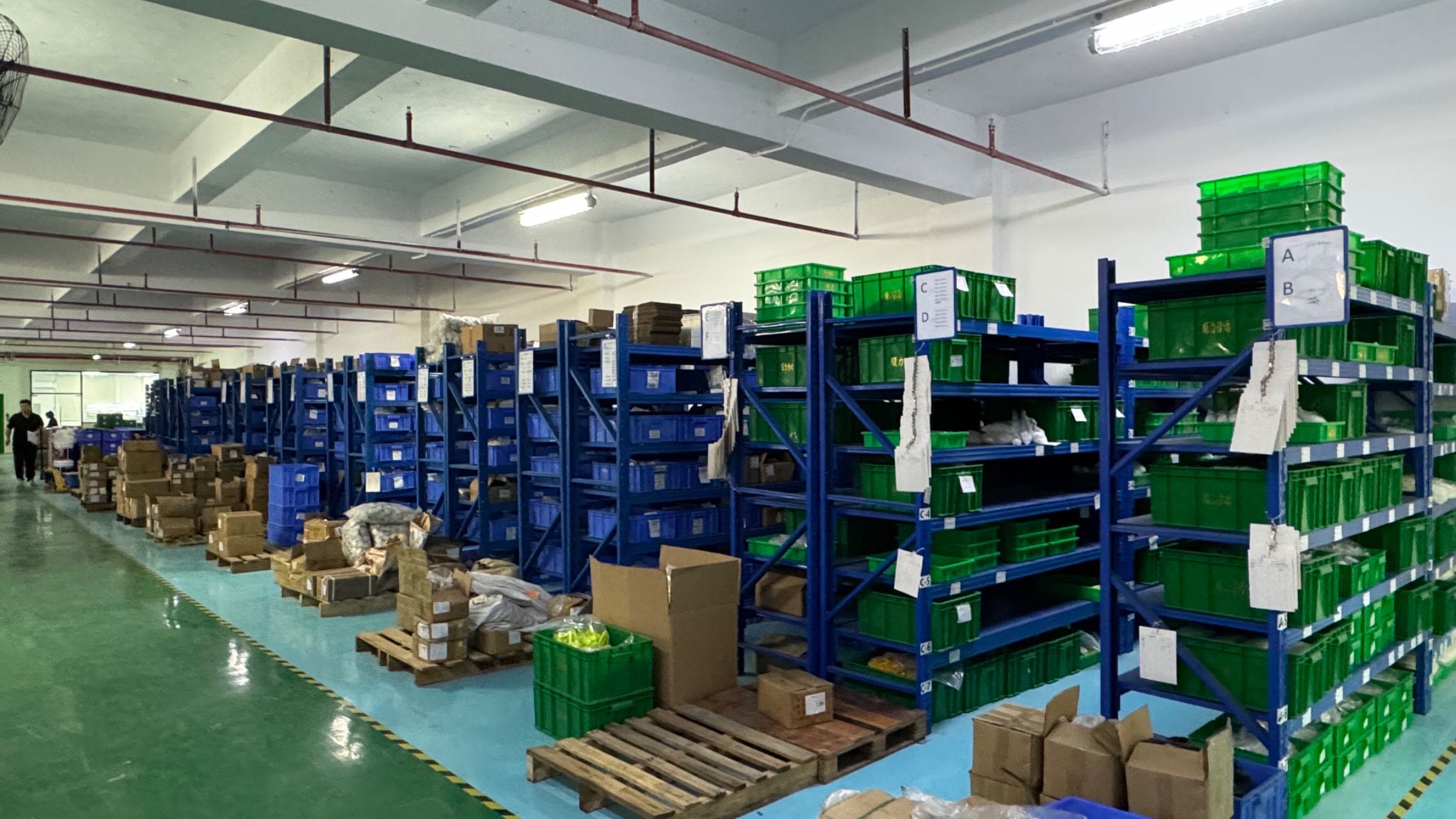
Advanced Machinery & Gear Cutting Systems
Our production plant integrates precision CNC and gear hobbing equipment to deliver dynamic shaft concentricity and high durability gearboxes.
Ningjiang Machine Tool
High-rigidity machining of motor casings and shafts.
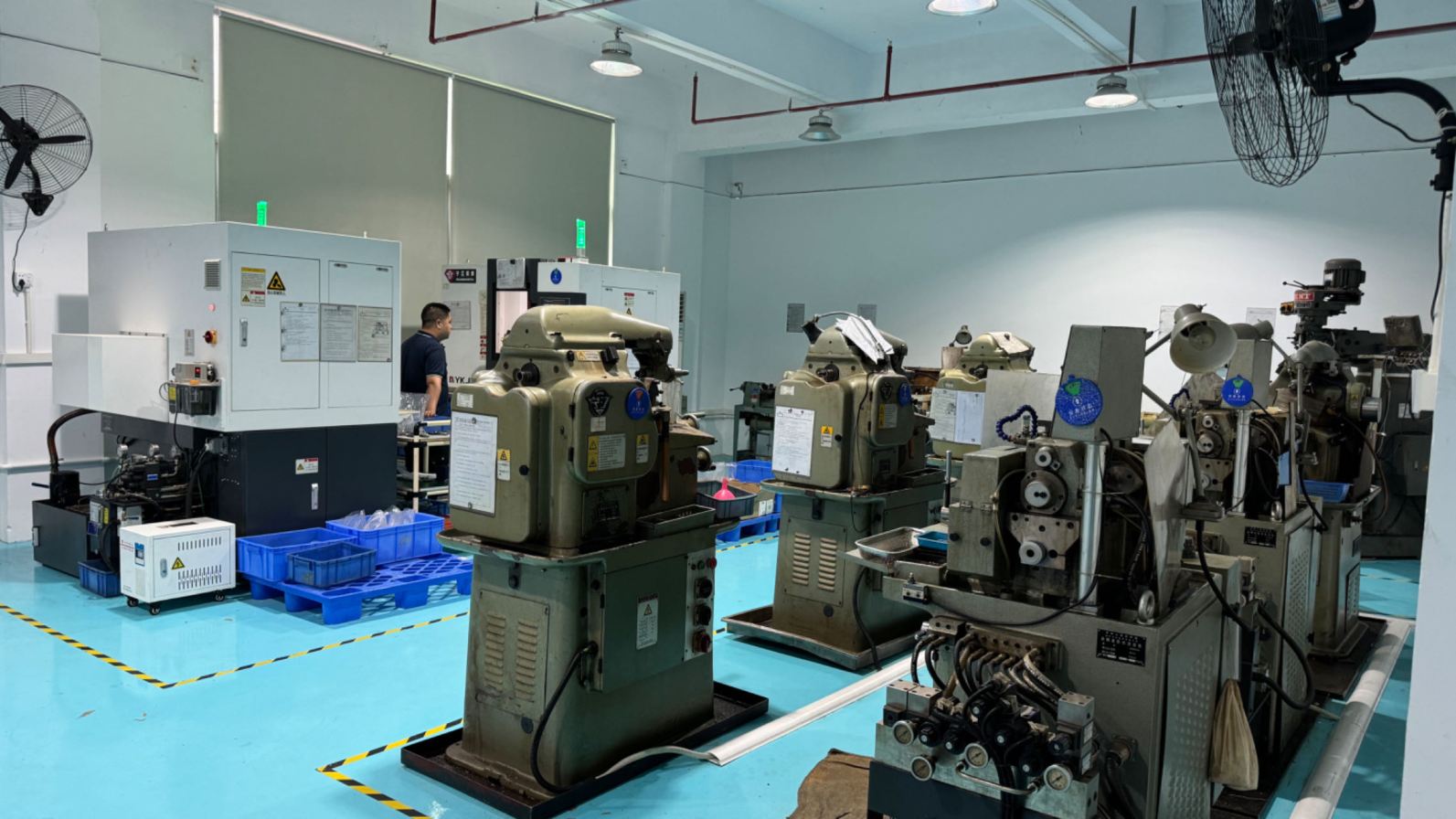
High Precision Gear Hobber
Ensures gear geometry and minimizes drive backlash.
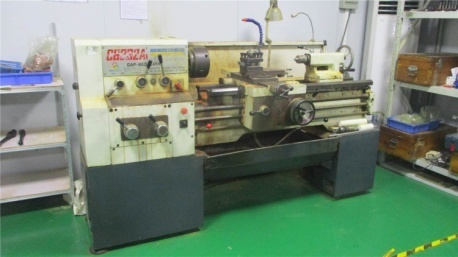
Lathing Machine
Precise turning for tight outer diameter tolerances.
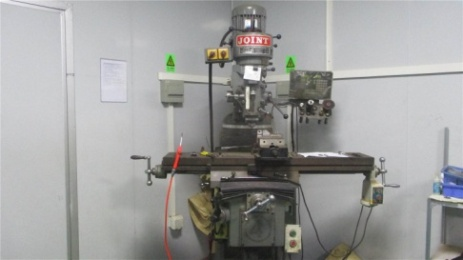
Milling Machine
Complex bracket and housing design preparation.
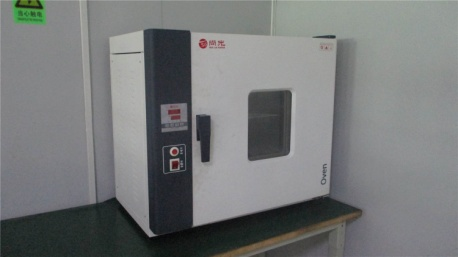
Drying Oven
Curing system for motor winding insulation varnish.
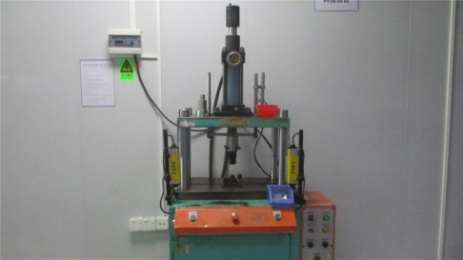
Gear Riveting
Secures gear stages with high axial retention force.
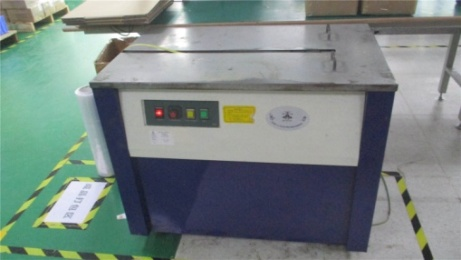
Packing Machine
Automated moisture-proof wrapping for transport.
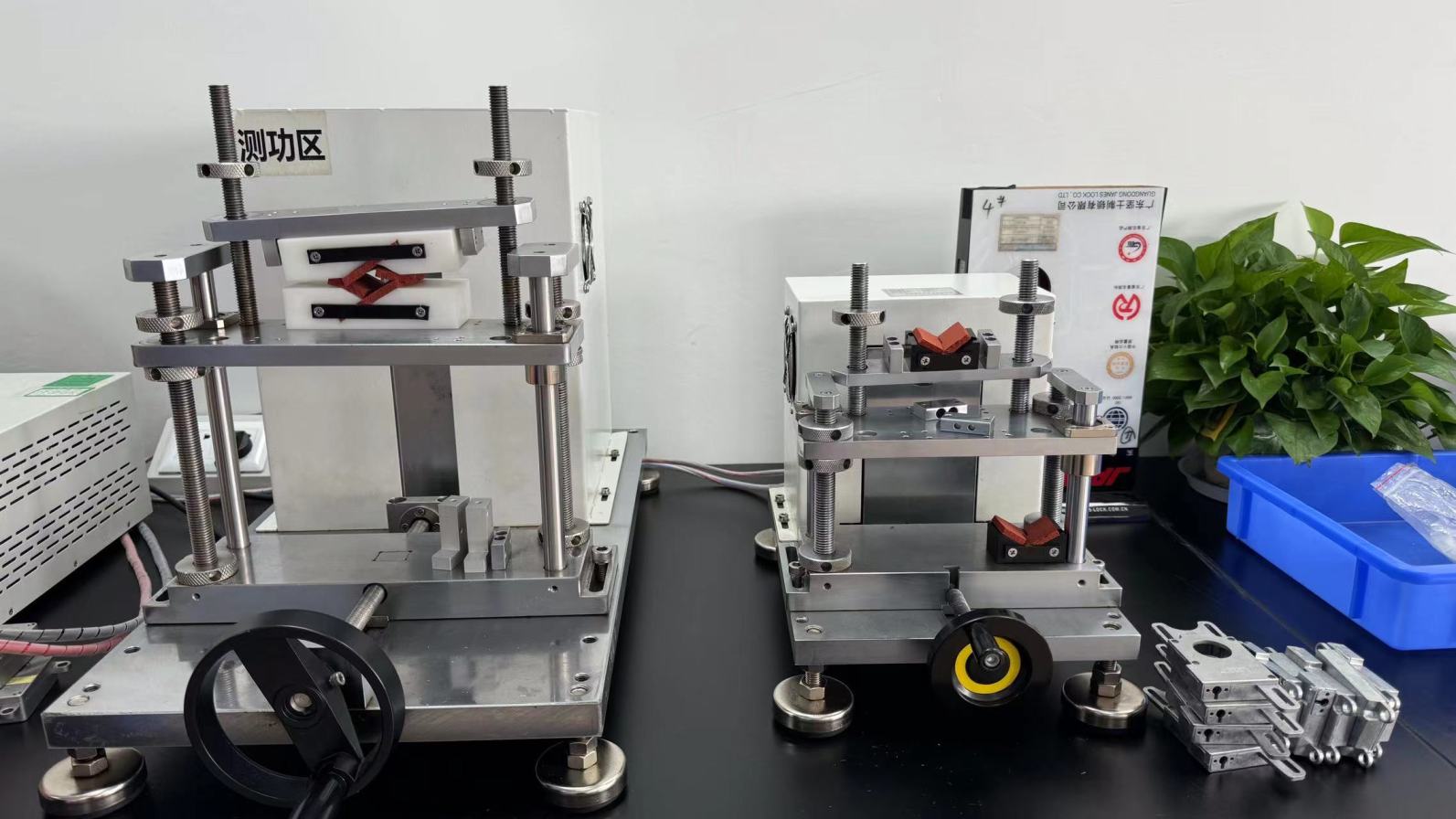
Pneumatic Press
Maintains force during rotor-shaft press-fits.
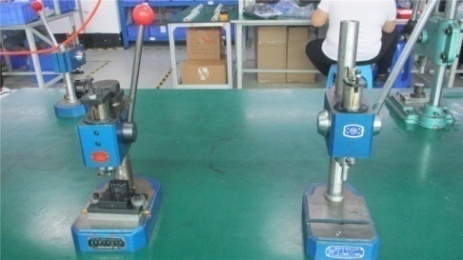
Manual Pressing
Ideal for low-volume custom prototyping trials.
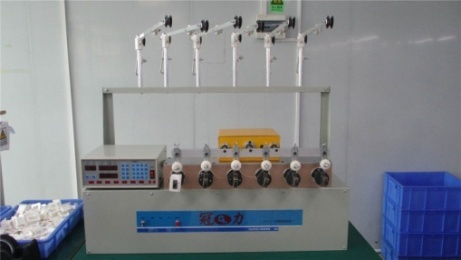
CNC Wire Winder
Controls turns, tension, and fill factor.
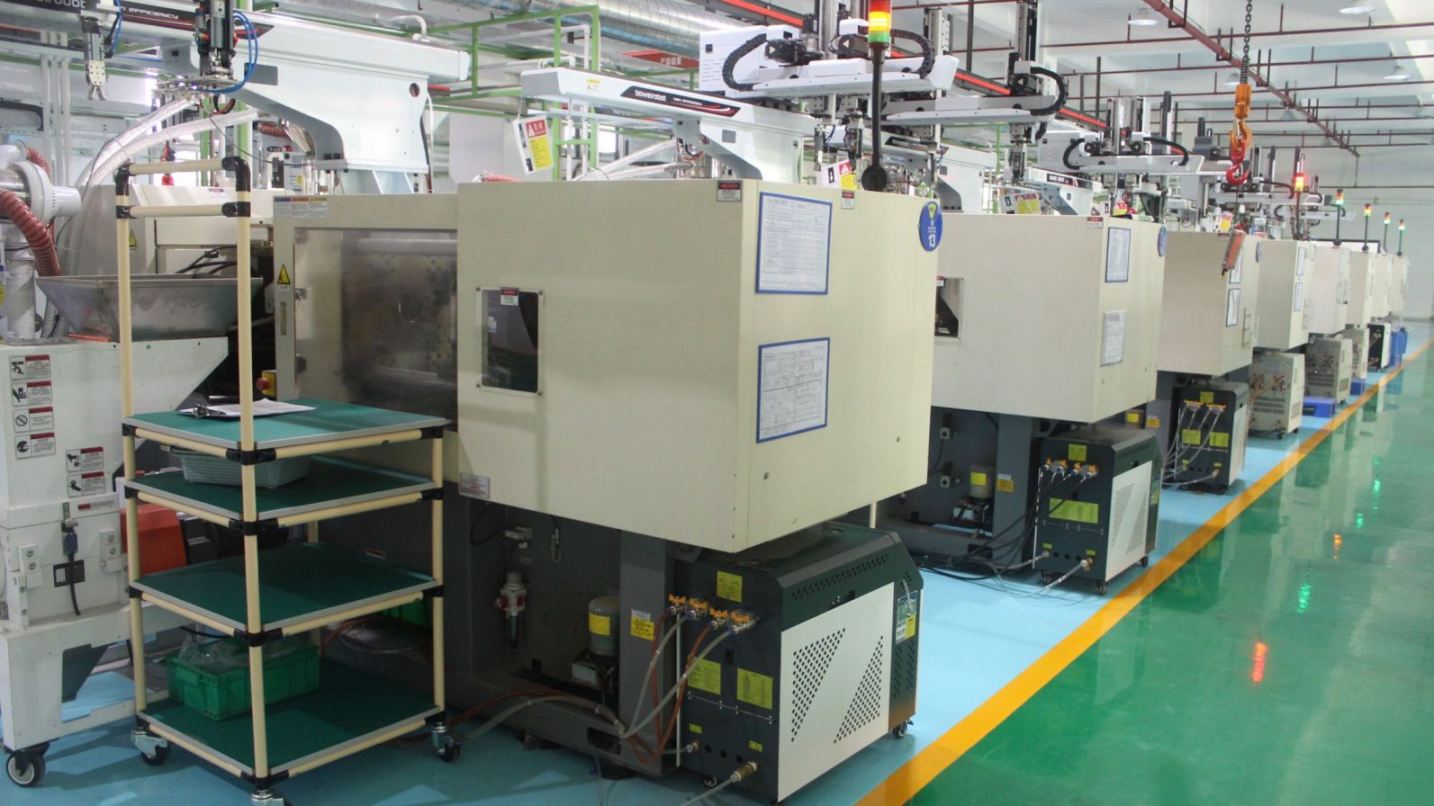
Injection Machine
Molds plastic end shields and nylon gears.
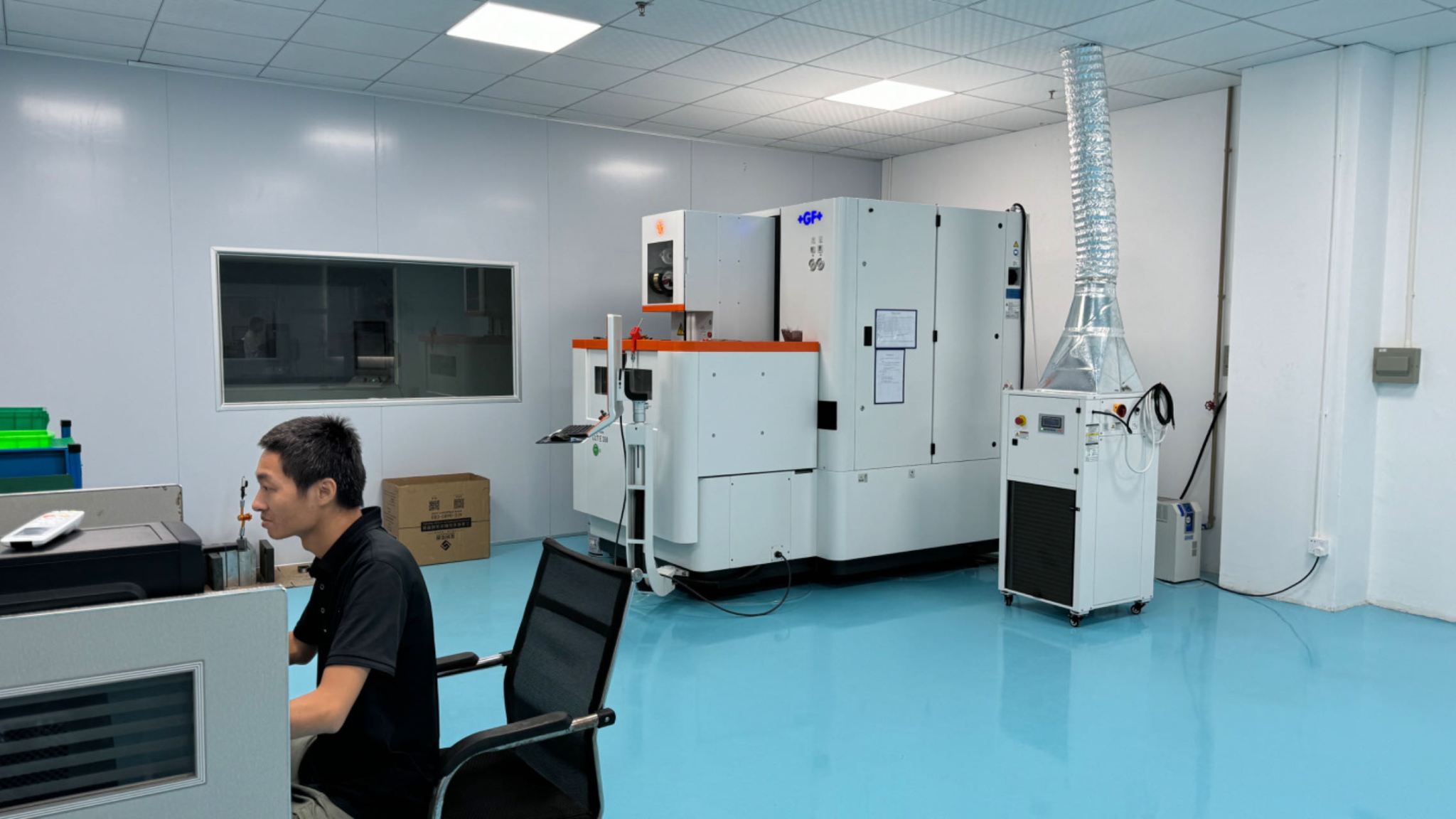
Slow-feeding NC Wire-cut
Achieves sub-micron precision for tool making.
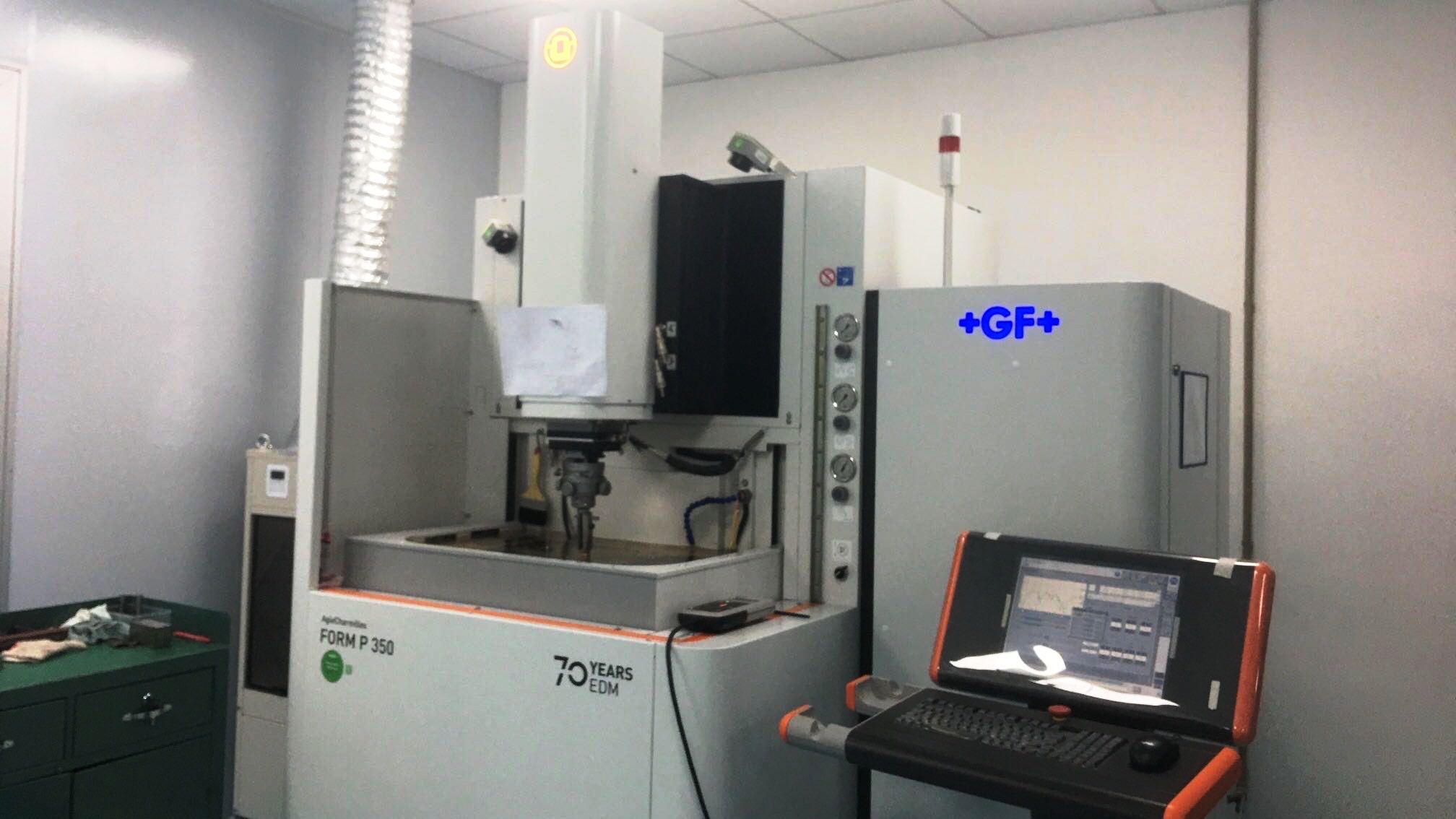
EDM
Spark erosion tooling for intricate geometries.
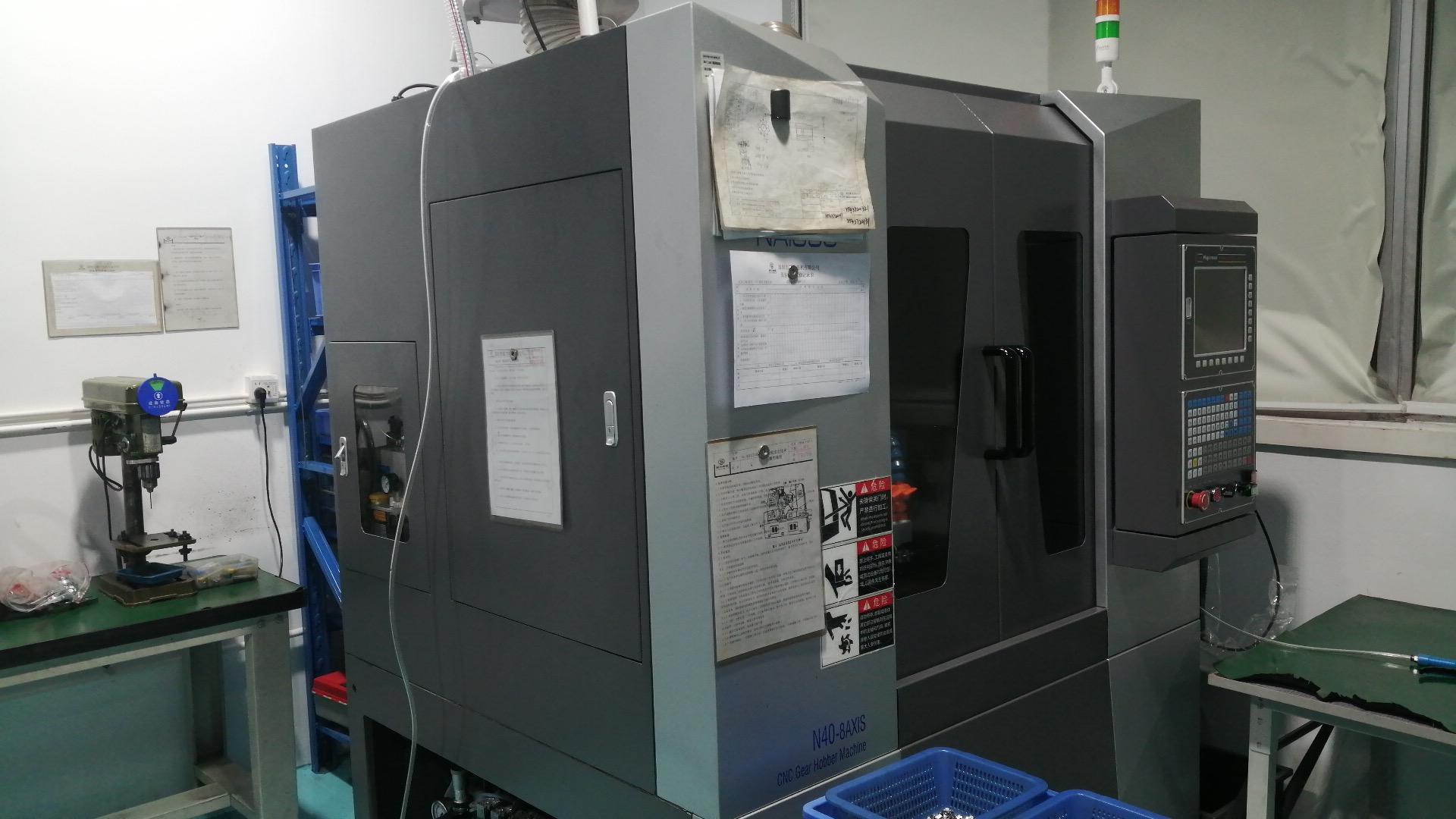
Hobbing Machine
High-volume gear cutting with consistent quality.
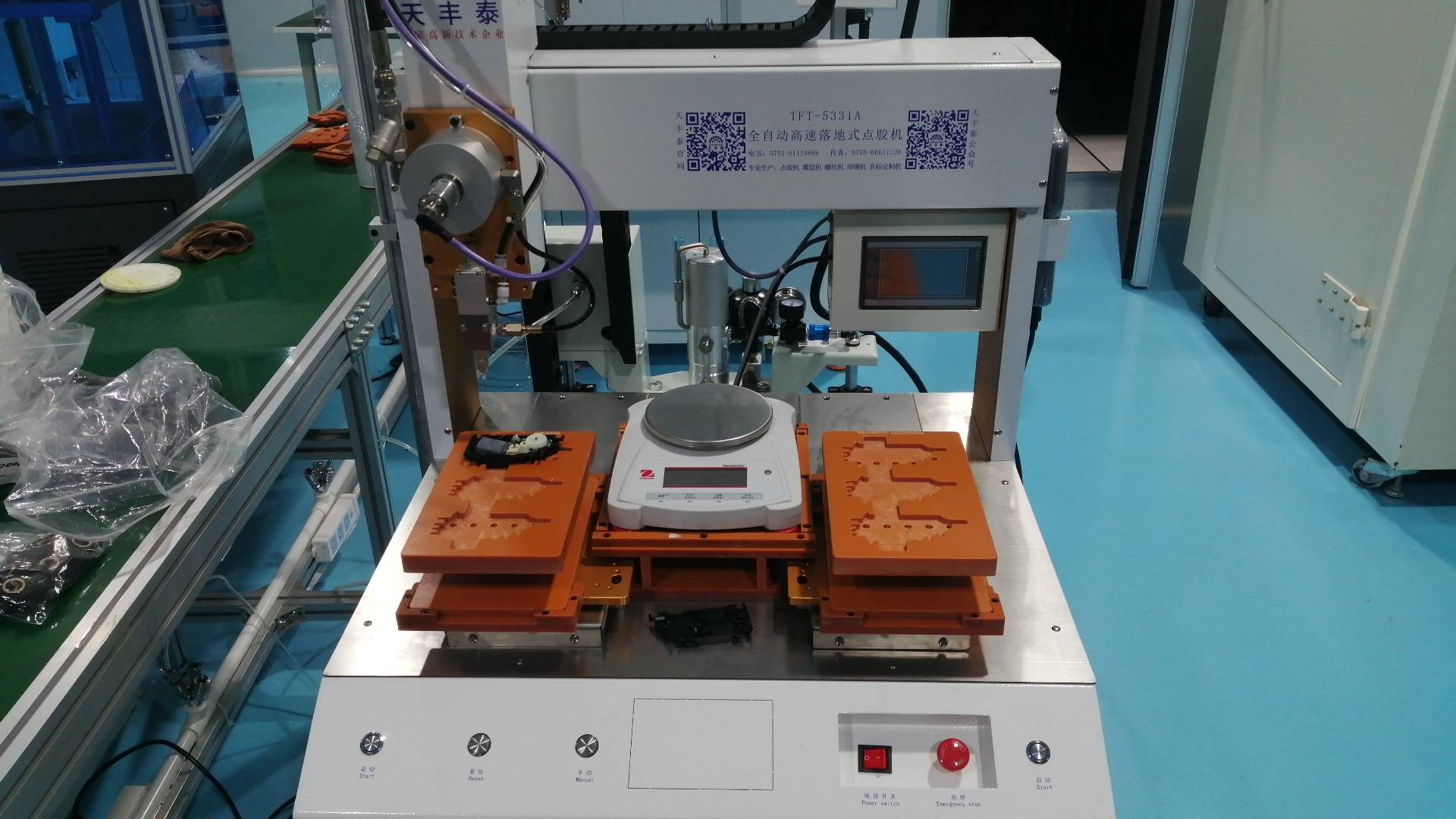
Glue Dispenser
Precise application of anaerobic locking adhesives.
Technological Trajectories and Energy Targets
Decarbonization, smart factories, and the growing demand for high-efficiency motor configurations.
The global motor market is undergoing a major technological shift. Driven by international standards (such as IEC's IE3, IE4, and IE5 efficiency classes) and domestic carbon neutrality mandates, motor design is evolving rapidly:
- Adoption of PMAC and Brushless Topologies: Traditional AC induction systems are being replaced by Permanent Magnet AC (PMAC) and Brushless DC (BLDC) motors in applications requiring variable speeds. These topologies eliminate rotor slip losses, offering higher efficiency even at partial loads.
- Smart Drives and IoT Integration: Modern industrial three-phase systems are increasingly outfitted with smart sensors to monitor temperature, vibration frequency, and current signatures, enabling predictive maintenance.
- Eco-Design and Rare Earth Optimization: High-efficiency motors depend heavily on NdFeB magnets. To balance cost and supply chain security, Valex optimizes magnetic circuits to maximize torque per unit mass, reducing reliance on heavy rare-earth metals.
Laboratory Metrology & Inspection Systems
All drives undergo rigorous verification using state-of-the-art testing instrumentation to meet strict mechanical standards.
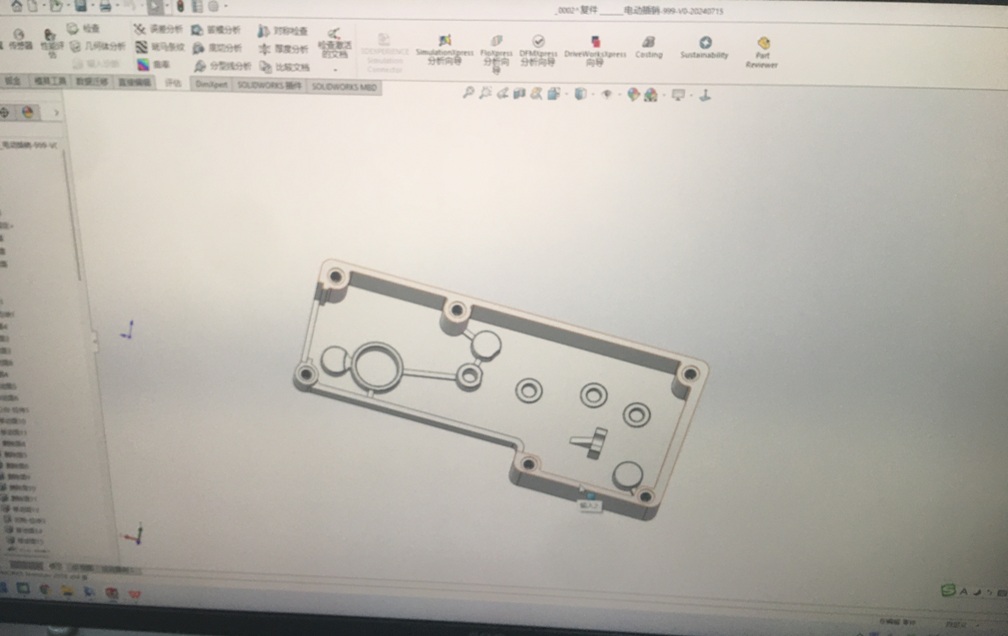
R&D Design
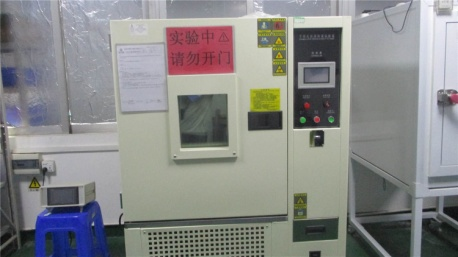
Temp & Humidity Chamber
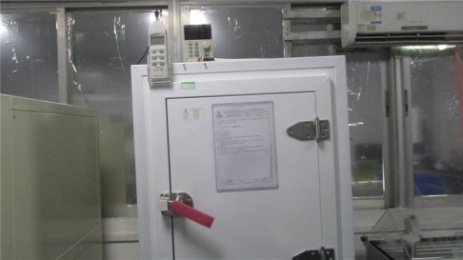
Anechoic Noise Chamber
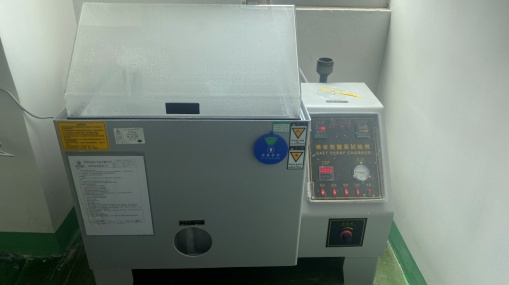
Salt Spray Machine
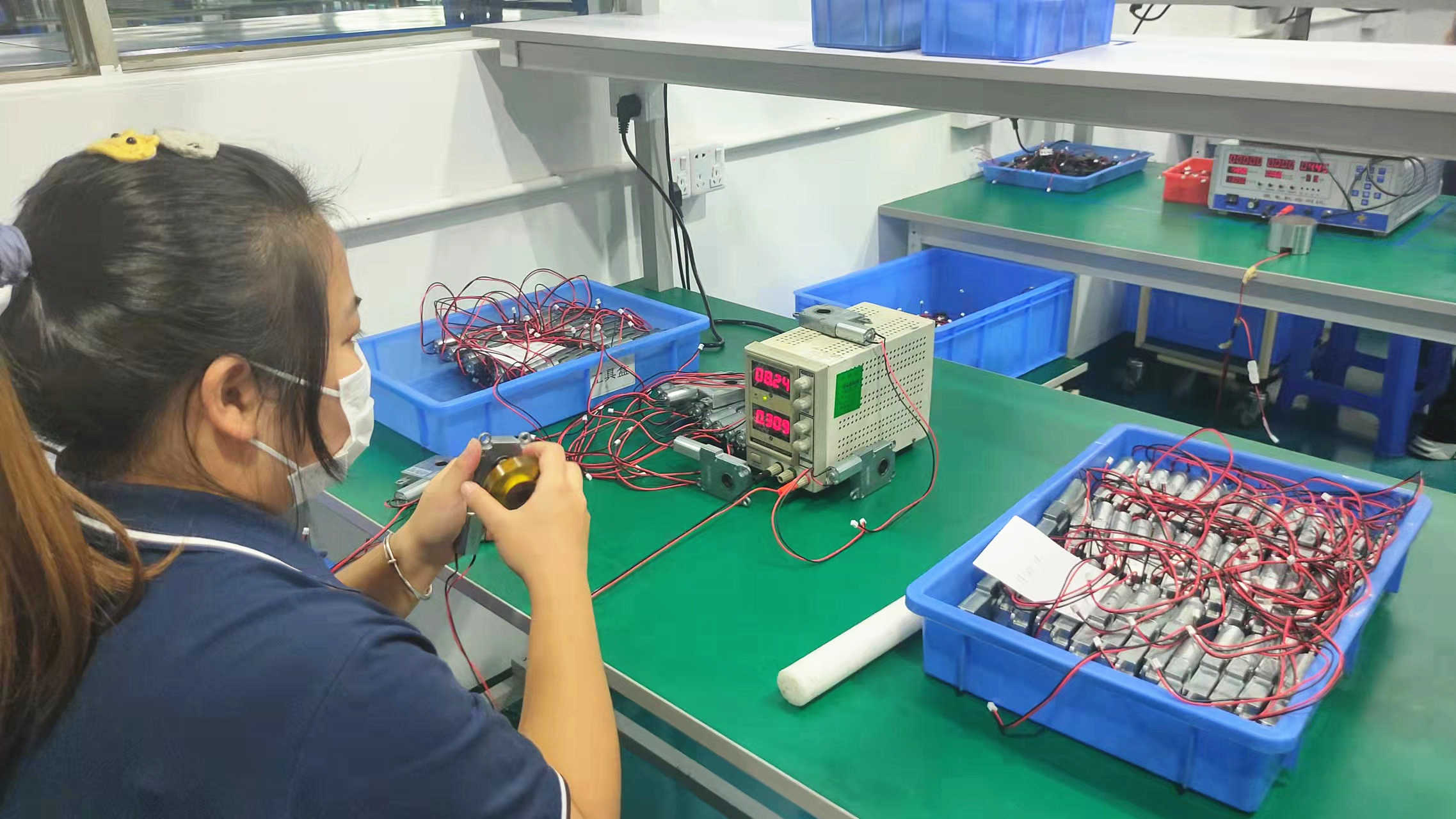
QC Inspection
Comprehensive checks on incoming and outgoing components.
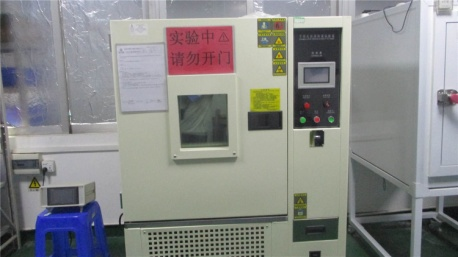
Environmental Testing
Evaluates motor performance under extreme temperatures.
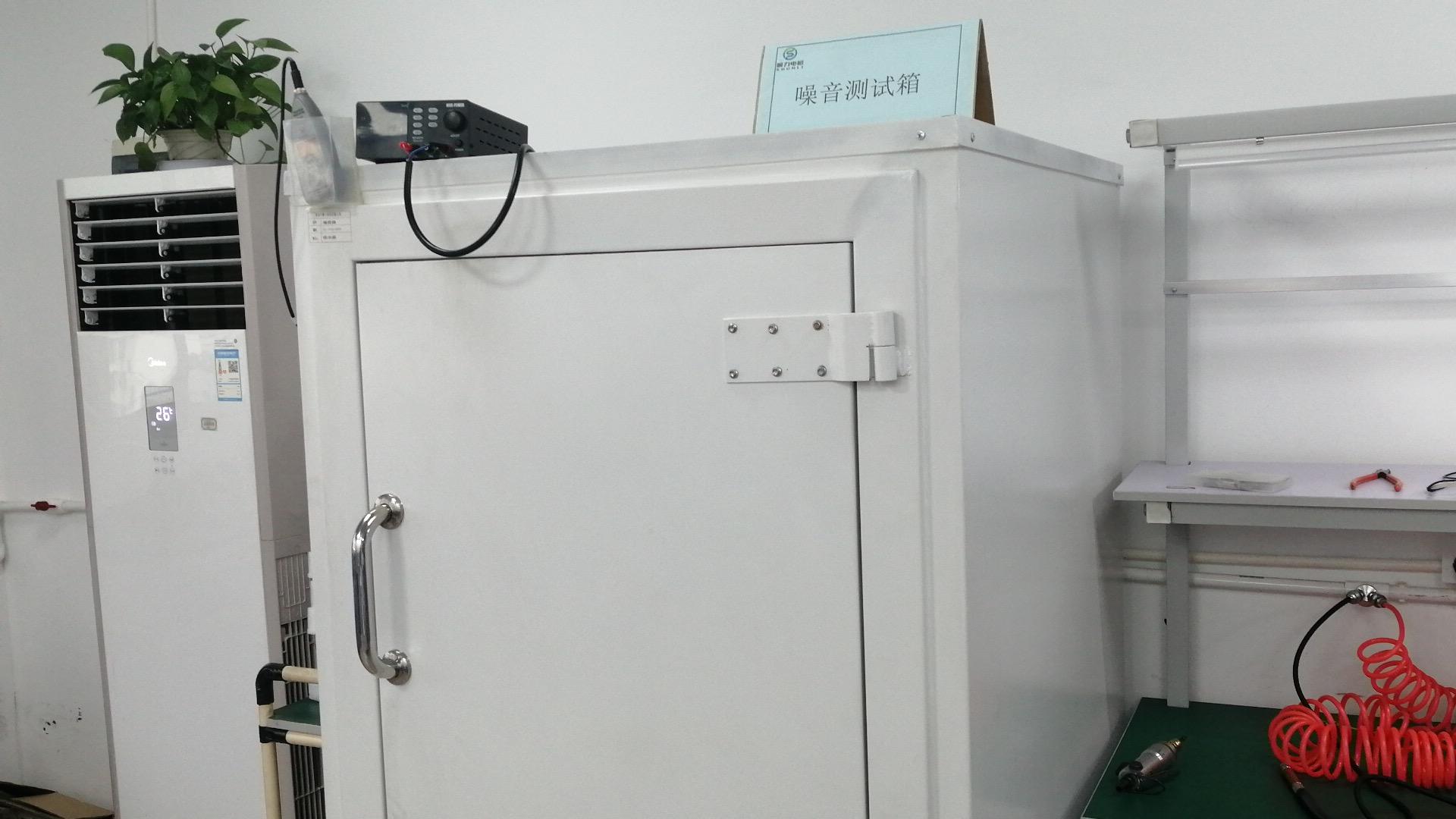
Acoustic Room
Measures vibration-induced noise signatures.
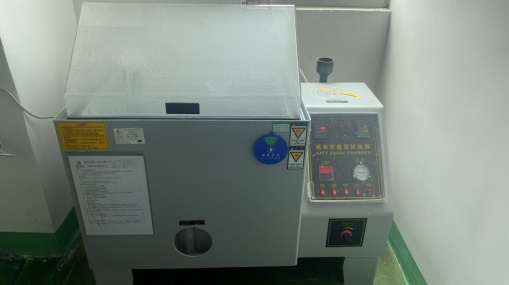
Corrosion Testing
Assesses the durability of plating and surface treatments.
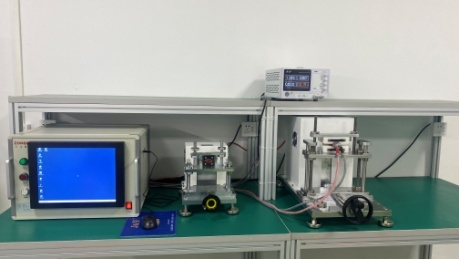
Hysteresis Dynamometer
Plots speed-torque curves and measures motor efficiency.
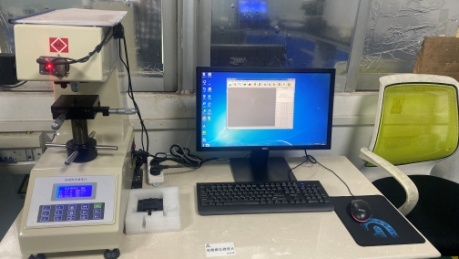
Rockwell/Vickers Tester
Verifies gear hardness and shaft heat treatment depth.
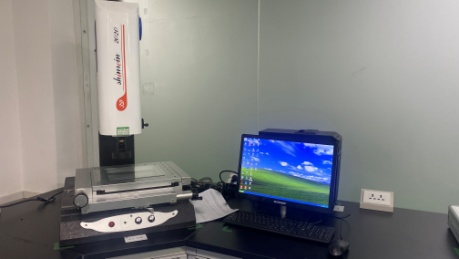
Automated VMM
Optically measures complex component dimensions.
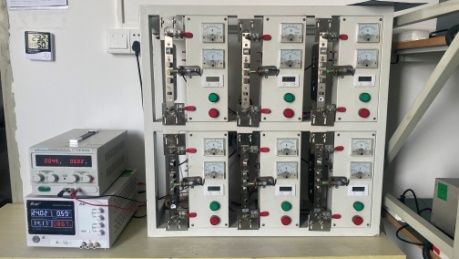
Life Cycle Aging Shelf
Performs long-term continuous durability runs.
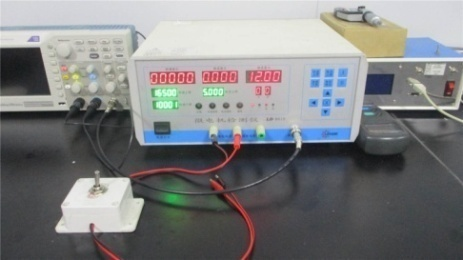
Automated Performance Tester
Verifies winding resistance, inductance, and insulation.
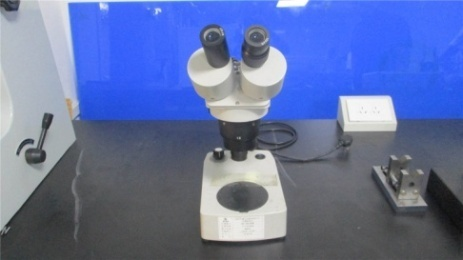
Metallurgical Microscope
Analyzes grain boundaries and detects gear micro-cracks.
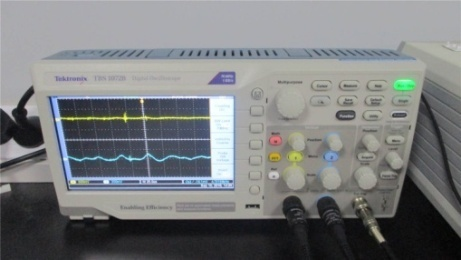
Digital Oscilloscope
Captures transient electrical signals and back-EMF waveforms.
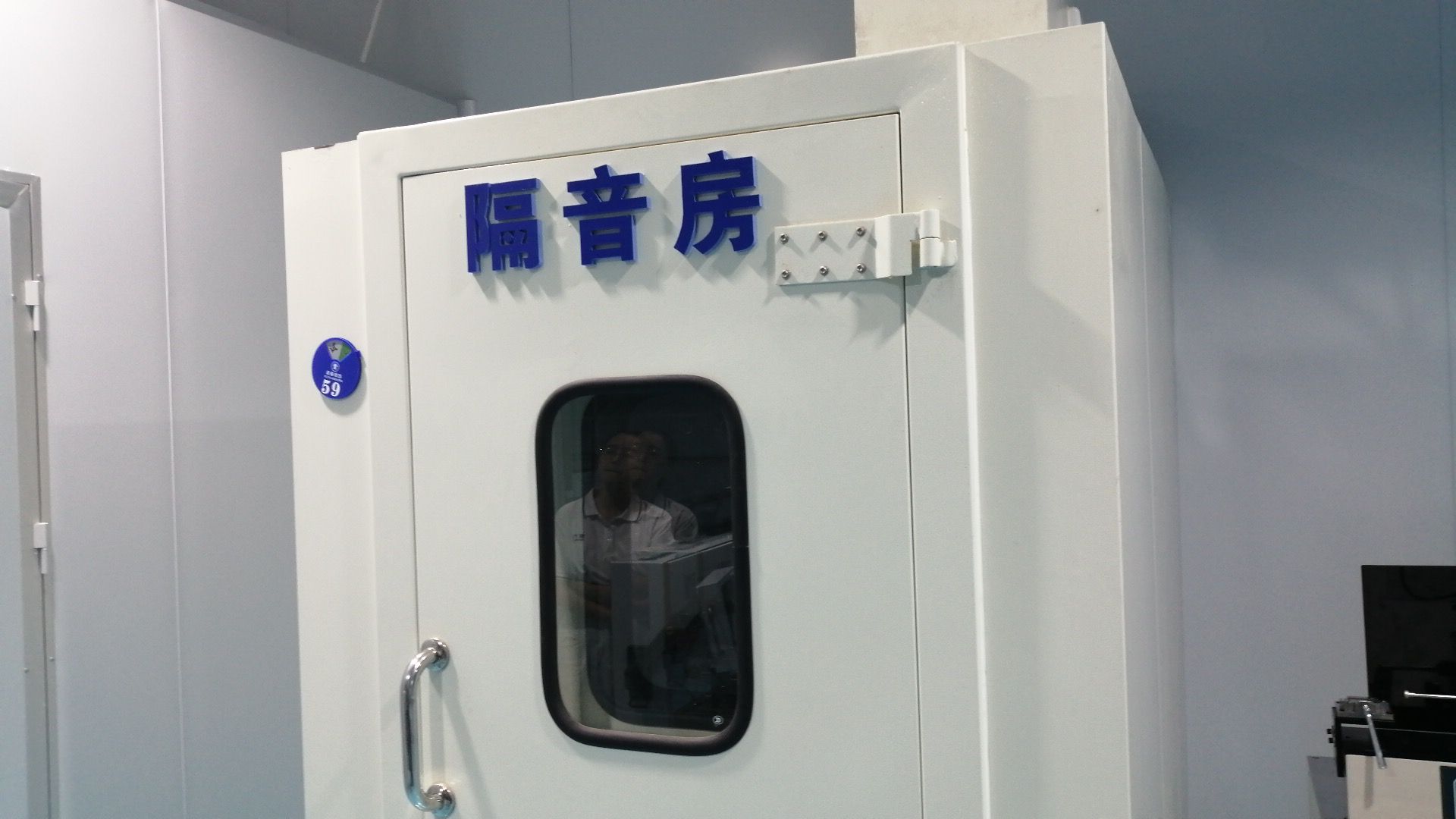
Precision Soundproof Room
Enables ultra-low noise measurement of geared motors.
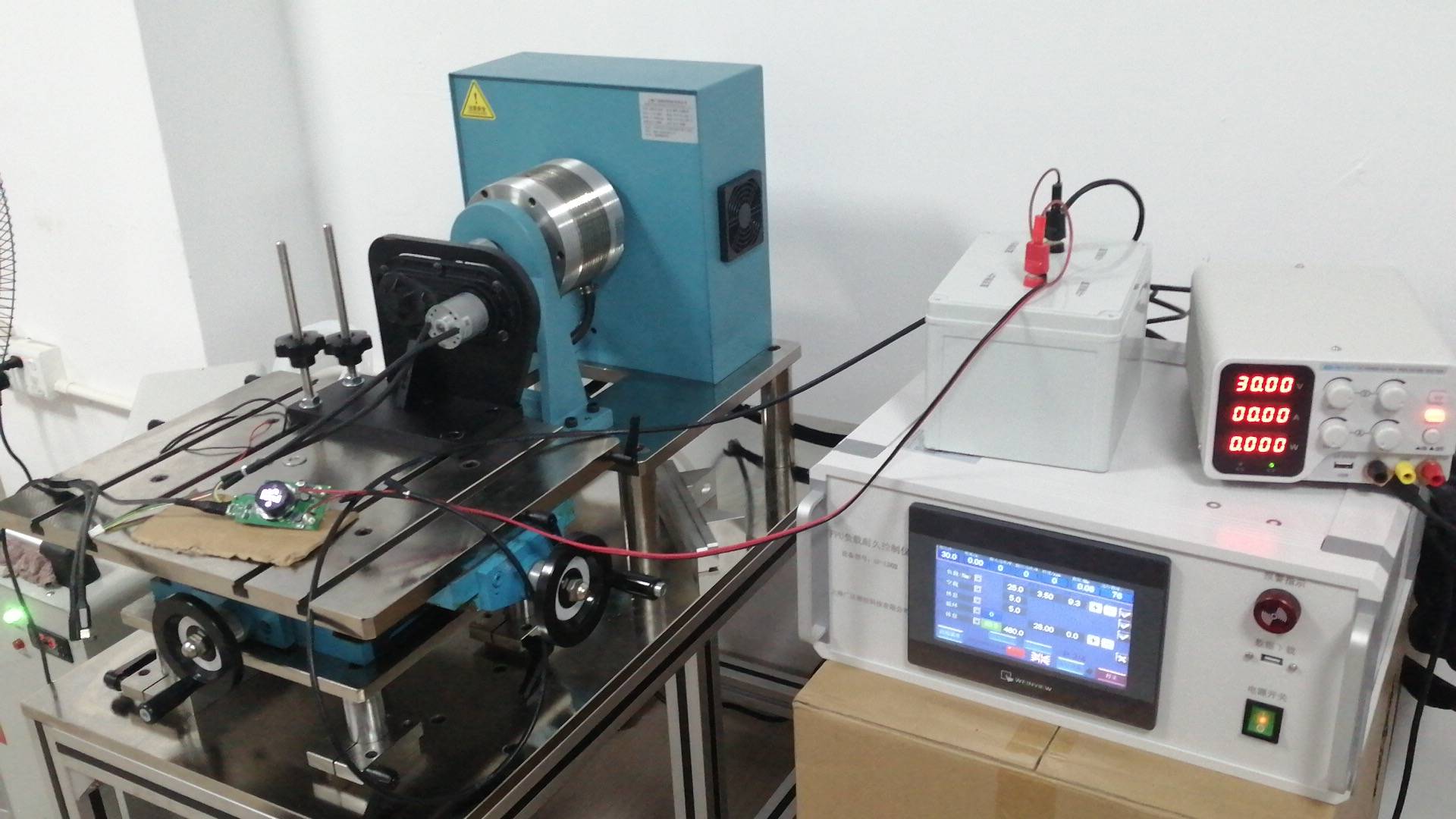
Magnetic Flow Analyzer
Validates rotor magnetic strength and detects flux leaks.
Navigating Procurement Metrics for Custom Motors
Technical criteria for design verification, supplier evaluation, and quality management.
Sourcing motors goes beyond simply matching voltage, speed, and torque values. To ensure long-term reliability in industrial environments, engineers must evaluate several key performance criteria:
Shaft and Bearing Loading Limits
Radial and axial loads directly impact bearing lifetime, calculated using the standard $L_{10}$ formula. For applications utilizing pulleys, belts, or heavy planetary gear stages, selecting double-shielded ball bearings over sintered bronze sleeve bearings is essential. Precision alignment of stator components helps prevent unbalanced magnetic pull, reducing vibration-induced fatigue on bearing races.
Thermal Classes and Insulation Ratings
Internal heat dissipation is critical for high-torque motors. Standard setups feature Class B (130°C) or Class F (155°C) insulation, while demanding applications benefit from Class H (180°C) systems. Utilizing double-insulated magnet wire and high-grade impregnating varnish ensures resistance to voltage surges and thermal cycling failures.
Custom Gearbox Optimization
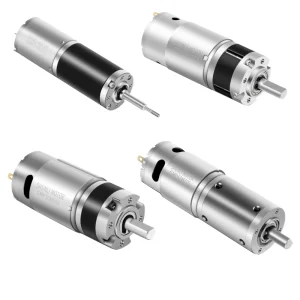
Matching the right gear motor to your application requires careful calculation of backlash, gear ratio, and efficiency. Spur gear systems offer cost-effective operation for low-duty applications, while helical and planetary gearboxes provide high torque capacity, low acoustic noise, and compact designs suitable for advanced robotics and automation.
Encoder and Sensor Feedback
For closed-loop positioning, motors can be integrated with incremental optical or magnetic Hall-effect encoders. Incorporating high-resolution feedback allows motor controllers to achieve precise angular resolution, crucial for applications like vending machine dispensing, medical equipment, and camera gimbals.
Technical FAQ: Micro & Industrial Motors
Answers to common engineering questions regarding customization, testing, and system integration.
Three-phase AC induction motors are highly valued for their rugged construction, simplicity, and low maintenance, making them ideal for heavy-duty industrial machinery. Conversely, BLDC motors offer higher power density, better efficiency at lower speeds, and precise positioning capabilities. The choice depends on the specific speed range, space constraints, and precision requirements of the application.
We provide extensive customization options, including shaft modifications (flats, keyways, splines, hollow shafts), gear ratio adjustments, encoder resolutions, customized wire harnesses and connectors, and specialized lubricant ratings for extreme temperature operation.
Acoustic noise is managed through precise component design and verification. We utilize specialized gear hobbing machinery to maintain gear profile accuracy, precise dynamic balancing of rotors, and dedicated soundproof chambers to measure vibration signatures, keeping motor noise within target decibel limits.
Our motors are evaluated using precision hysteresis dynamometers in compliance with international standards such as IEC 60034-30-1 and IEEE 112. These tests measure electrical input power against mechanical torque and speed outputs to confirm exact efficiency classifications (such as IE3 or custom OEM targets).
Prototyping deliveries include full dimensional inspection reports, speed-torque curves from dynamometer testing, electrical insulation certificates, and compliance declarations for environmental standards like RoHS and REACH.
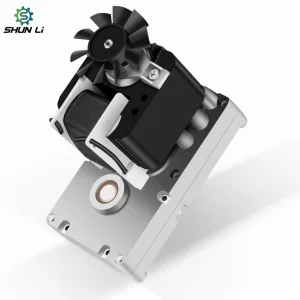
Heavy-Duty & Custom Actuation Systems
High-torque DC motors, shaded pole configurations, and advanced planetary gearboxes built for industrial applications.