 Valex Motor
Key Motor Systems for the Australian Industrial Sector
Engineered for extreme performance, optimized compatibility, and rugged operation across Australian environments.
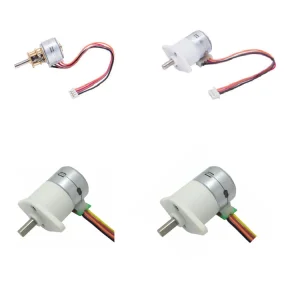
Australia Standard 12V High-Resistance Stepper Motor 15mm 10 Ohm for Medical Electronics
View Specifications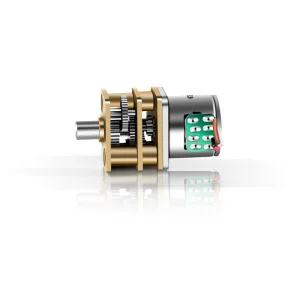
Brisbane Heavy-Duty 1000 Pps GM12-15BY Stepper Motor 5V 12V for Laboratory Pumps
View Specifications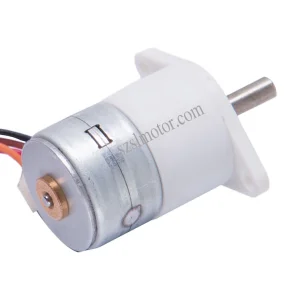
Adelaide Series GM12-15BY 5V DC Micro Stepper Gear Motor with High-Torque Gearbox
View Specifications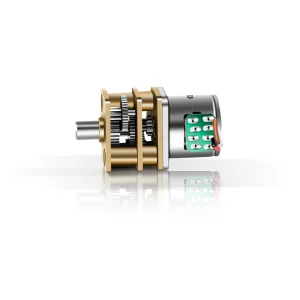
Melbourne Rugged 5V Security System Micro 15mm Stepper Motor for Outback Surveillance
View SpecificationsNavigating the Modern Drive System Supply Chain: Servo & Stepper Motors
An engineering whitepaper on efficiency, localization, and technical integration for the Australian market.
1. The Australian Industrial Landscape: A Demand for Resilient Automation
Australia's unique economic structure presents both distinct challenges and high demands for automated technologies. While historically reliant on resources and primary agriculture, the country is witnessing an aggressive push toward intelligent localized assembly, advanced medical instrumentation, defense innovation, and precision agricultural technology. Across New South Wales, Victoria, and Western Australia, the integration of stepper and servo motors into local manufacturing systems has accelerated.
In Australian operations, durability under harsh environments is paramount. Stepper and servo motors deployed in agricultural telemetry, environmental sensing, mining automation, and coastal logistics must endure wide temperature swings, dust ingress, and corrosive atmospheres. For instance, sub-assembly component designs for the Murray-Darling agricultural IoT systems require miniature motors that maintain torque density without overheating in typical peak outback heat exceeding 45°C. Thus, local engineers demand strict adherence to specifications and design robustness that off-the-shelf motors rarely provide.
"For Australian system integrators, the cost of field failures in remote areas like Western Australia's Pilbara region or the Queensland interior outweighs the initial procurement cost by orders of magnitude. Field reliability is the primary design metric."
2. Global Industrial Trends: The Era of Precision, Efficiency, and Micro-Automation
On a global scale, the micro motor industry is undergoing a paradigm shift driven by Industry 4.0. The demand is no longer just for raw power, but for intelligent, energy-efficient, and spatially optimized movement. Applications ranging from surgical robotics, defense unmanned systems, to smart building HVAC dampers require compact brushless motors and hybrid stepper systems that interface natively with modern microcontrollers and digital networks.
Key global parameters shaping this shift include:
- Energy Efficiency Standards: Stricter global rules dictate high operational efficiency. Our permanent magnet motors are optimized to reduce copper losses and maximize magnetic flux utilization.
- High Torque-to-Volume Ratios: In robotics and medical devices, space is at a premium. Micro stepper motors paired with planetary gearheads (such as our 12mm and 15mm lines) achieve remarkable holding torque profiles in sub-miniature form factors.
- Digital Integration: High-resolution encoders, closed-loop controllers, and real-time feedback systems are replacing traditional open-loop steps to prevent step-loss and improve positioning safety.
3. The Chinese Manufacturing Core: Scaling Precision and Quality Control
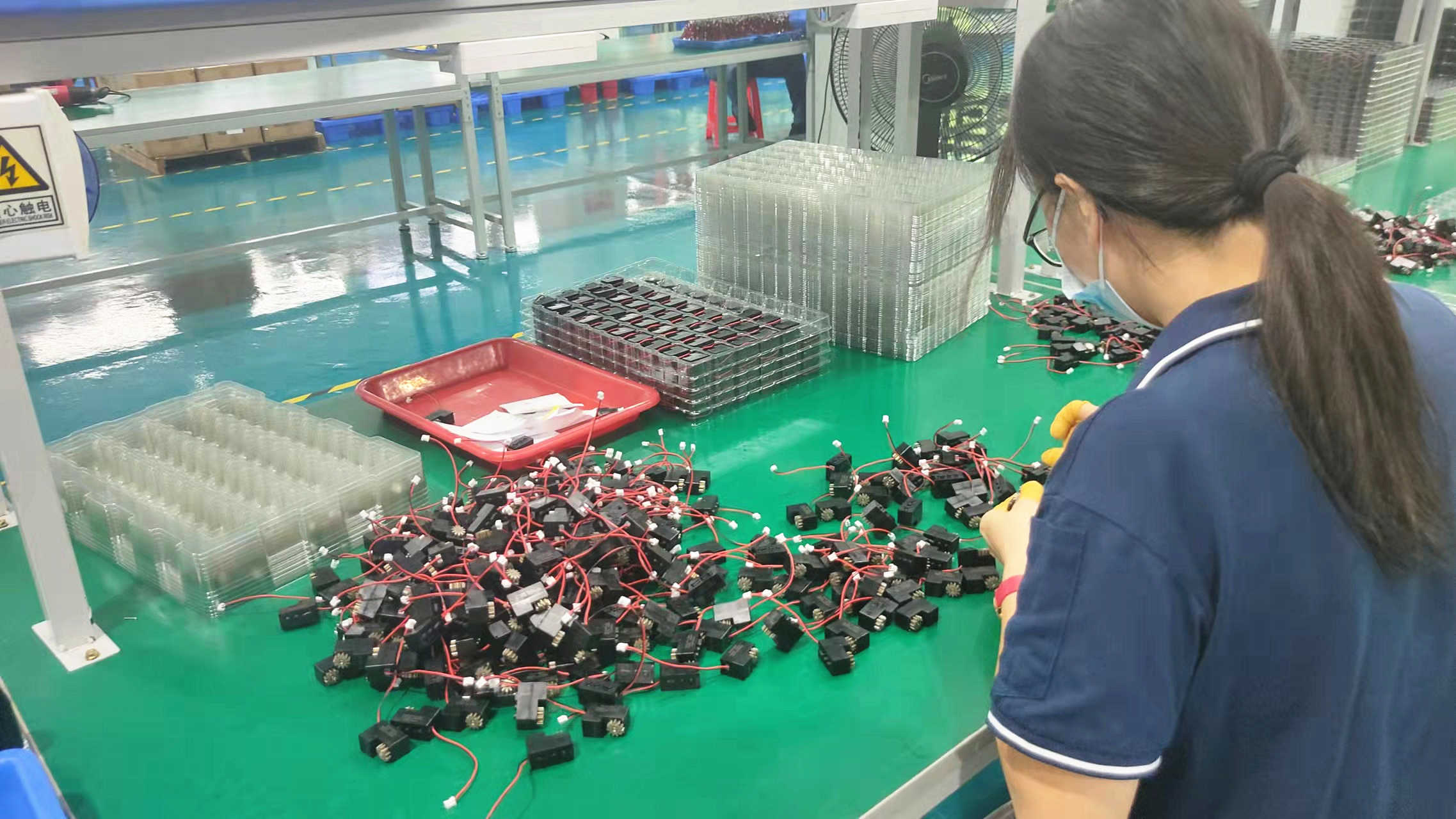
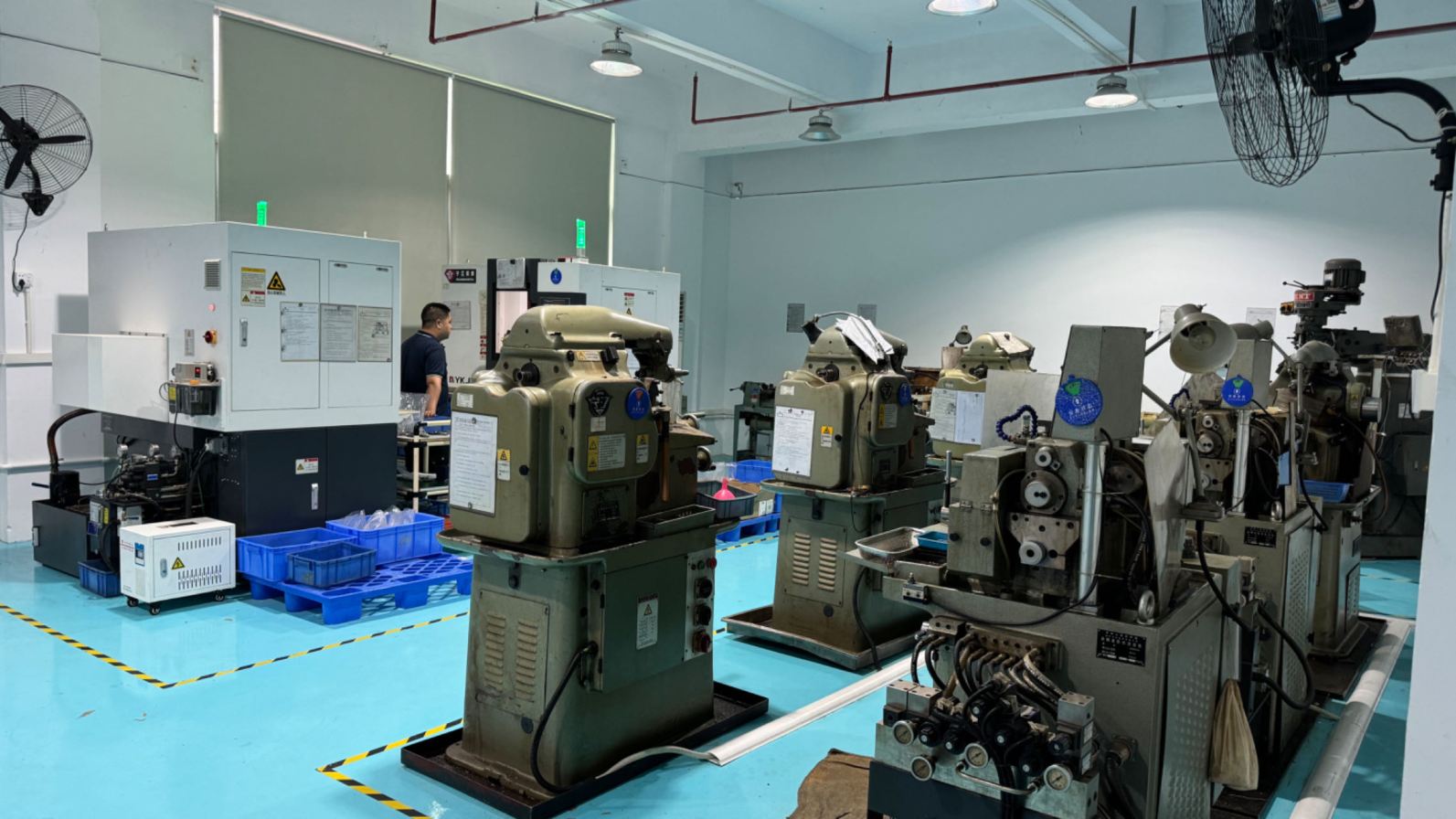
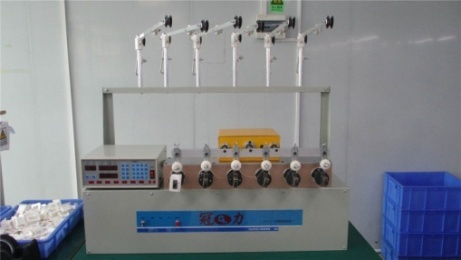
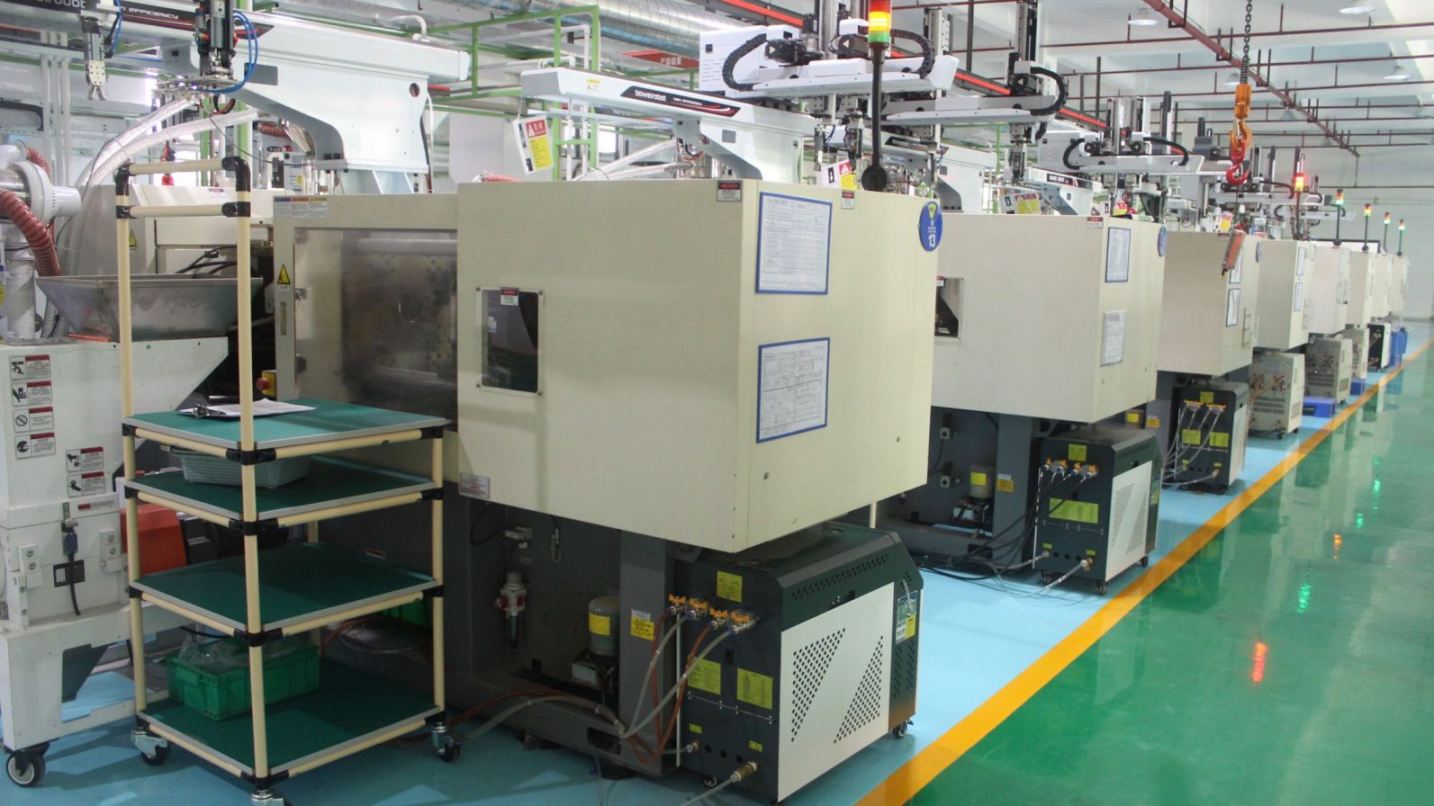
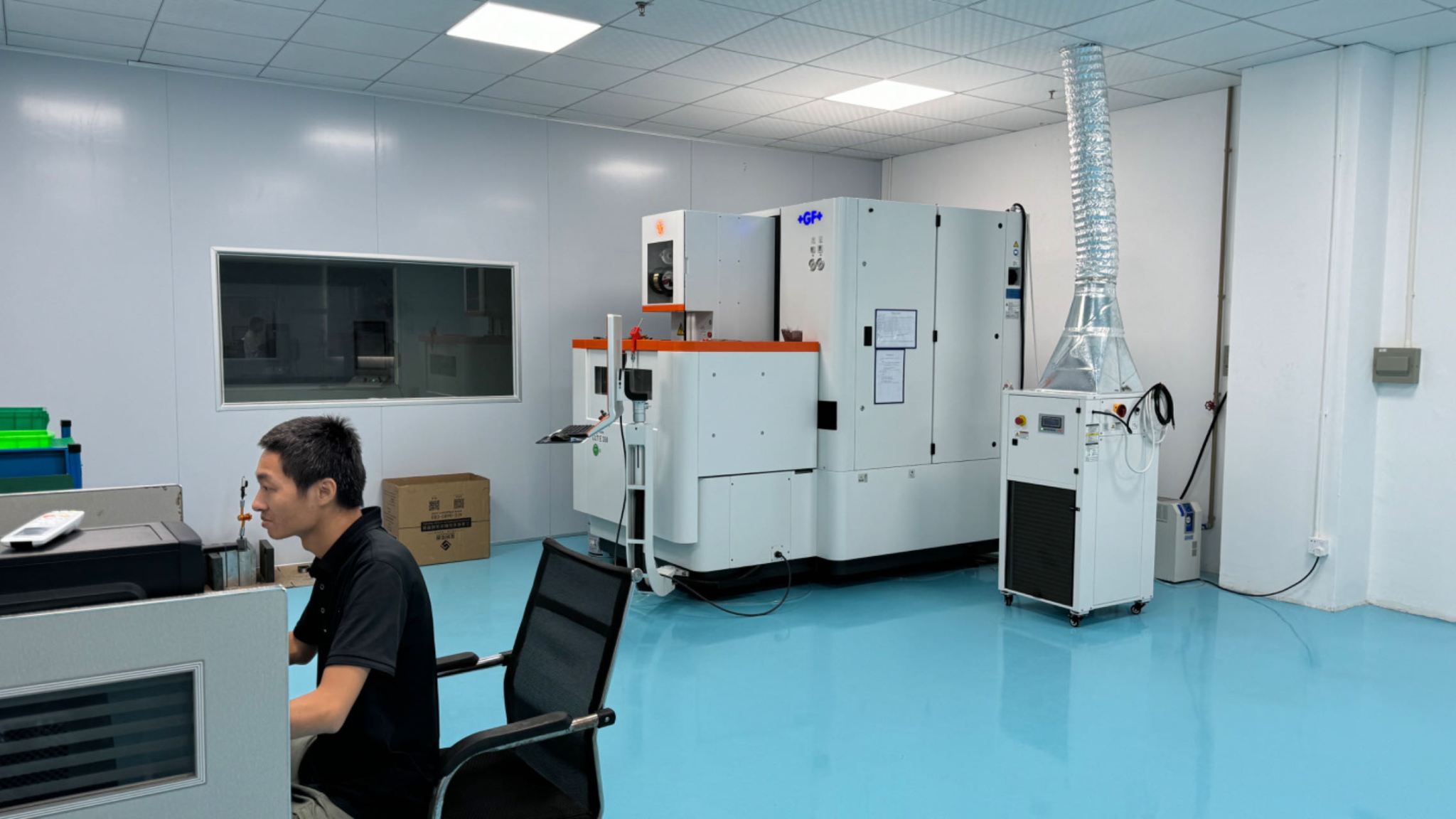
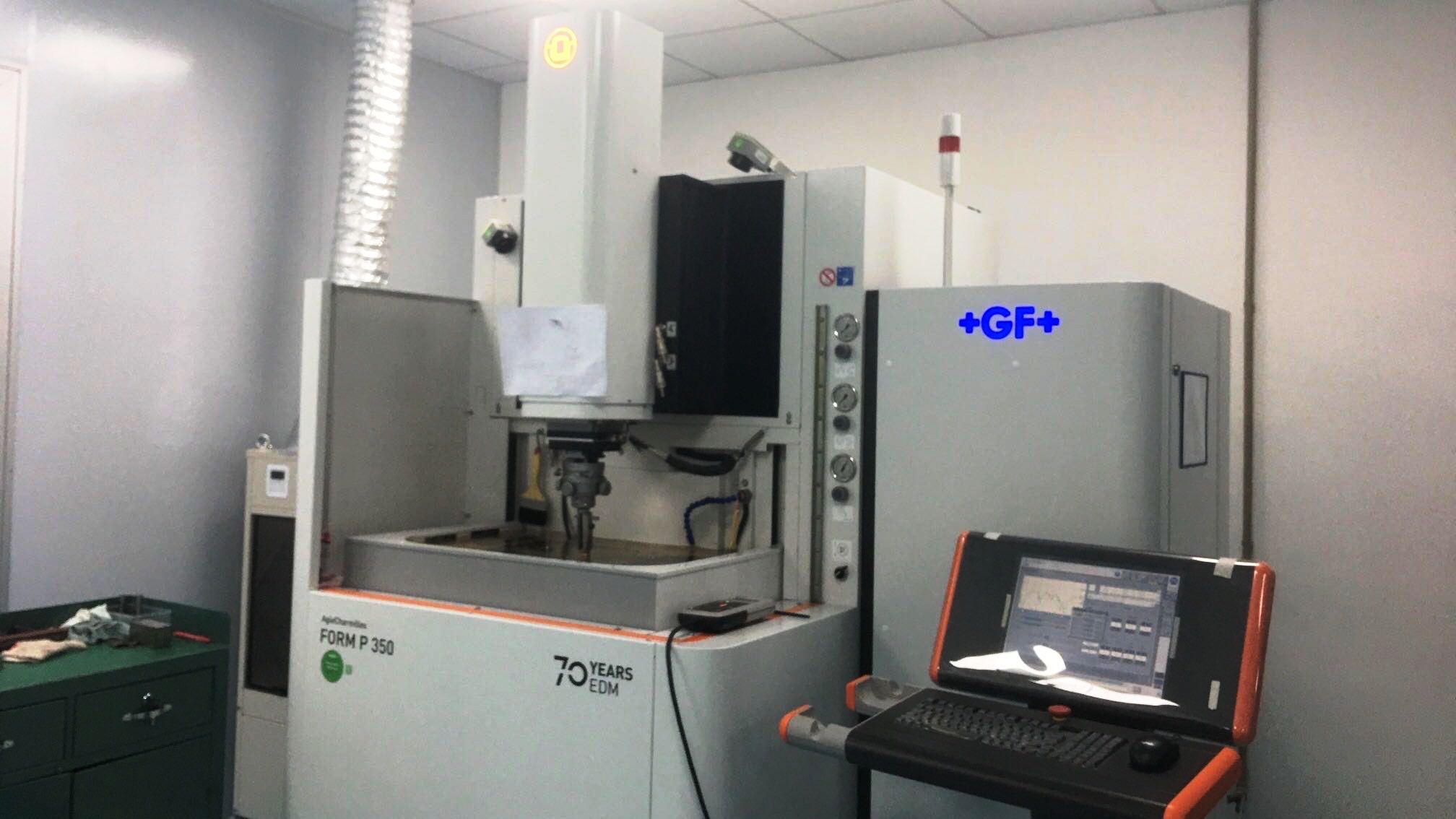
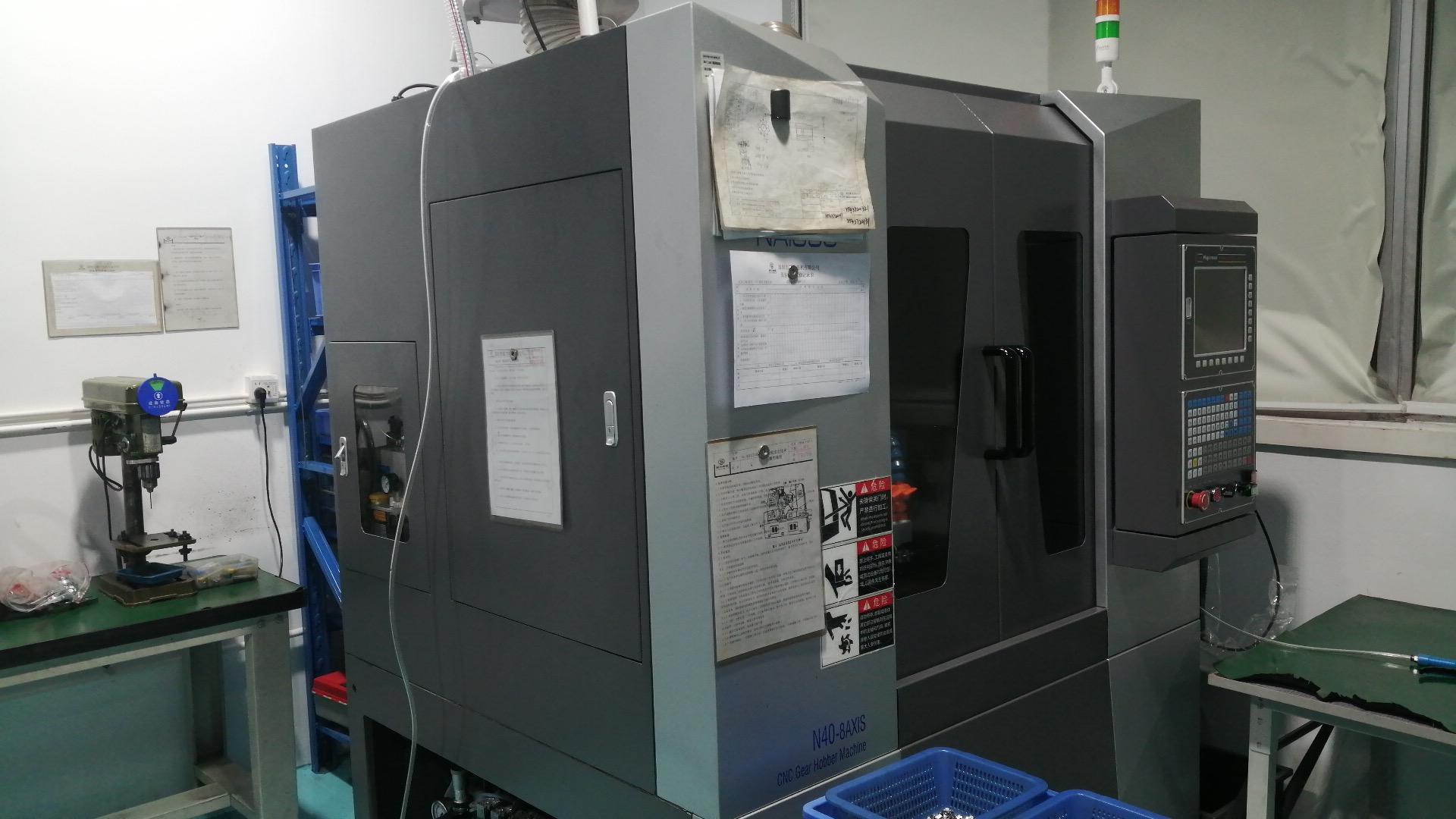
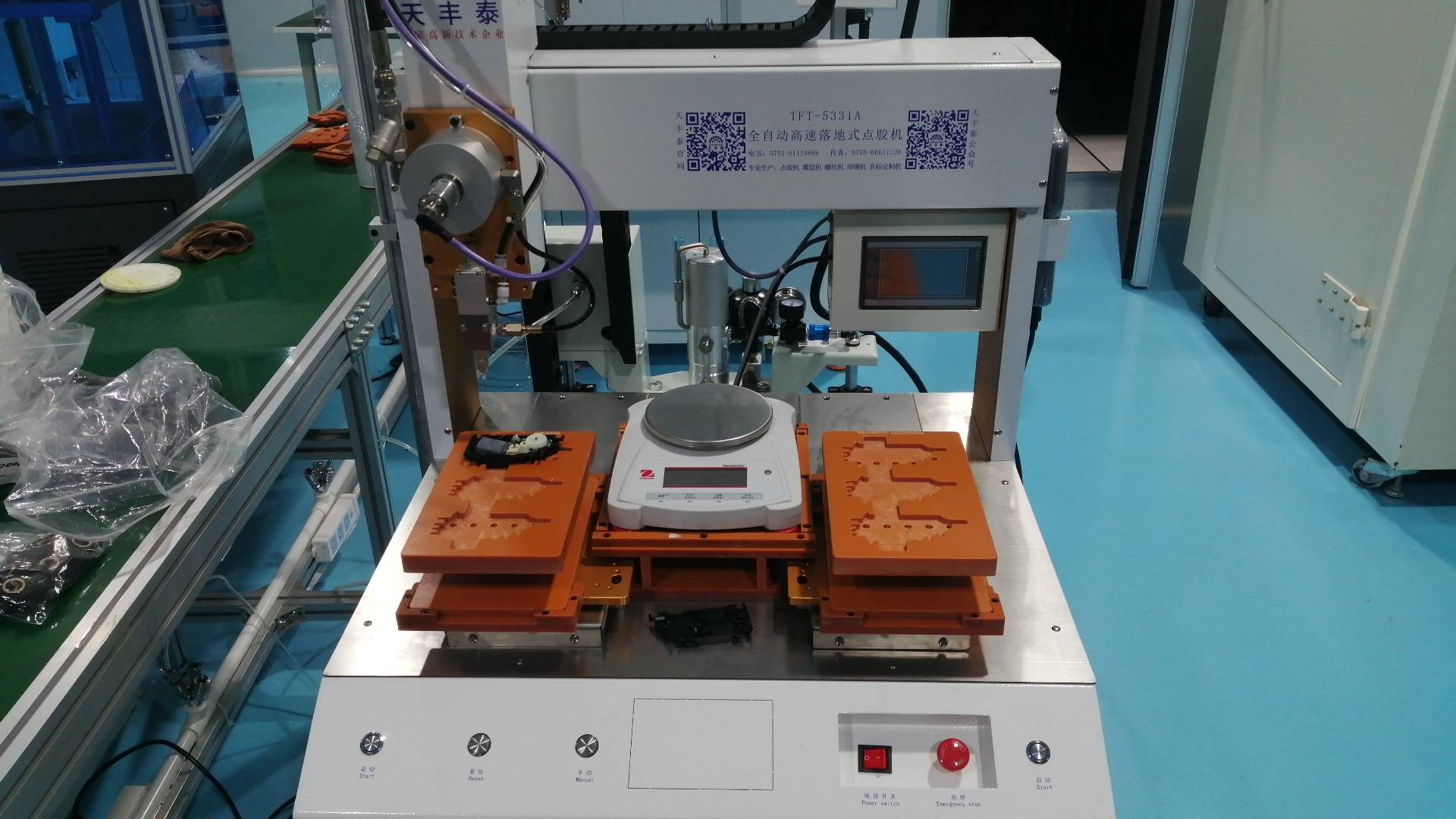
As a leading Chinese designer and manufacturer, Valex Motor bridges the gap between high-precision design and cost-effective volume manufacturing. The advantage of a direct-from-source Chinese facility lies in our mature supply chain, rapid tooling capabilities, and specialized production machinery. By managing everything from design and gear-hobbing to terminal wiring and final quality assurance, we ensure consistent quality at scale.
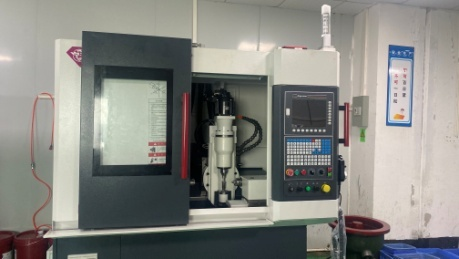
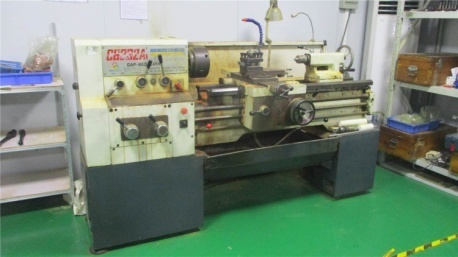
Our facility leverages state-of-the-art lathing, horizontal gear hobbing (using Ningjiang machine tools), and computerized wire winding to ensure that batch-to-batch variation remains negligible. This is particularly crucial for stepper motors, where minor deviations in pole geometry, coil alignment, or bearing seating can result in excessive resonance, acoustic noise, and premature bearing failure. Valex Motor's 20-year manufacturing heritage provides the process controls required to achieve zero-defect quality before export.
Valex Motor: Industrial-Grade Micro Motors Built for Reliability
Looking for a transparent, direct-from-source China factory to secure your miniature motor supply chain without the middleman markups? Valex Motor is engineered for your peace of mind. We deliver world-class precision drives directly from our manufacturing floors to global production lines under strict zero-defect quality control.
The Valex Motor Advantage at a Glance:
- 20+ Years of Manufacturing Integrity: Established heritage ensuring mature automated production lines and perfectly repeatable batch consistency.
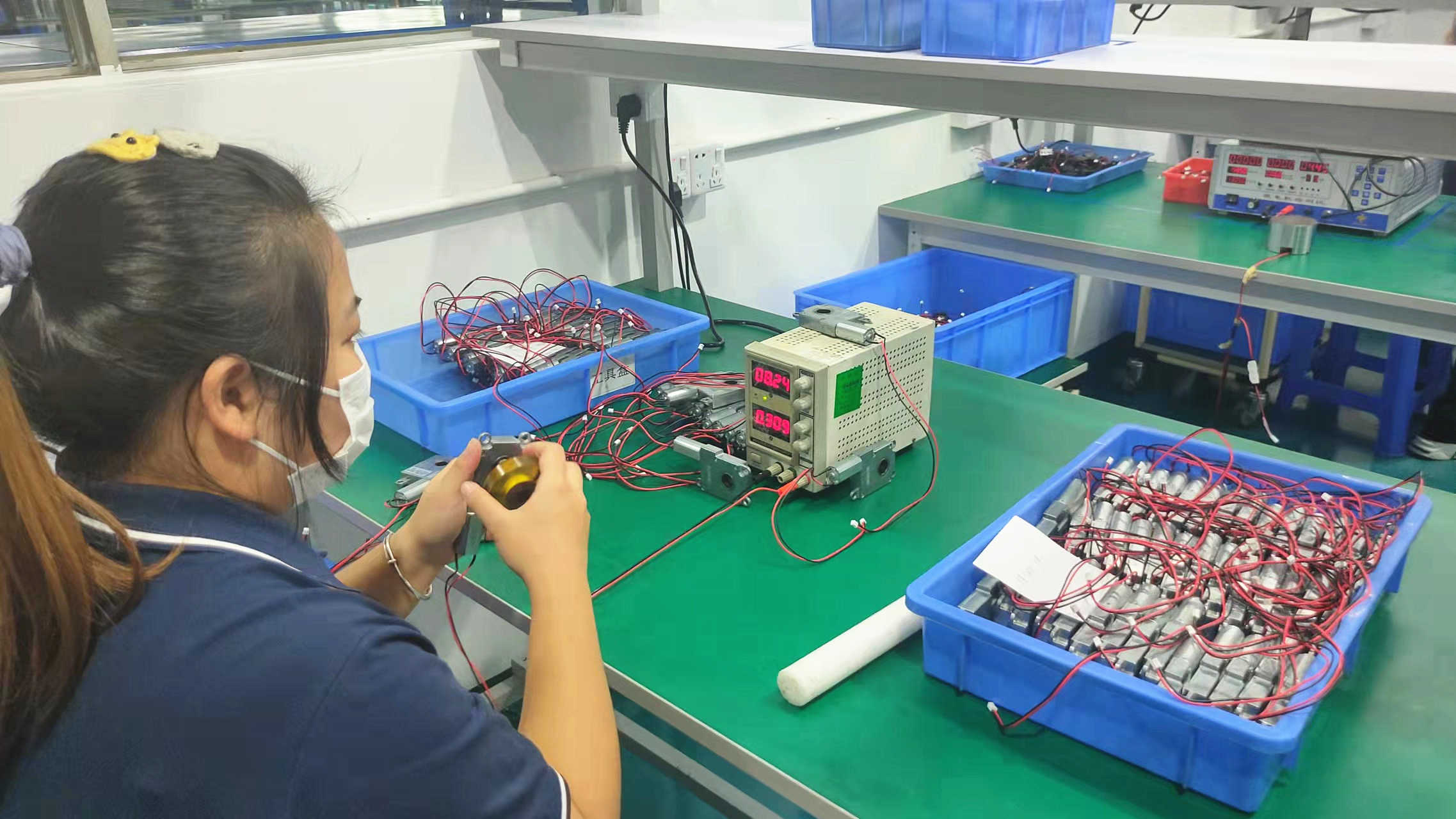
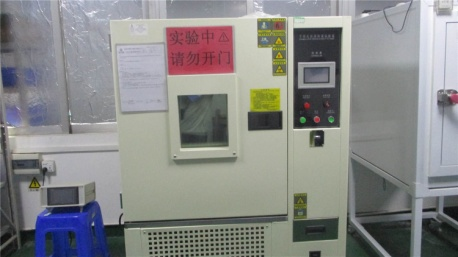
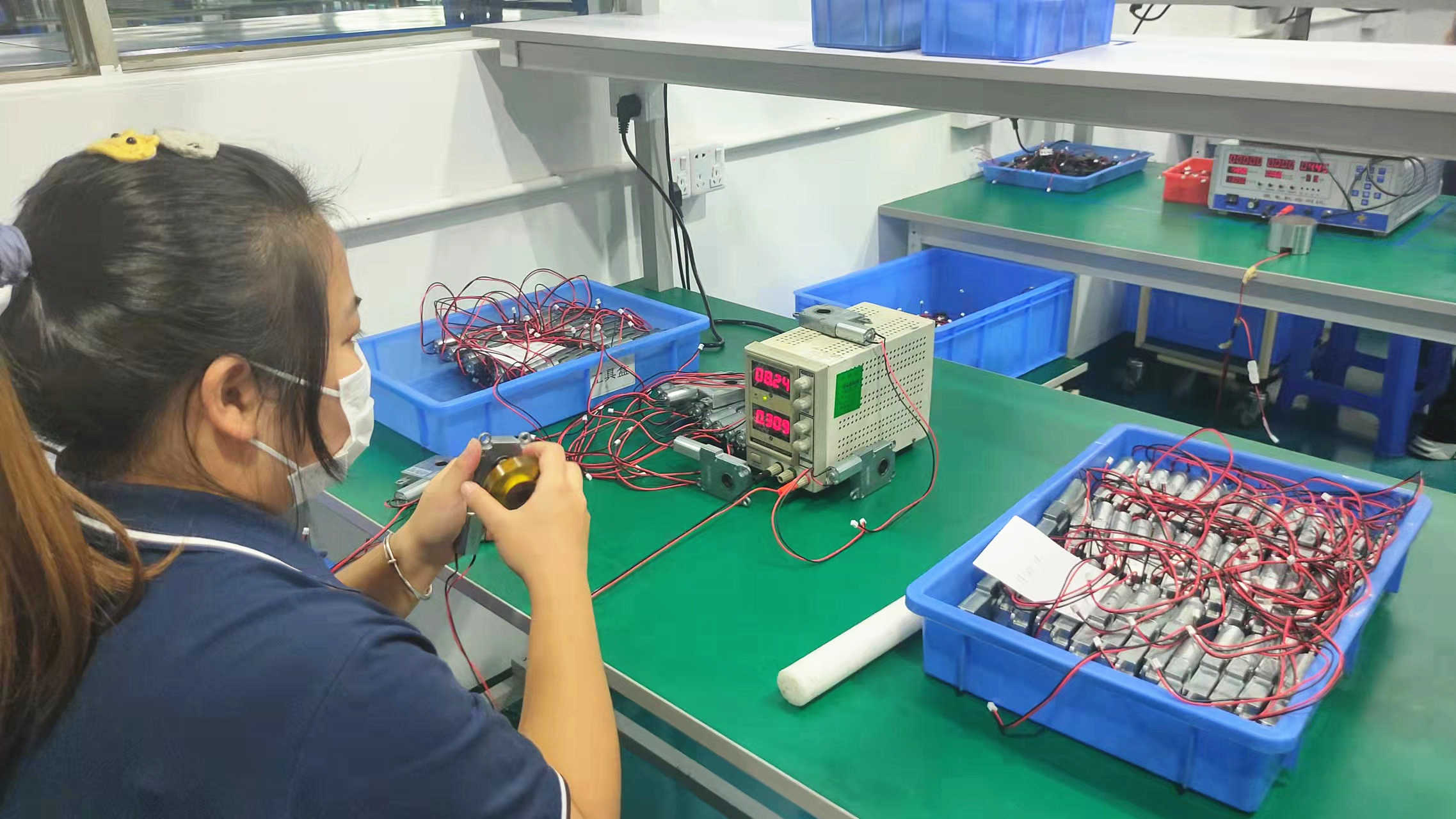
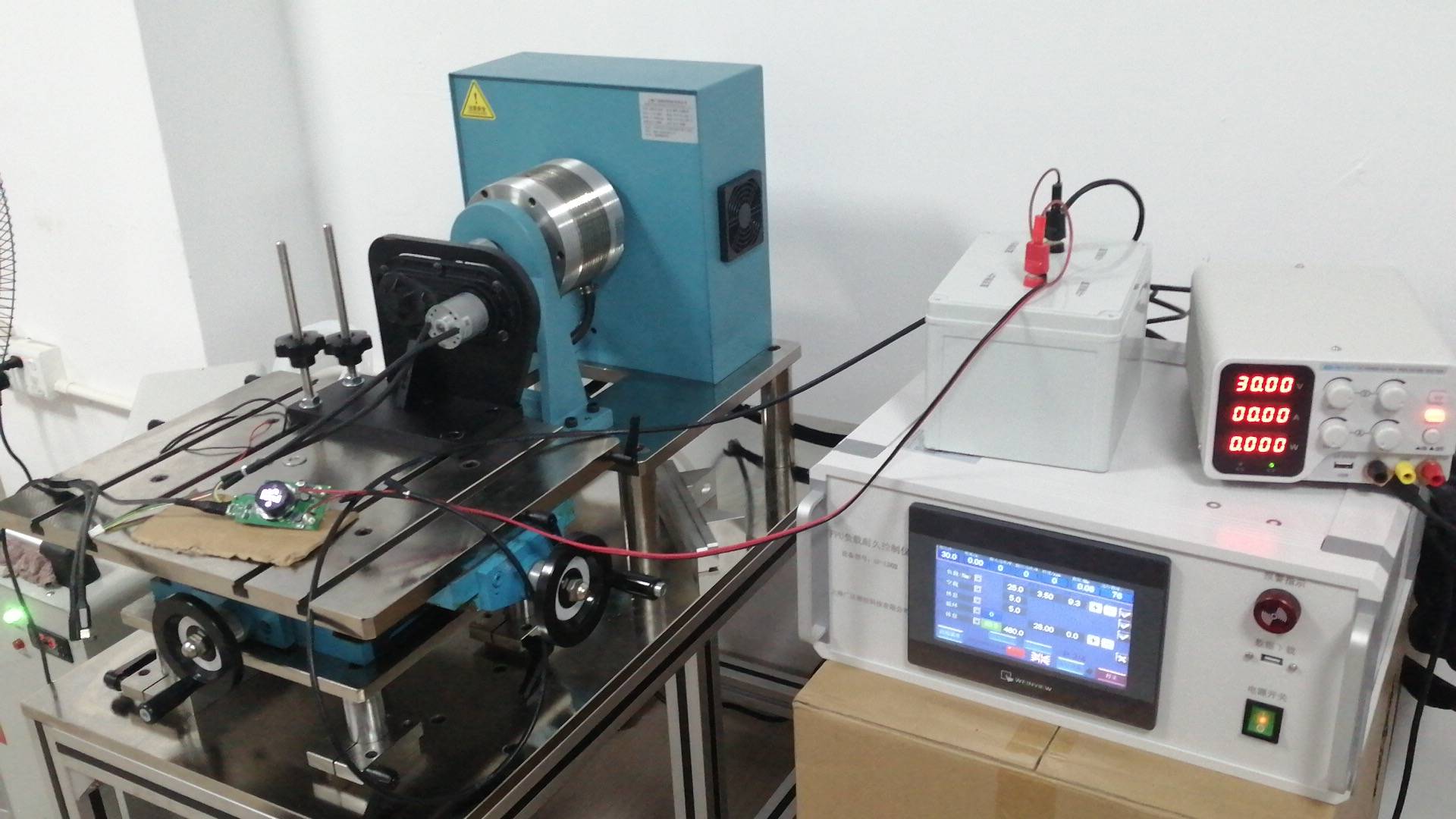
- 100% In-House Performance Testing: Every single motor is rigorously tested for torque, speed, and acoustic noise under industrial loads before shipping.
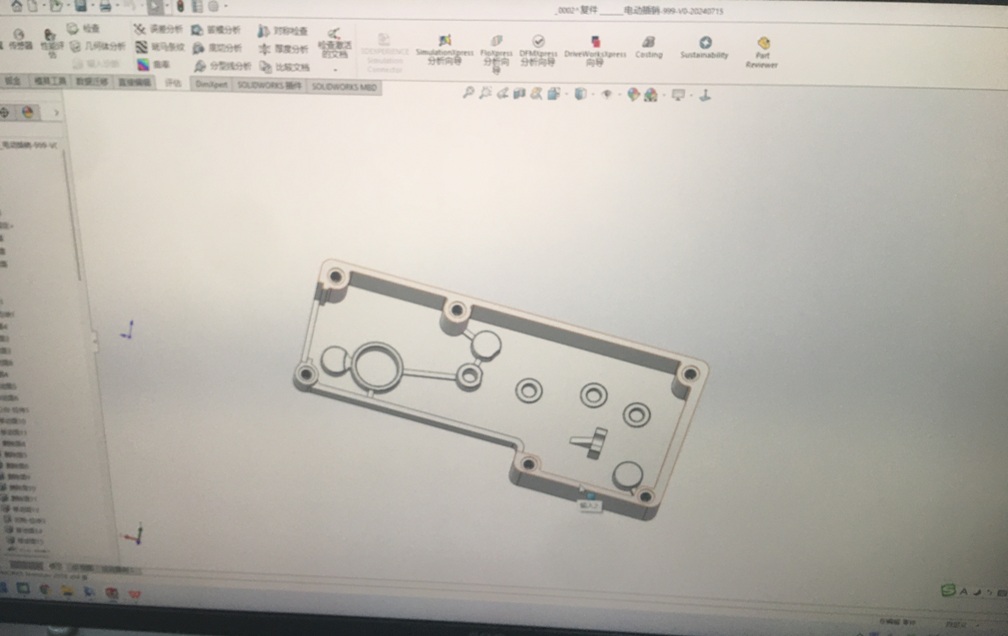
- Rapid Custom Prototyping: We modify shafts, gearheads, wire harnesses, and encoders to fit your housing perfectly.
- Global Compliance Ready: All products are built fully compliant with international CE, RoHS, and REACH safety standards.
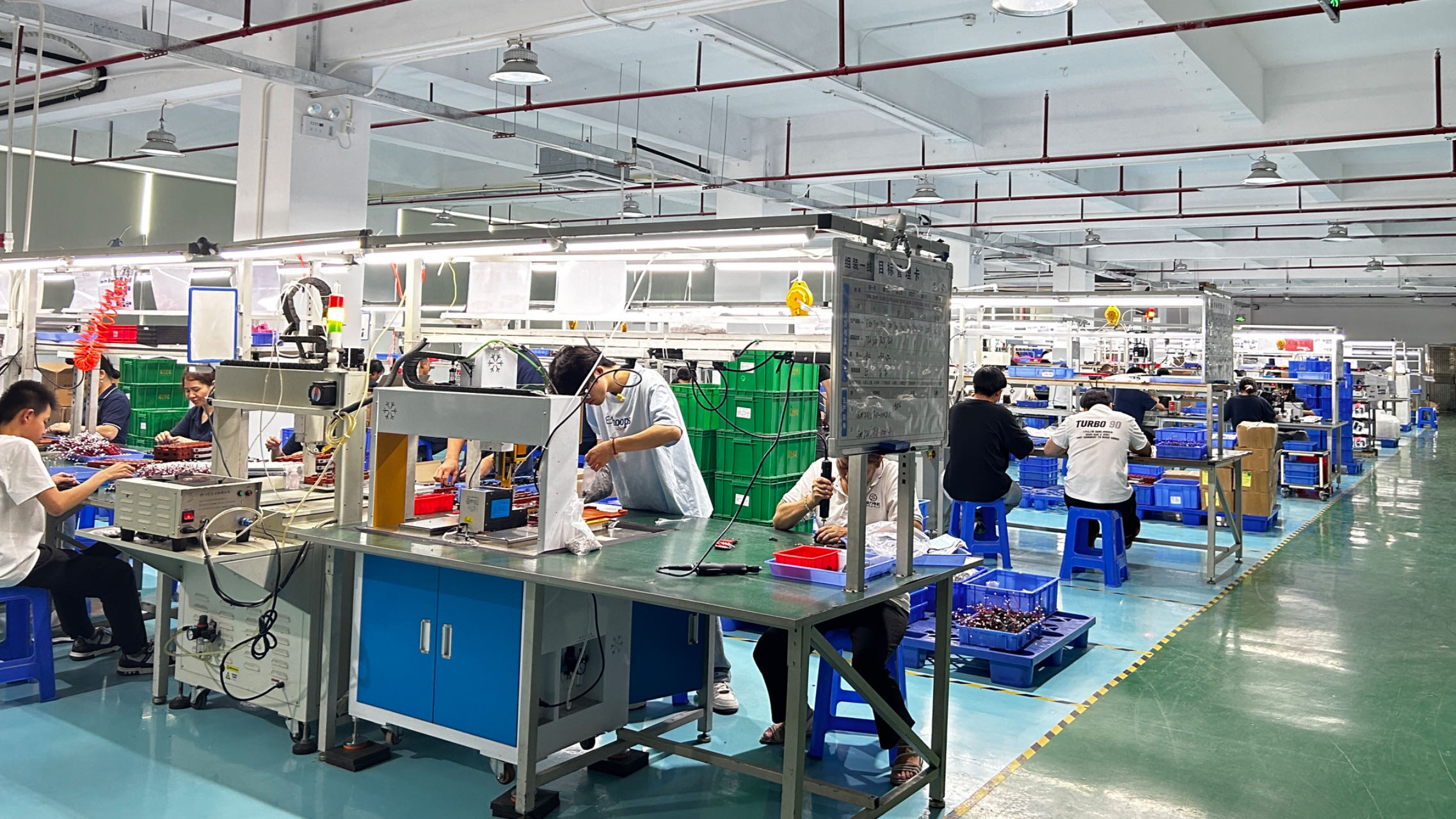
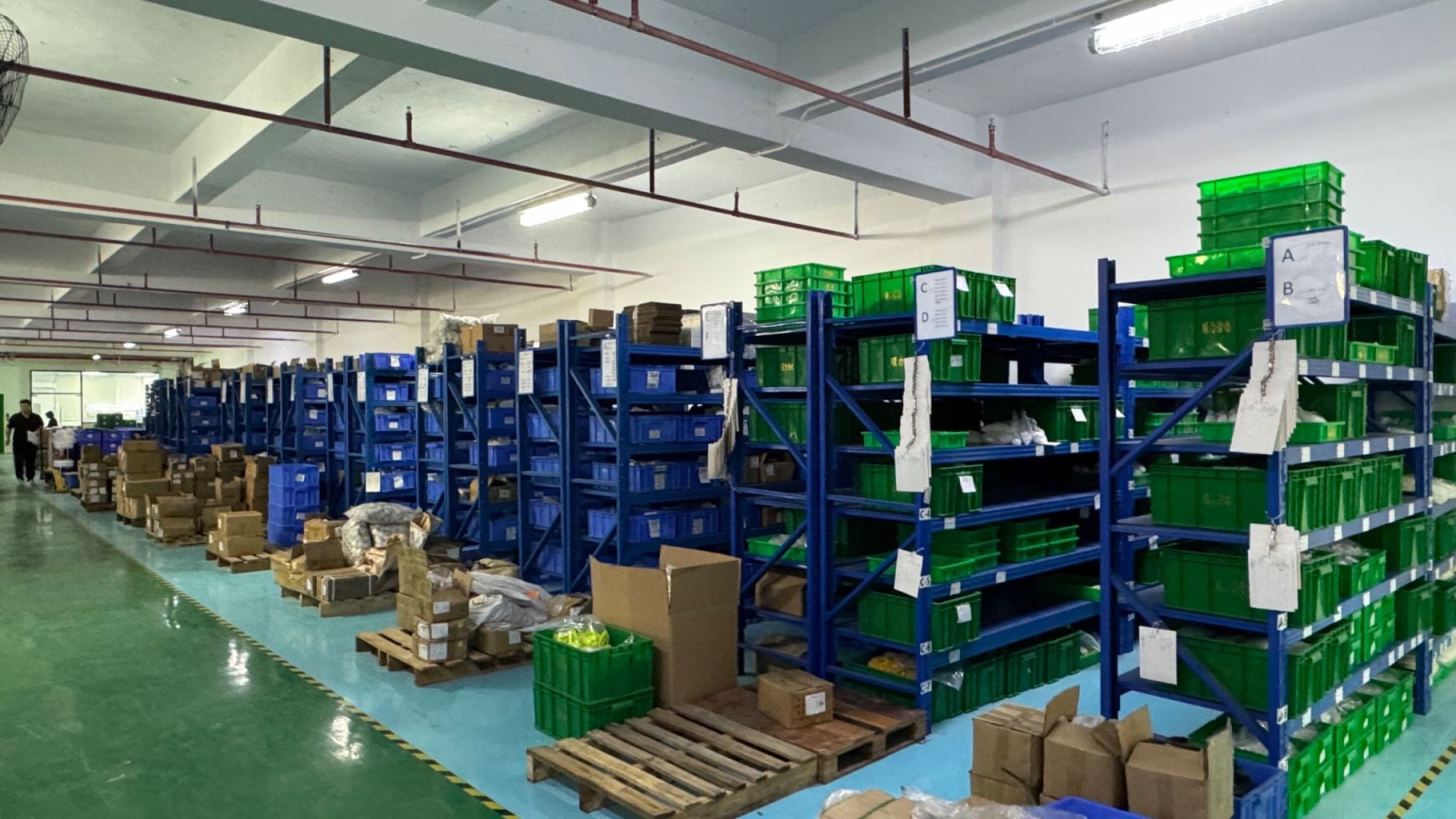
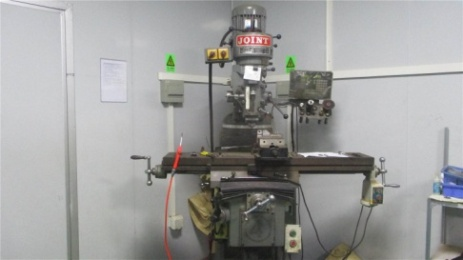
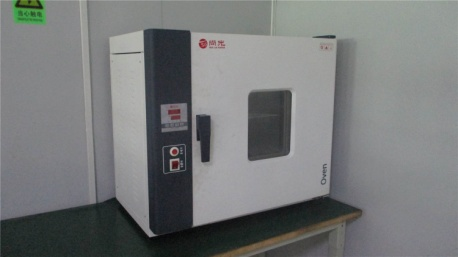
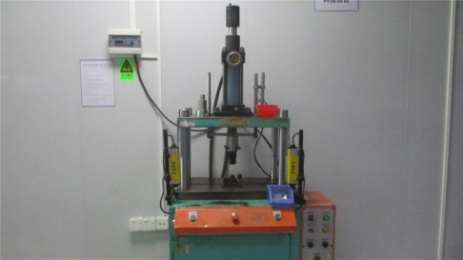
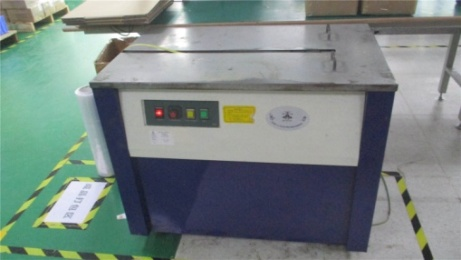
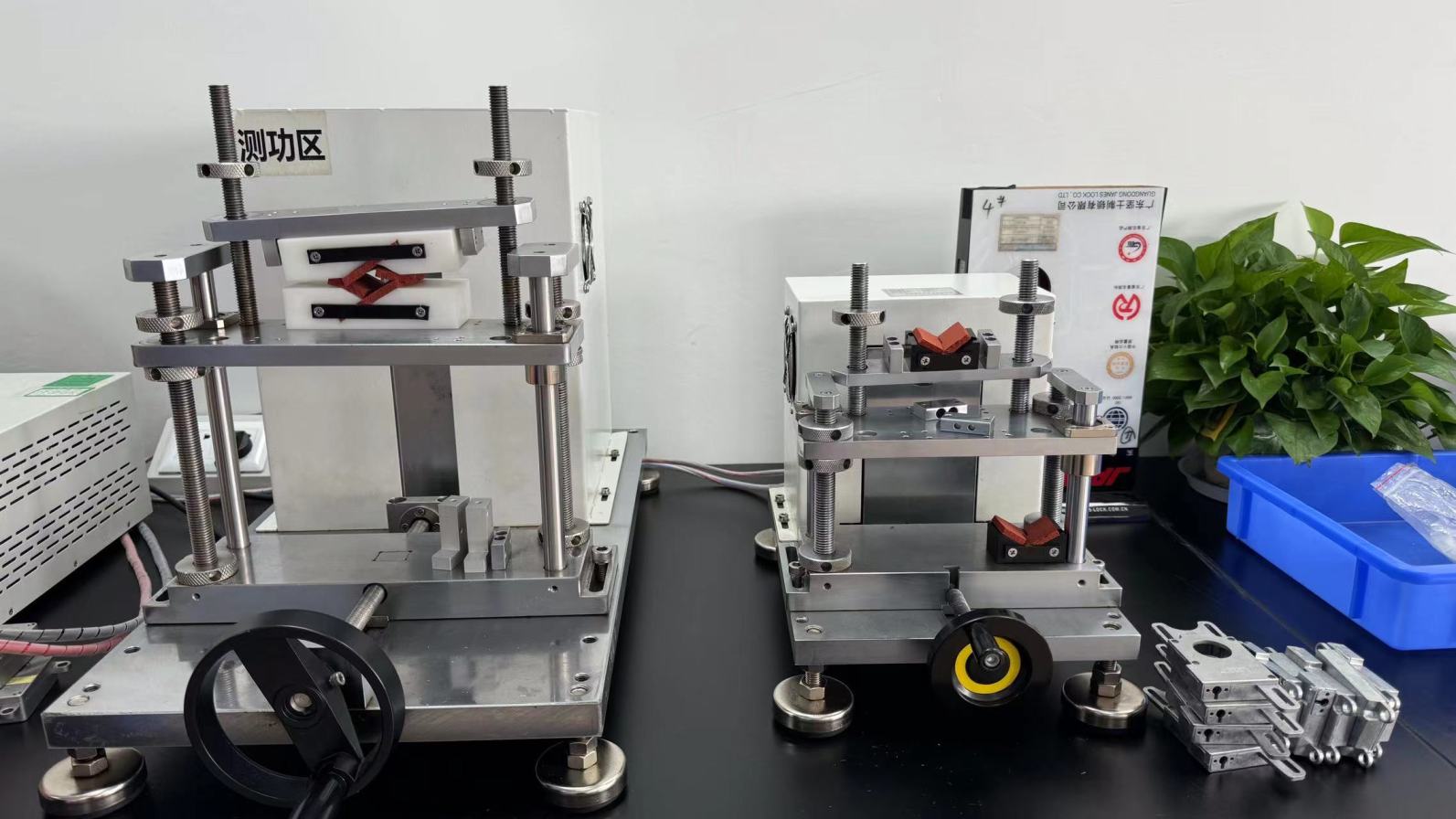
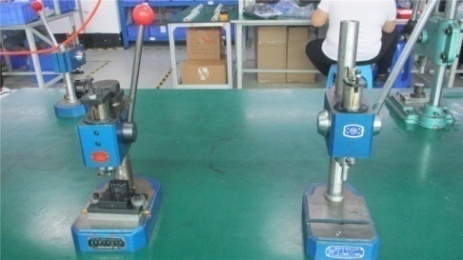
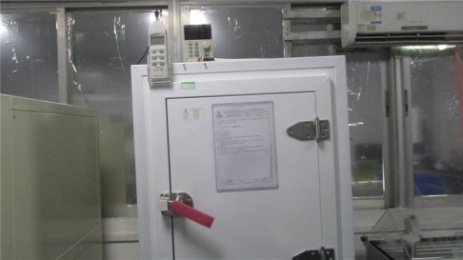
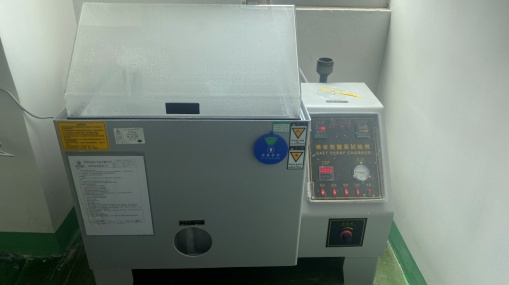
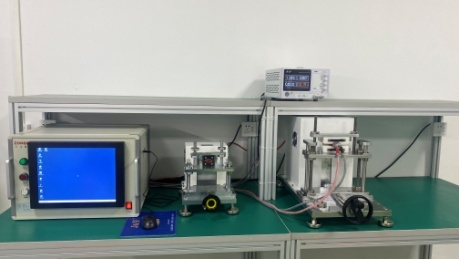
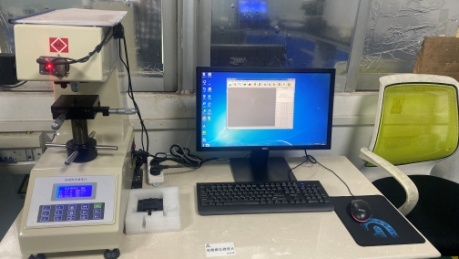
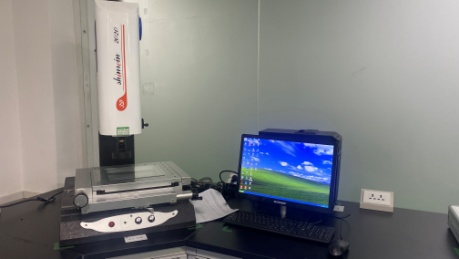
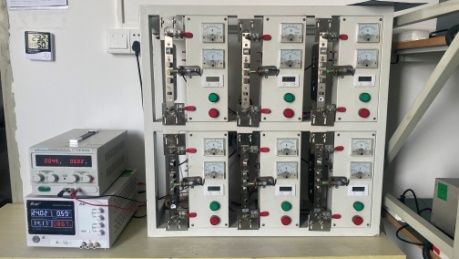
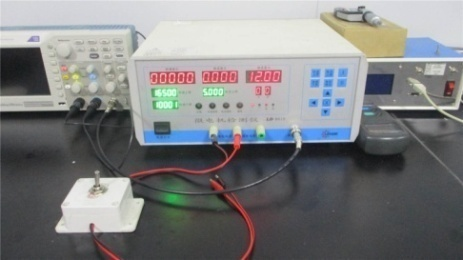
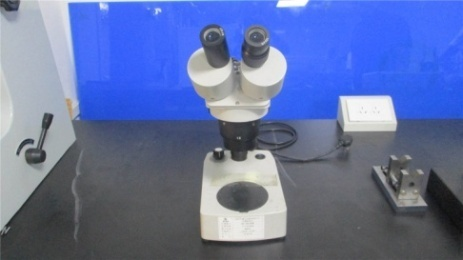
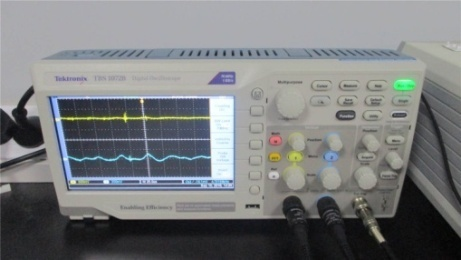
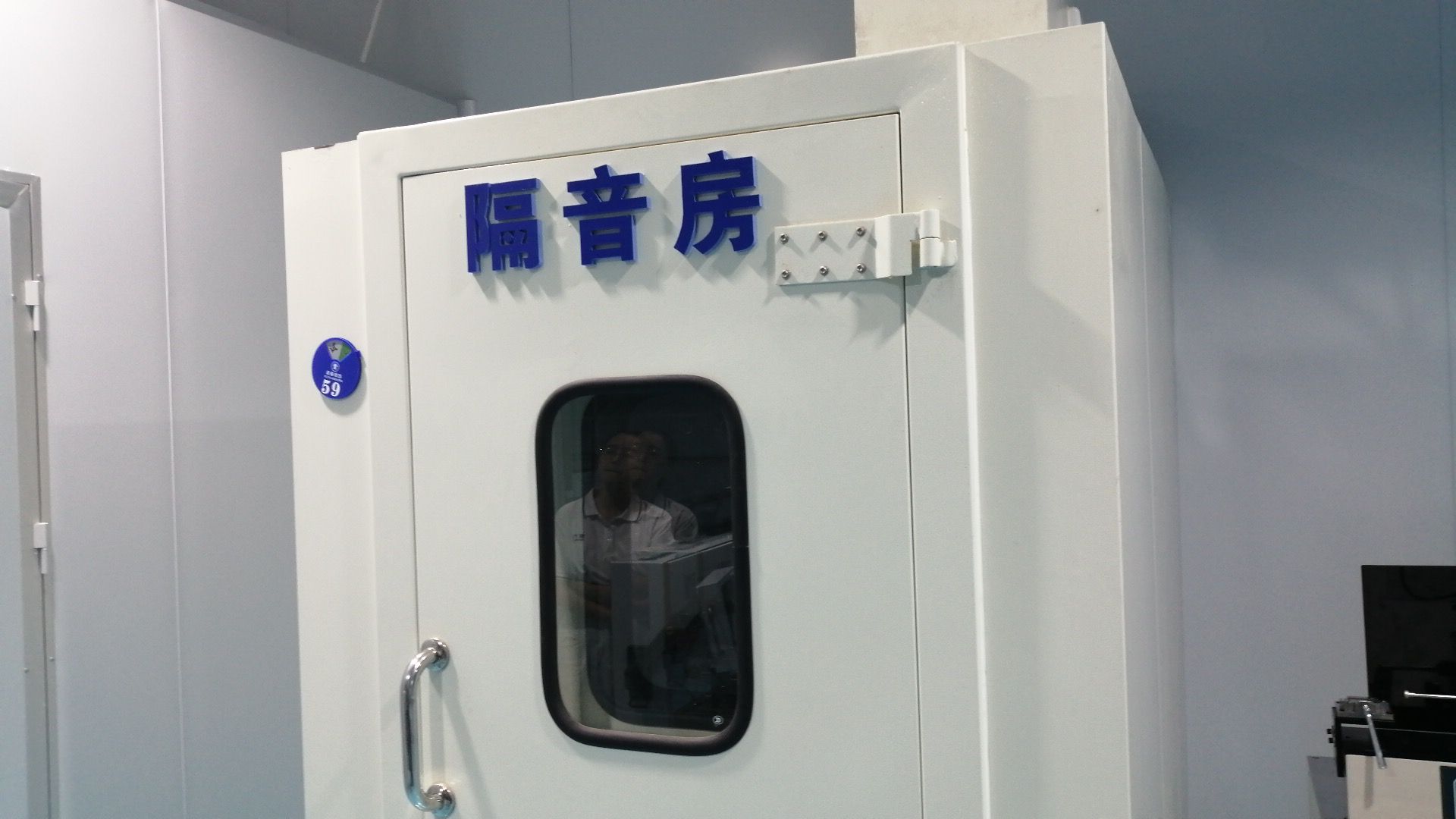
Our Advanced Manufacturing & Testing Facilities
A look into our vertically integrated facilities, testing chambers, and precision CNC machinery.
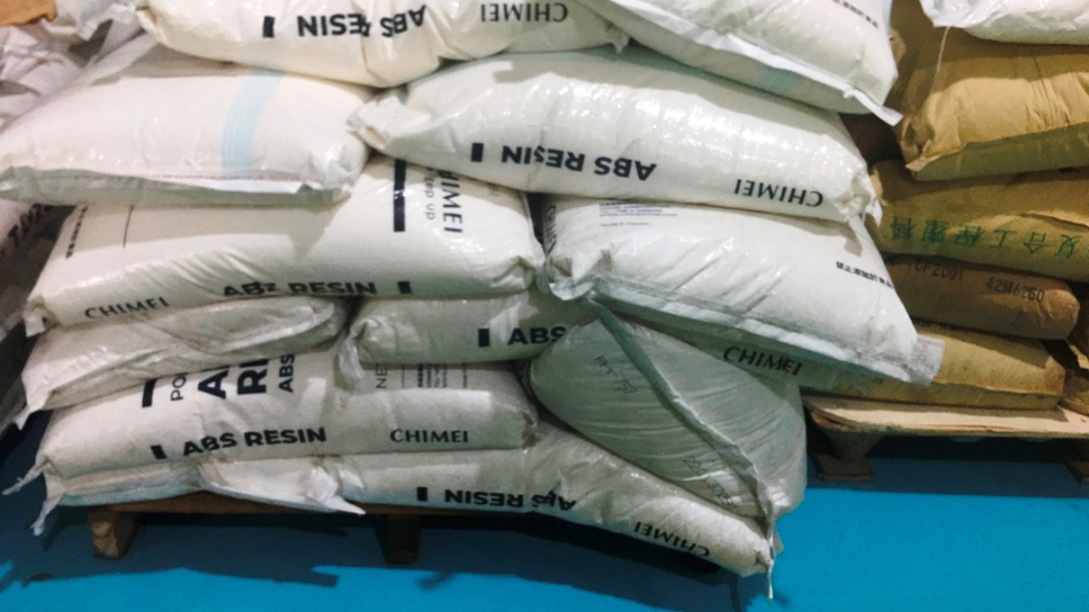
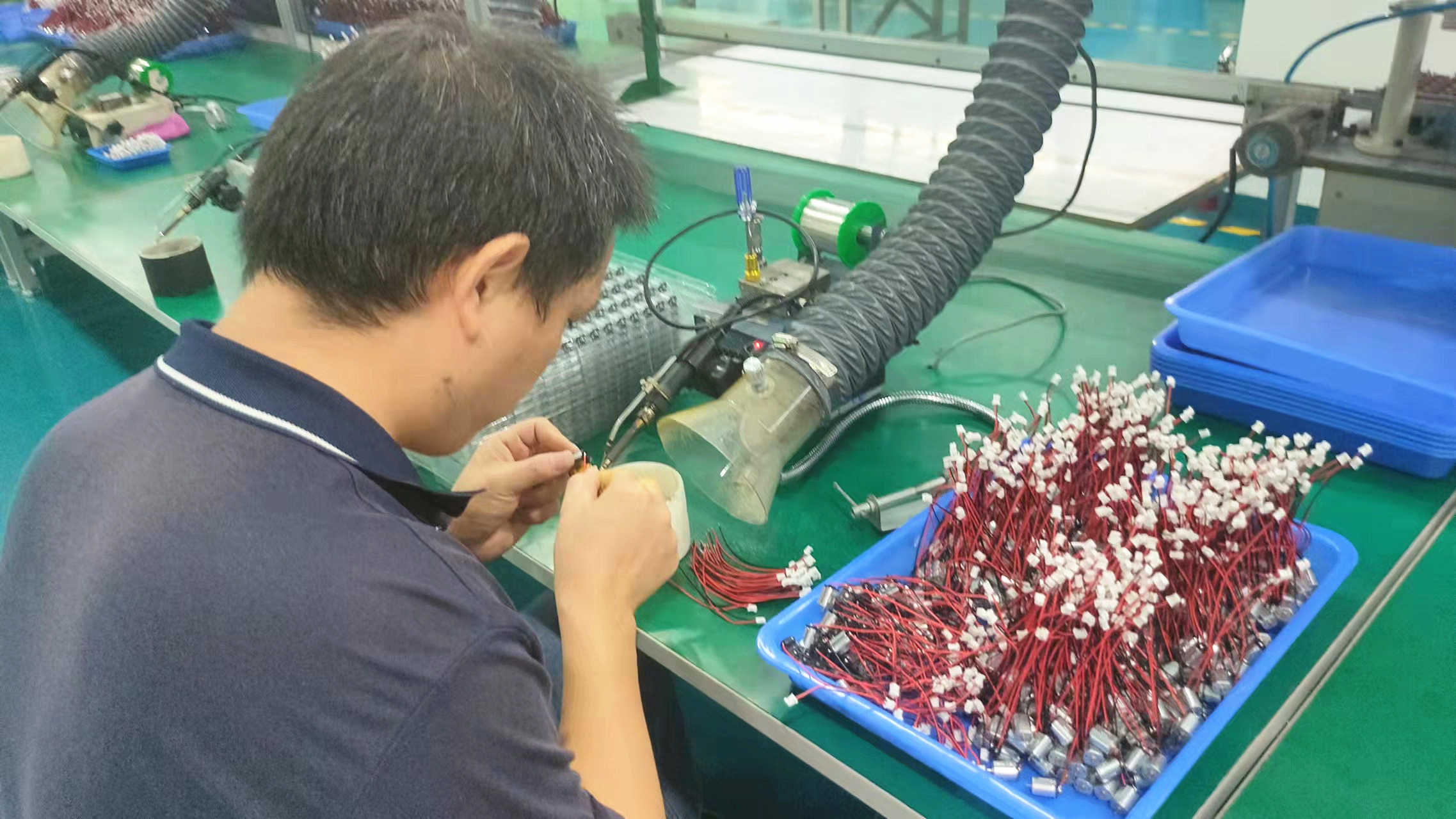
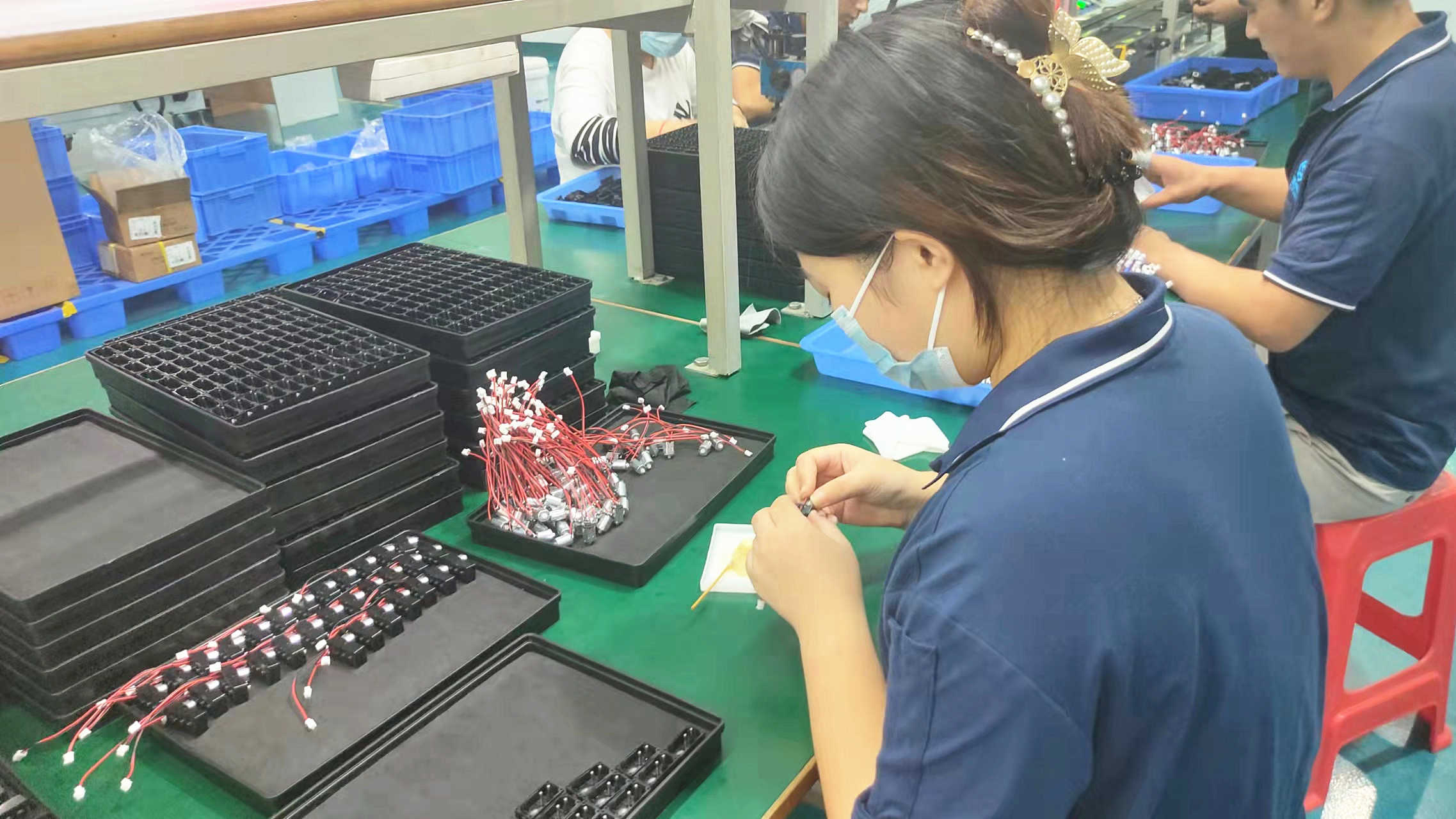
4. Localized Application Scenarios Across Key Australian Industries
Understanding user intent and application-specific parameters is the core of our engineering philosophy. Here is how Valex Motor drive solutions solve localized engineering problems within Australia:
Medical Equipment (Melbourne & Sydney)
Our micro stepper motors (e.g., 10mm and 12mm lines) are integrated into automated infusion pumps, microfluidic analyzers, and lab diagnostics equipment requiring step-perfect dosing control.
HVAC & Smart Buildings
Integrated micro gear motors actuate air dampers, valve controllers, and smart building zones. They must operate quietly and withstand continuous torque loading for years without service.
Agri-Tech & Outback Robotics
Robotic harvesting, autonomous weed-detection machinery, and variable-rate seeding units utilize high-torque gear motors to withstand mechanical shock and vibrations.
5. Strategic Engineering Solutions: Addressing Backlash and Positioning Accuracy
In mechanical design, the choice between stepper and servo motors is dictated by dynamic torque and positioning constraints. Stepper motors are highly effective for constant positioning applications without requiring expensive encoder loops, provided the load characteristics are carefully mapped to prevent resonance. However, in applications where the motor faces variable load profiles, backlash in the gearbox can degrade performance over time.
At Valex Motor, we address these challenges through two main engineering strategies:
- Zero-Backlash Gearbox Manufacturing: Our gearboxes are milled and assembled with tight tolerances, using reinforced plastic or metal gears depending on the application's torque. This minimizes backlash in applications like electronic valve actuation and security camera positioning.
- Custom Coil & Resistance Matching: We match motor winding resistance (ranging from 10 Ohms up to 50 Ohms and beyond) to our customer's driver electronics. This optimizes current draw, minimizes heat generation, and ensures high torque retention at target operating speeds.
6. Compliance and Standardization for the Oceania Region
To successfully import and integrate electrical components into the Australian and New Zealand markets, manufacturers must meet regional compliance standards. All Valex Motor stepper and servo motors comply with RoHS directive standards, ensuring they are free from harmful substances such as lead, cadmium, and mercury. Our manufacturing processes also conform to CE guidelines. Additionally, we provide full support to our Australian clients to help them achieve RCM (Regulatory Compliance Mark) compliance, providing detailed testing records and material certifications.
Our Complete Direct-from-Factory Product Line
Explore our full line of stepper, geared, and custom planetary drive systems optimized for Australian applications.
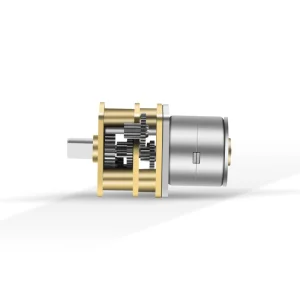
Australia Standard 12V DC Mini Stepper Motor Controller with Custom 10-50 Ohms Permanent Magnet Control
View Details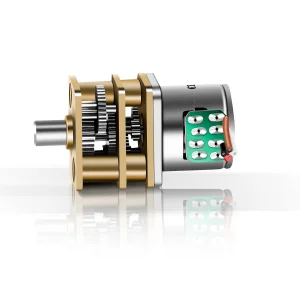
Sydney Smart Valve GM12-10BY Non-Captive Stepper Gear Motor 5V for Industrial Water Regulators
View Details
Australia-Spec 3V 5V DC Micro Stepper Geared Motor with High-Torque 12mm 800gf.cm Vending Gearbox
View Details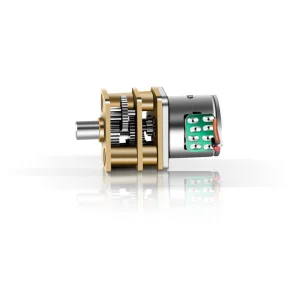
Adelaide Precision 10mm 12mm 5V Permanent Magnet Geared Motor with 1:64 High Reduction Ratio
View Details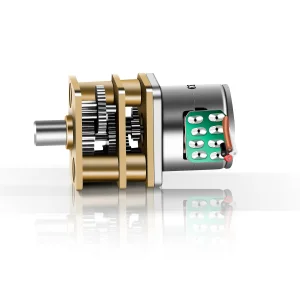
Melbourne Heavy-Duty Dual-Shaft 5V DC Door Lock Stepper Gear Motor for Automotive Air Conditioning
View Details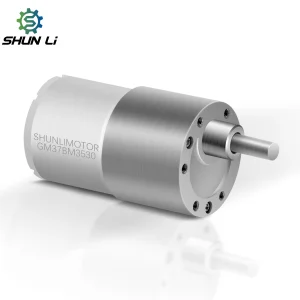
Perth Robotic Joint 12V Mini DC Brush Low RPM Exoskeleton High-Torque Gear Motor with Encoder
View Details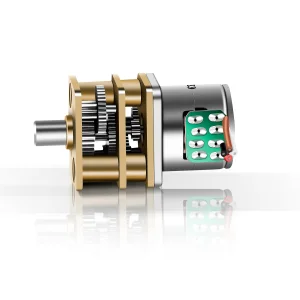
Queensland Micro Series Custom 4mm Mini Micro Stepper Vibrator Motor 3V 6V 12V 500rpm
View Details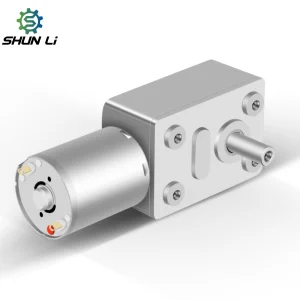
Australia Commercial Worm Gear Motor 12V 24V 26V Reduction Motor (30-100RPM) for Appliances
View DetailsTechnical Deep-Dive: Frequently Asked Questions
Answers to complex engineering questions regarding stepper and servo motors for Australian project requirements.
Q1: How does Valex Motor ensure heat dissipation in hot Australian outback climates?
We design our micro stepper and servo motors with high-grade magnetic wire and heat-resistant insulation varnishes rated to withstand high temperatures. Additionally, by optimizing internal coil resistance and phase currents, we minimize active heat generation during continuous holding torque operations.
Q2: Can your stepper motors be customized with specific shafts or gear ratios for local designs?
Yes. We specialize in custom shaft extensions (D-cut, round, keyway, or threaded), custom wiring harnesses, and custom gear reduction assemblies. Our in-house engineering team can develop functional prototypes based on your 3D CAD models (STEP/IGS format) in 7-15 business days.
Q3: What is the difference between your 5V and 12V stepper motor lines?
The voltage rating determines the optimal drive current and winding configuration. 5V motors are commonly used in USB-powered or battery-driven applications where efficiency is key. 12V motors are ideal for industrial power grids, offering higher torque output at higher rotation speeds by overcoming inductive impedance faster.
Q4: How do you control backlash in your geared stepper motor series?
We manufacture high-precision spur and planetary gearboxes using CNC hobbing machines, ensuring tight tolerances for gear engagement. For applications requiring near-zero backlash, we offer premium helical gears and pre-loaded gear assemblies designed to minimize play to less than 1 degree.
Q5: Do your micro motors conform to Australian EMC and RCM standards?
Yes. Our motors are component-level devices that comply with global CE and RoHS standards. When integrated into systems requiring RCM markings, we supply complete technical files, electromagnetic emission profiles, and material compliance certificates to support your registration process.
Q6: What testing processes do you use for noise-sensitive medical environments?
We test every batch of medical-grade motors in our dedicated soundproof decibel chamber. This allows us to measure vibration and acoustic emissions across different speeds and loads, ensuring our motors meet strict sound level requirements for clinical applications.
Q7: Can you supply stepper motors with integrated planetary gearboxes?
Yes, we provide planetary gearboxes for our 10mm, 12mm, and 15mm micro-steppers. These systems offer high efficiency and durability, making them suitable for space-constrained designs that require high torque.
Q8: How does direct factory sourcing compare to using a local distributor?
Sourcing directly from Valex Motor cuts out middleman markups, gives you direct access to the manufacturing engineers for customizations, and ensures consistent quality control. We also provide full traceability for every batch of motors shipped to Australia.
Connect with Our Engineering Team Today
Whether you need custom shafts, specific torque configurations, or compliance documentation for the Australian market, our technical sales engineers are ready to assist. Request your free design consultation and factory-direct quotation now.