 Valex Motor
Executive Insights: Sourcing the Next Generation of Silent Mechanical Drives
In modern electromechanical design, noise is no longer merely a byproduct; it is a critical metric of engineering quality, assembly tolerance, and overall system longevity. Across industries—ranging from robotic surgical joints and automotive cabin systems to high-end home automation—demands for low-decibel, high-torque operations are pushing procurement teams to re-evaluate their component supply chains.
Finding a premier silent motor supplier requires analyzing more than just theoretical data sheets. True acoustic optimization demands rigorous material selection, dynamic rotor balancing, and specialized gear tooth design. As global regulatory bodies enact stricter workplace noise controls and consumers demand near-silent domestic appliances, the strategic value of partnering with certified, vertically integrated factories has reached an all-time high.
This guide addresses the technical requirements, design methodologies, and manufacturing protocols that define top-tier silent motors. We examine the core metrics of structure-borne noise reduction and detail how direct-from-source manufacturers like Valex Motor execute strict quality assurance pipelines to deliver world-class micro-precision drives without intermediary markups.
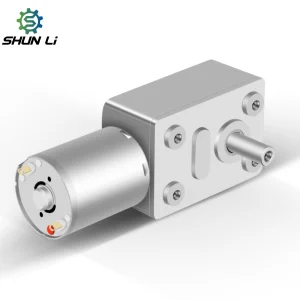
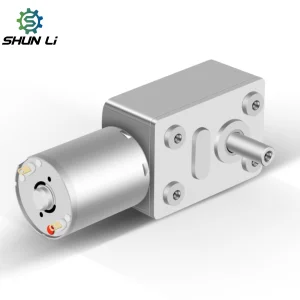
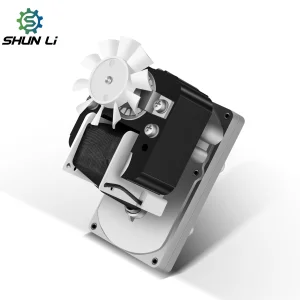
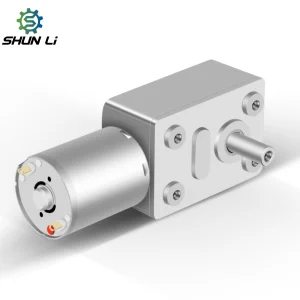
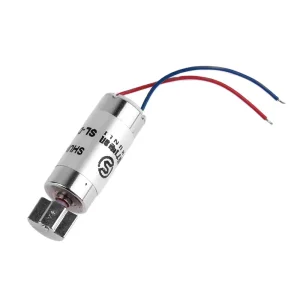
Featured Precision Silent Drives (Selection 1)
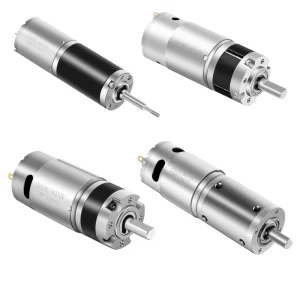
Below is the first selection of our highly optimized electromechanical drives, engineered for specialized acoustic and physical applications.
Global Sourcing Requirements and Acoustic Standards
Procuring motors for international distribution requires conforming to multiple, strict regulatory guidelines. Sound pressure levels (SPL) measured in decibels (dBA) and sound power levels (LwA) represent the standard metrics used to regulate environmental acoustic emissions.
OEM/ODM buyers face the challenge of sourcing components that satisfy regional noise level directives (such as the EU Outdoor Noise Directive 2000/14/EC and various OSHA workplace requirements) while maintaining functional efficiency and torque output.
To achieve these noise standards, design engineers must minimize the main sources of motor noise:
- Electromagnetic Noise: Induced by magnetic flux harmonics and stator-rotor interactions. Minimizing this requires optimizing slot-pole combinations and skewing rotor laminations.
- Mechanical Noise: Created by structural imbalances, rotor runout, and bearing friction. This is addressed through precision grinding and the use of specialized, double-shielded ball bearings.
- Aerodynamic Noise: Caused by air turbulence from cooling fans in high-speed models, resolved through optimized blade geometries.
| Application Category | Required Acoustic Threshold | Critical Mechanical Parameters | Standard Sourcing Certifications |
|---|---|---|---|
| Robotic Surgical Instruments | < 28 dBA | Zero backlash, micro-planetary gearheads, low cogging torque | ISO 13485, CE, FDA compliance |
| Smart Home & Window Shades | < 35 dBA | High self-locking worm gears, vibration isolated mounts | CE, RoHS, REACH |
| Automotive HVAC Actuators | < 32 dBA | Internal EMC suppression, custom plastic-metal hybrid gearboxes | IATF 16949, RoHS |
| LiDAR & Surveillance Gimbals | < 25 dBA | Ultra-balanced brushless rotors, zero cogging coreless design | CE, REACH |
China Factory 4.0: Supply Chain Resilience & Process Integration
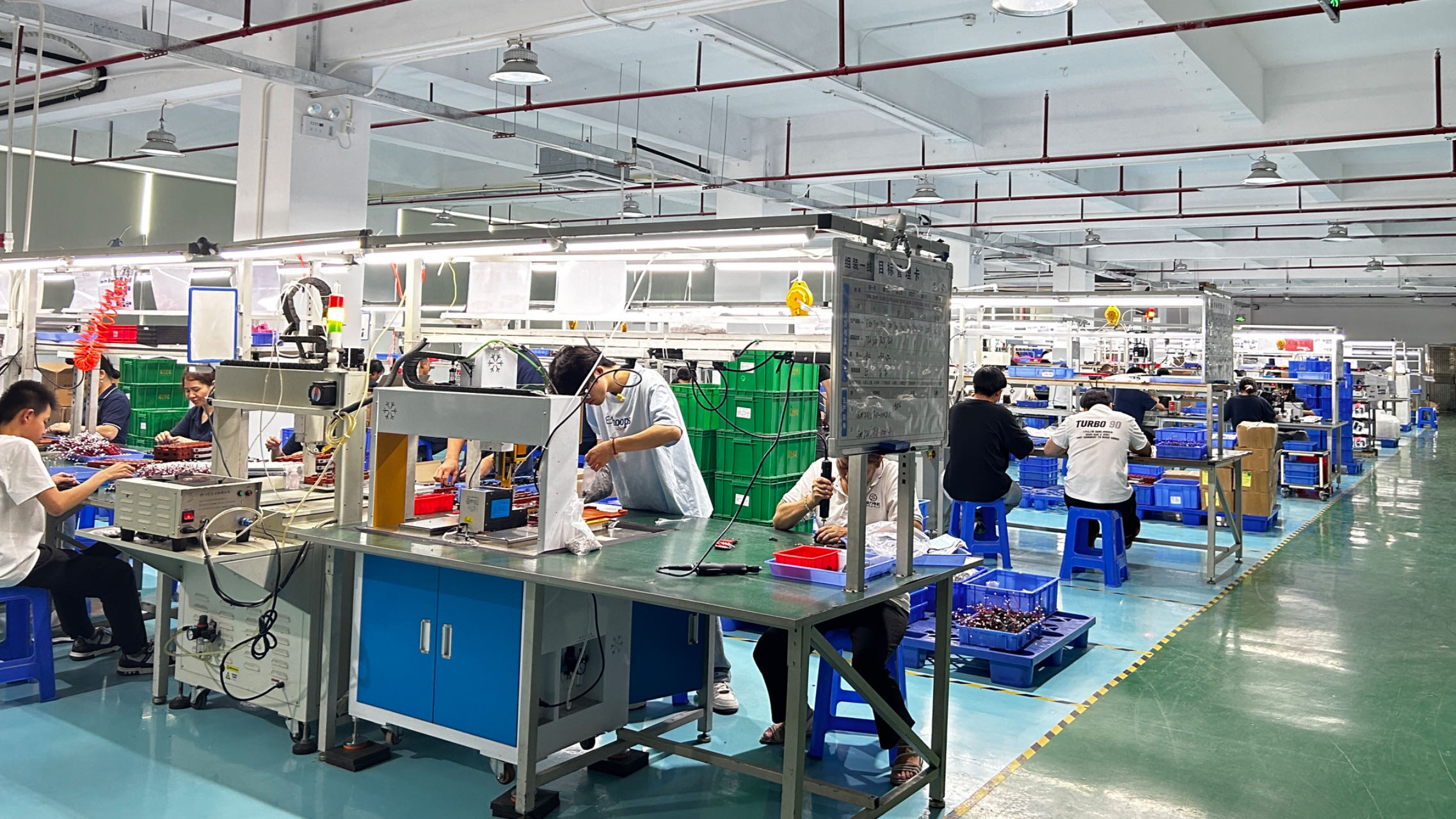
The shift from traditional manufacturing to Industry 4.0 automation enables modern Chinese factories to deliver both cost efficiencies and high precision. Valex Motor's vertically integrated facility handles every stage of production—from importing select silicon steel laminations to final automated noise analysis—under a single, unified quality management system.
Vertical Integration: From Raw Materials to Assembly Consistency
To control cumulative mechanical tolerances, each stage of production must meet strict quality standards. Traditional sourcing models rely on multiple external sub-contractors, which can introduce variance in shaft dimensions, gear eccentricity, and winding density. These variances contribute to mechanical noise and system failures.
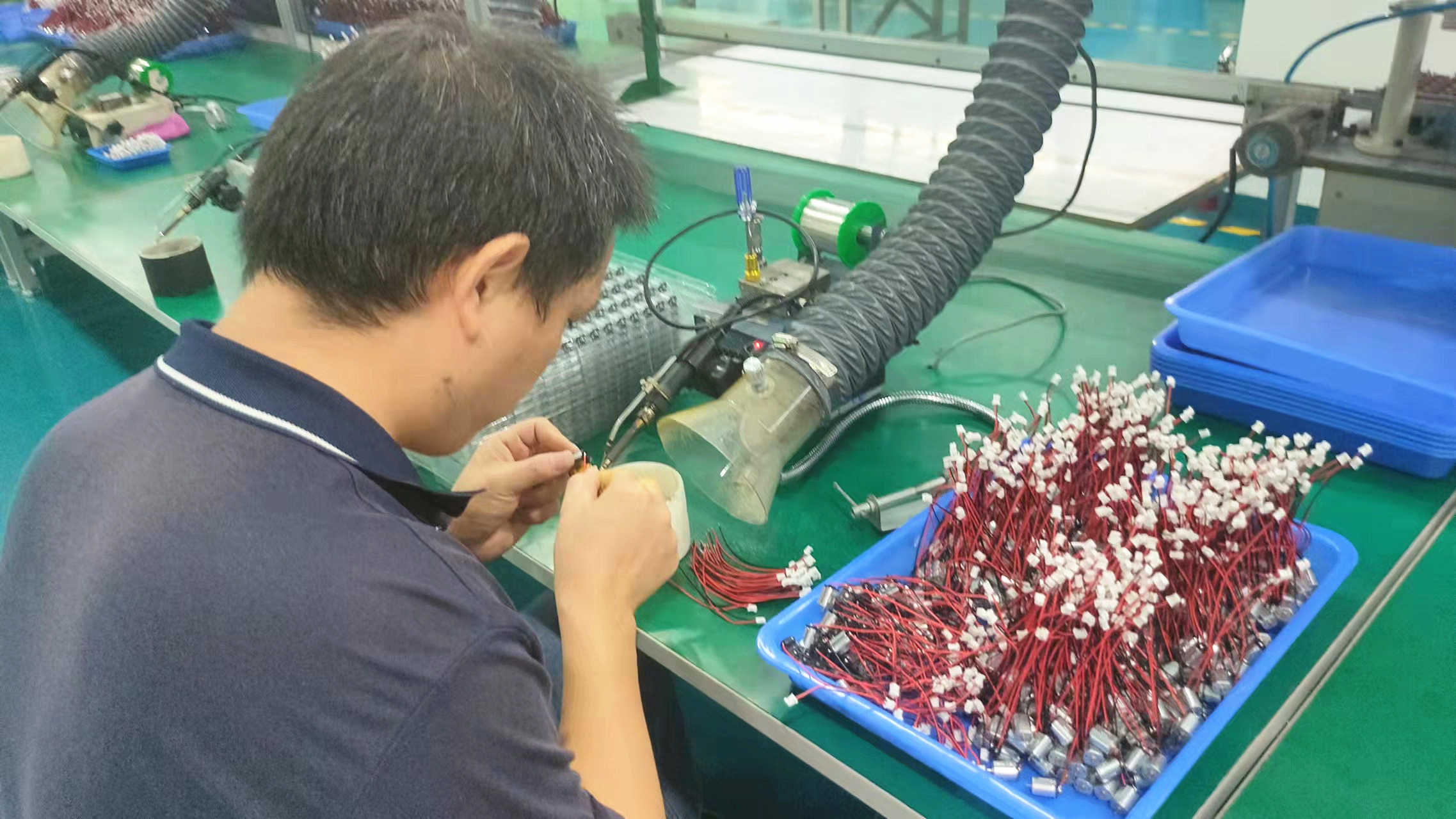
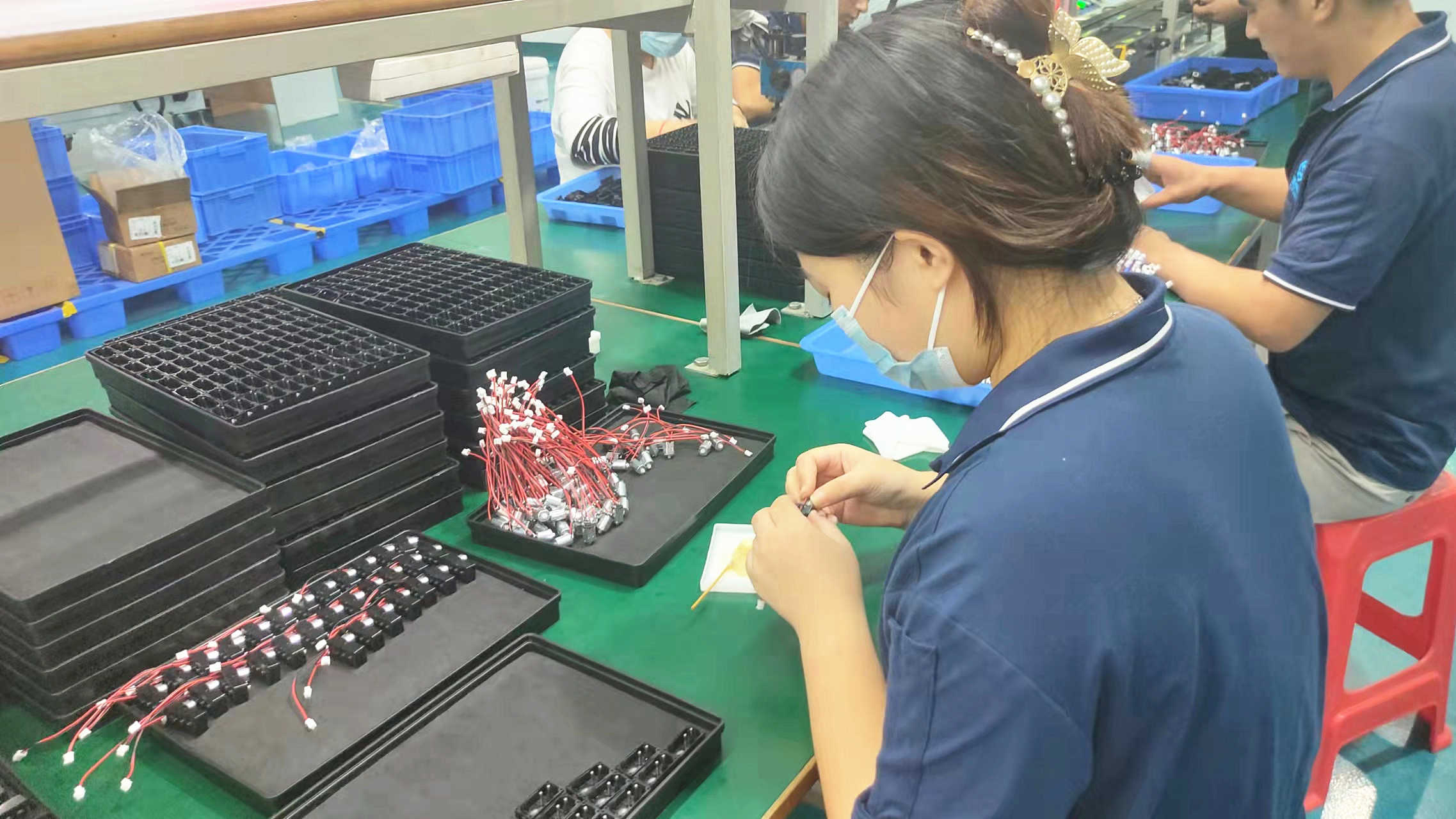
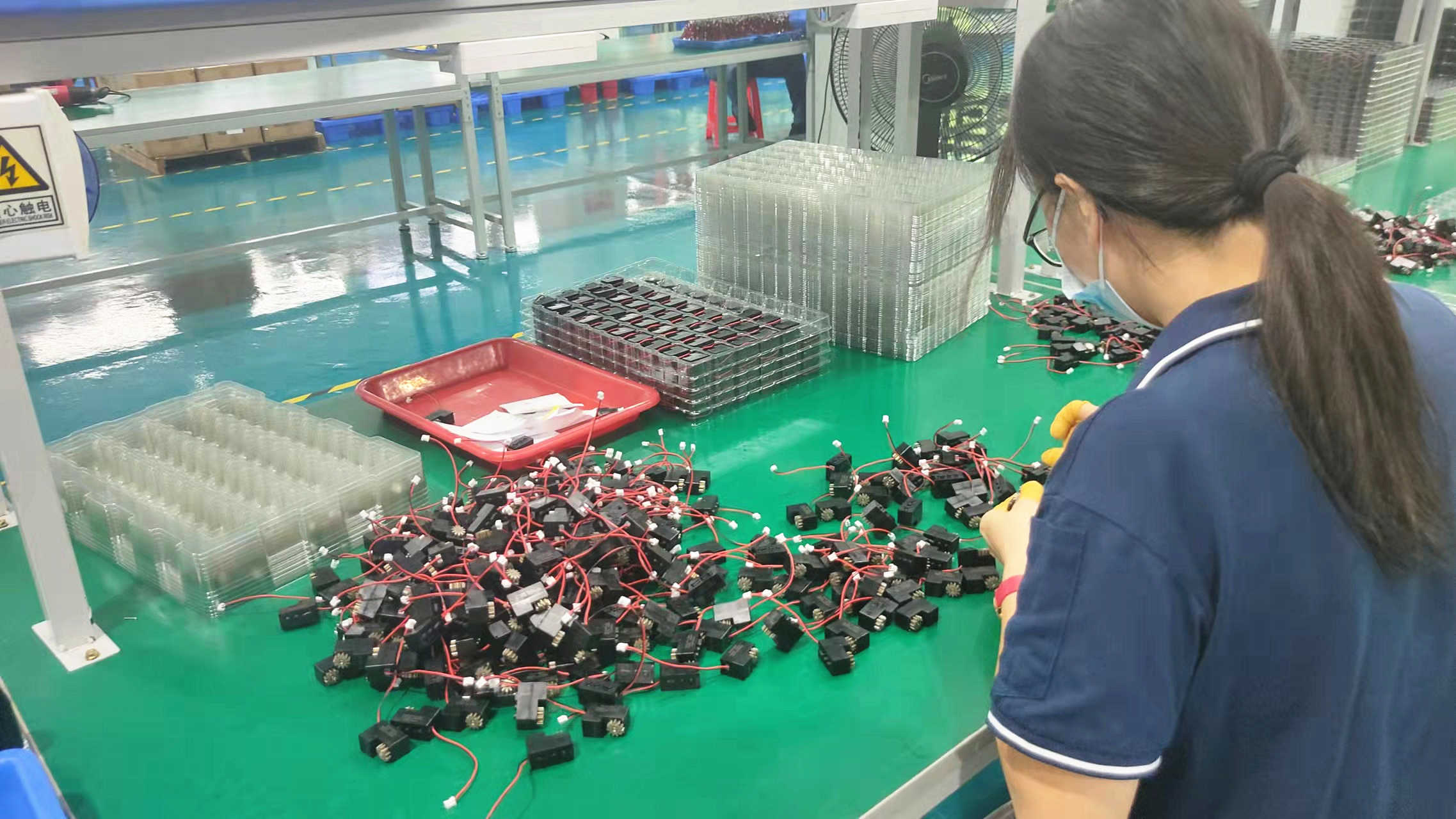
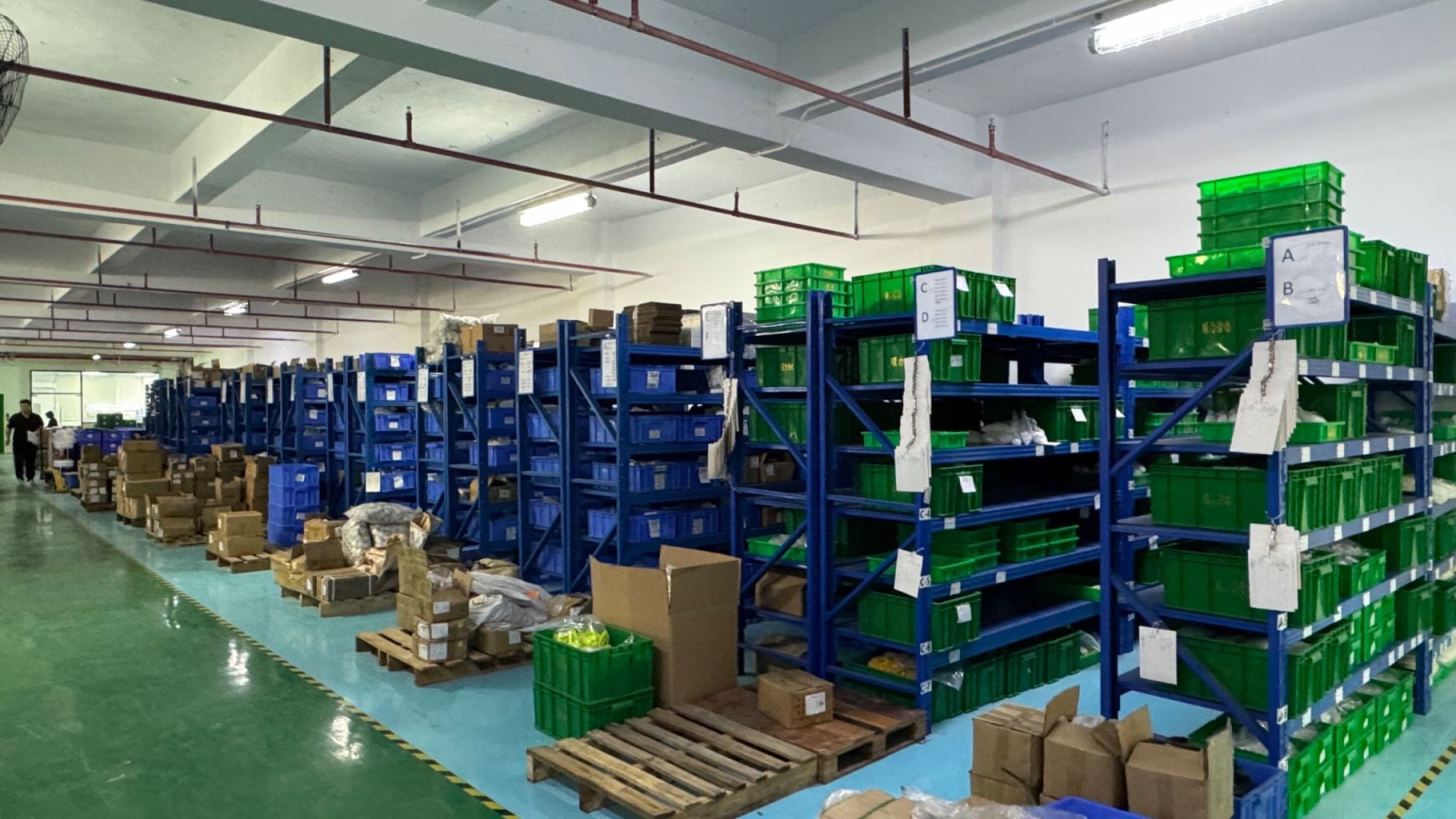
Valex Motor mitigates these issues by housing key manufacturing processes under one roof. Our high-precision machining, automated coil winding, and climate-controlled assembly lines help eliminate tolerance stack-up. This integrated approach ensures consistent performance across high-volume production batches.
Integrated Production Stages
Every step of our production workflow is monitored and documented to guarantee traceability and consistency.

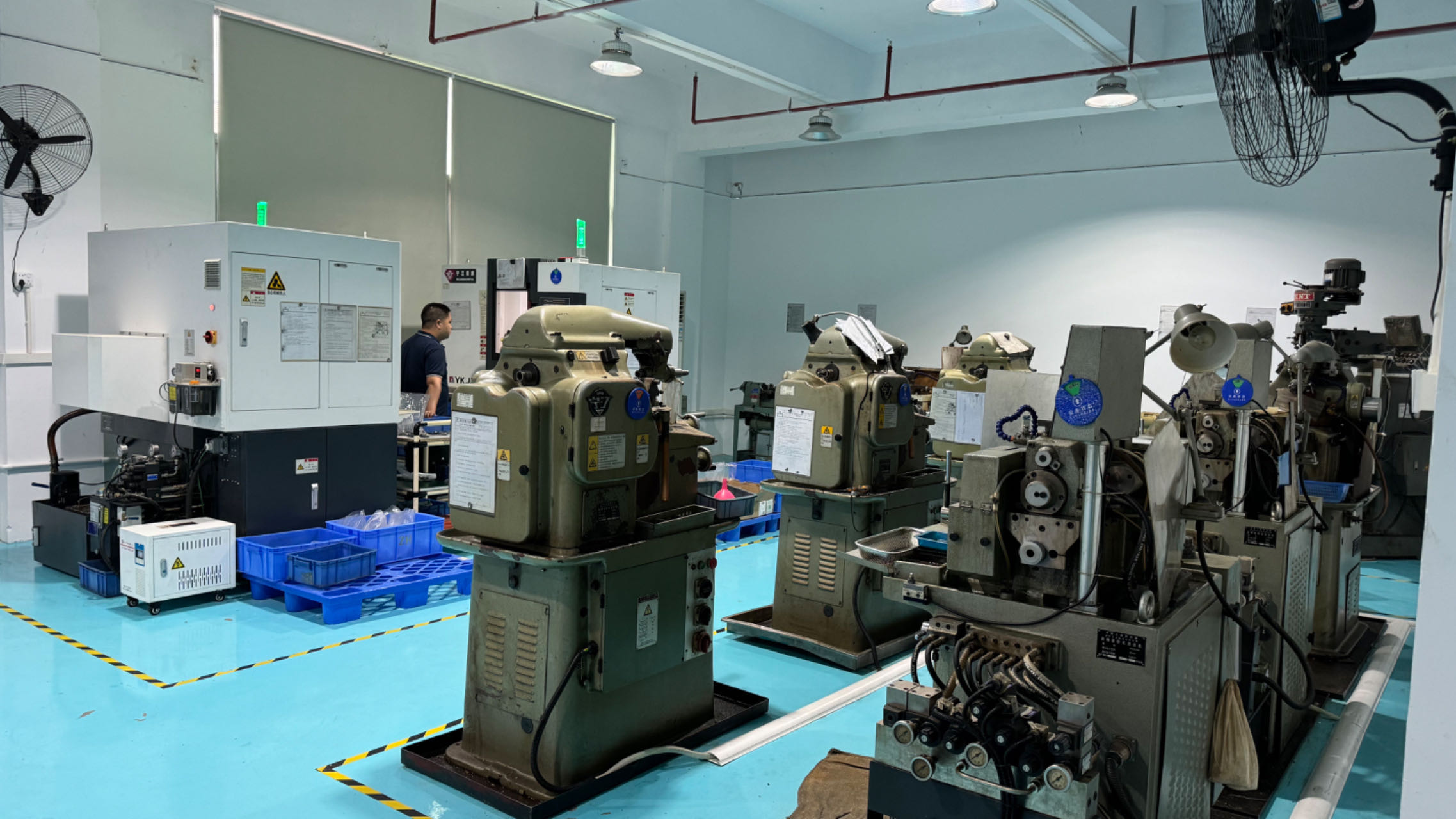
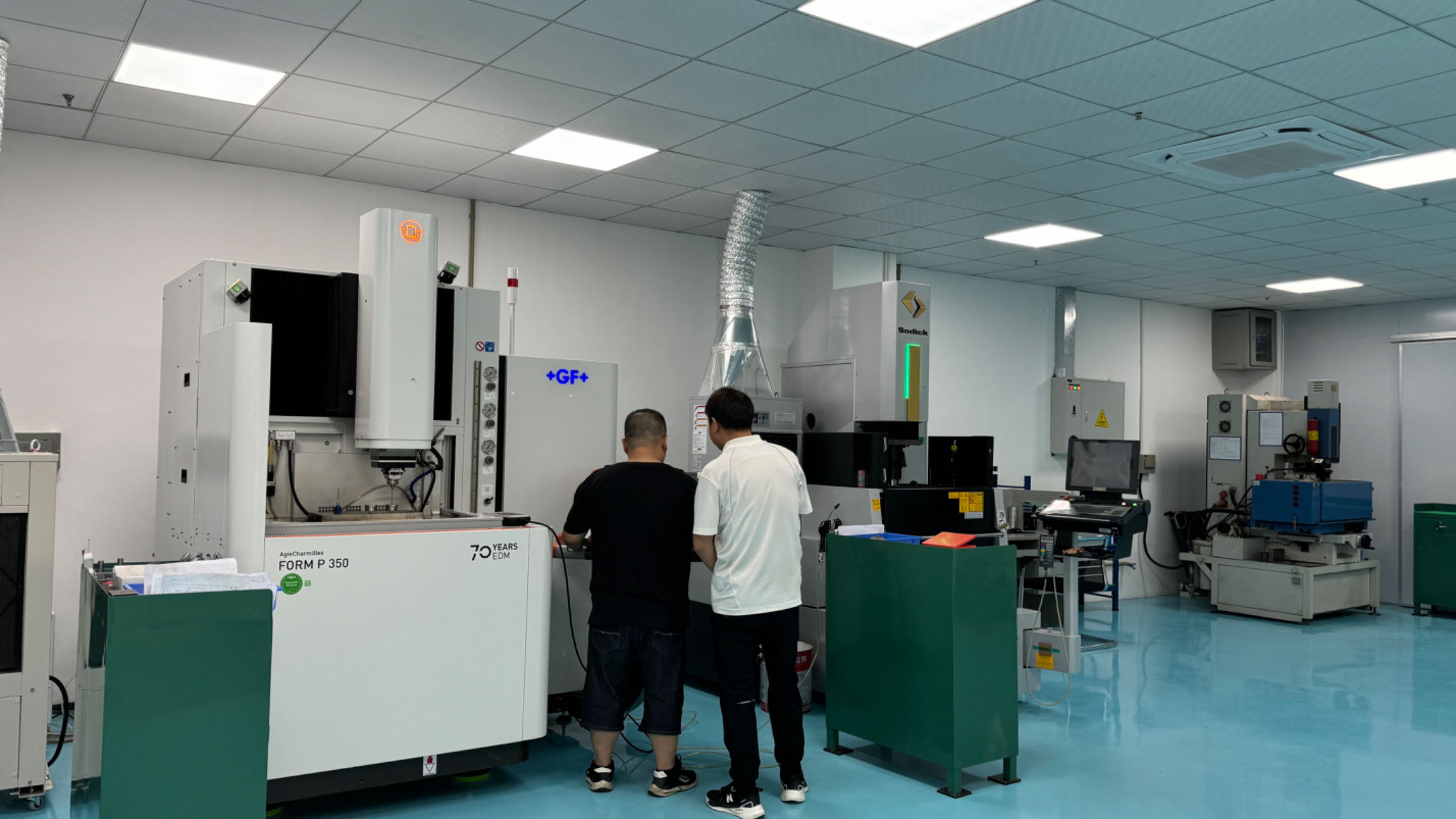
State-of-the-Art Machine Tooling and Production Infrastructure
Achieving tight component tolerances requires robust industrial equipment. Our production floor uses high-precision CNC machinery and automated winding setups to support consistent component output.
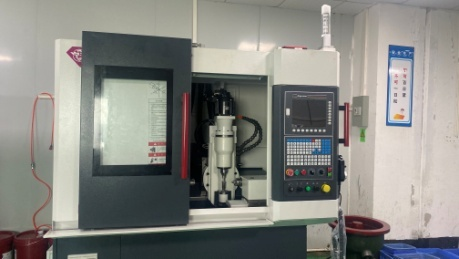
Ultra-precise rotor shaft turning and shaping.
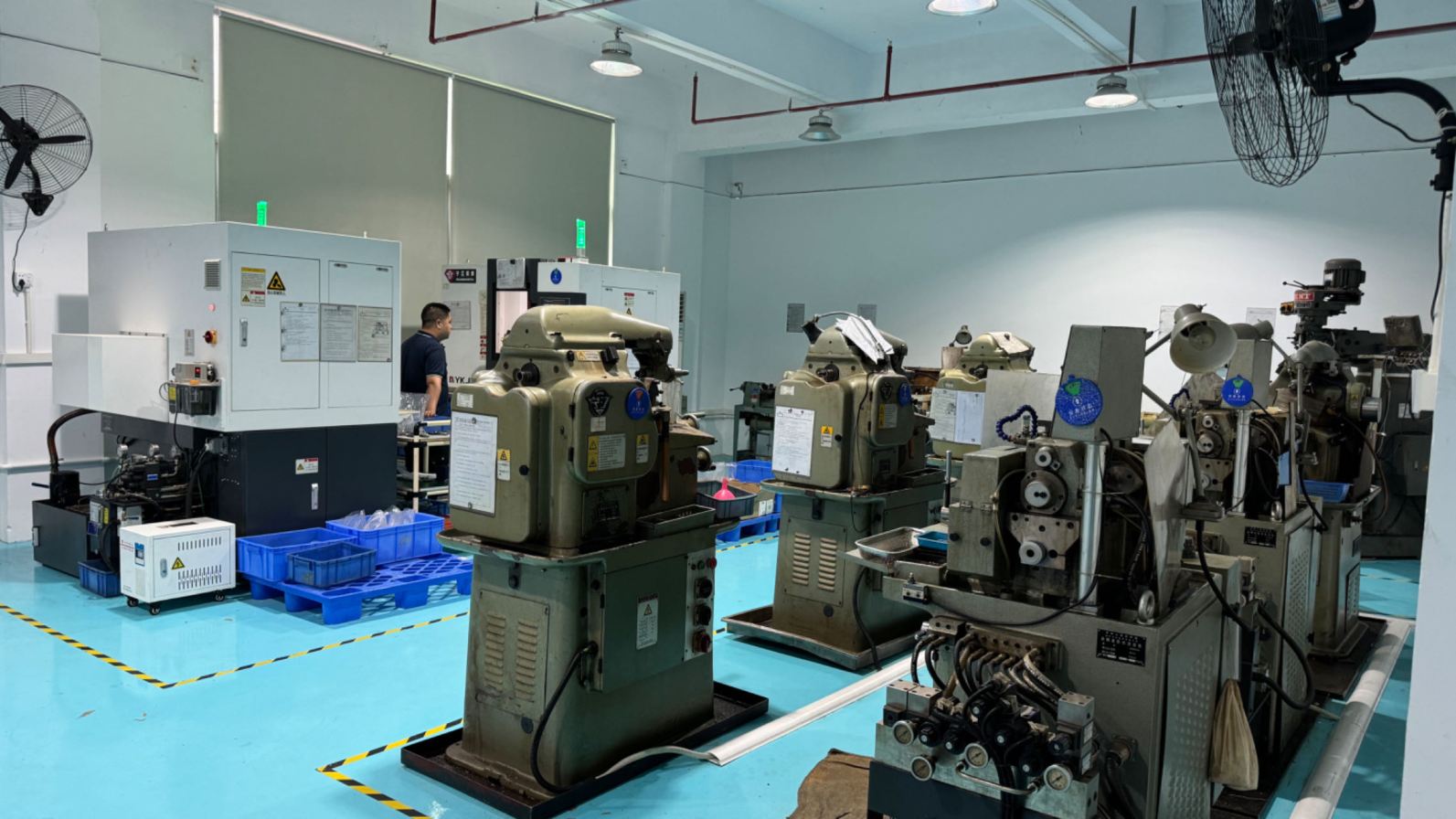
Generates micro-pitch gear teeth with low noise.
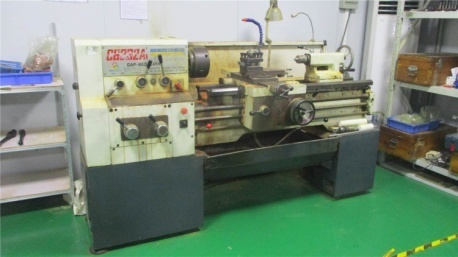
Turns outer casings and structural endbells.
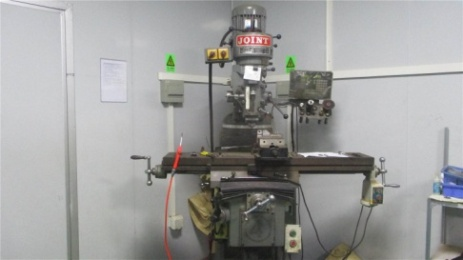
Precise machining of custom brackets and keyways.
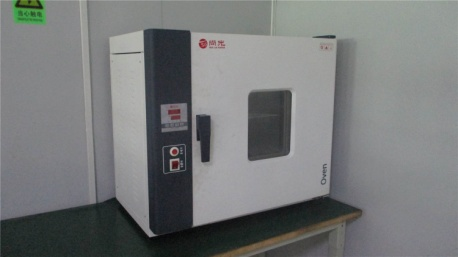
Cures stator varnish to minimize acoustic hum.
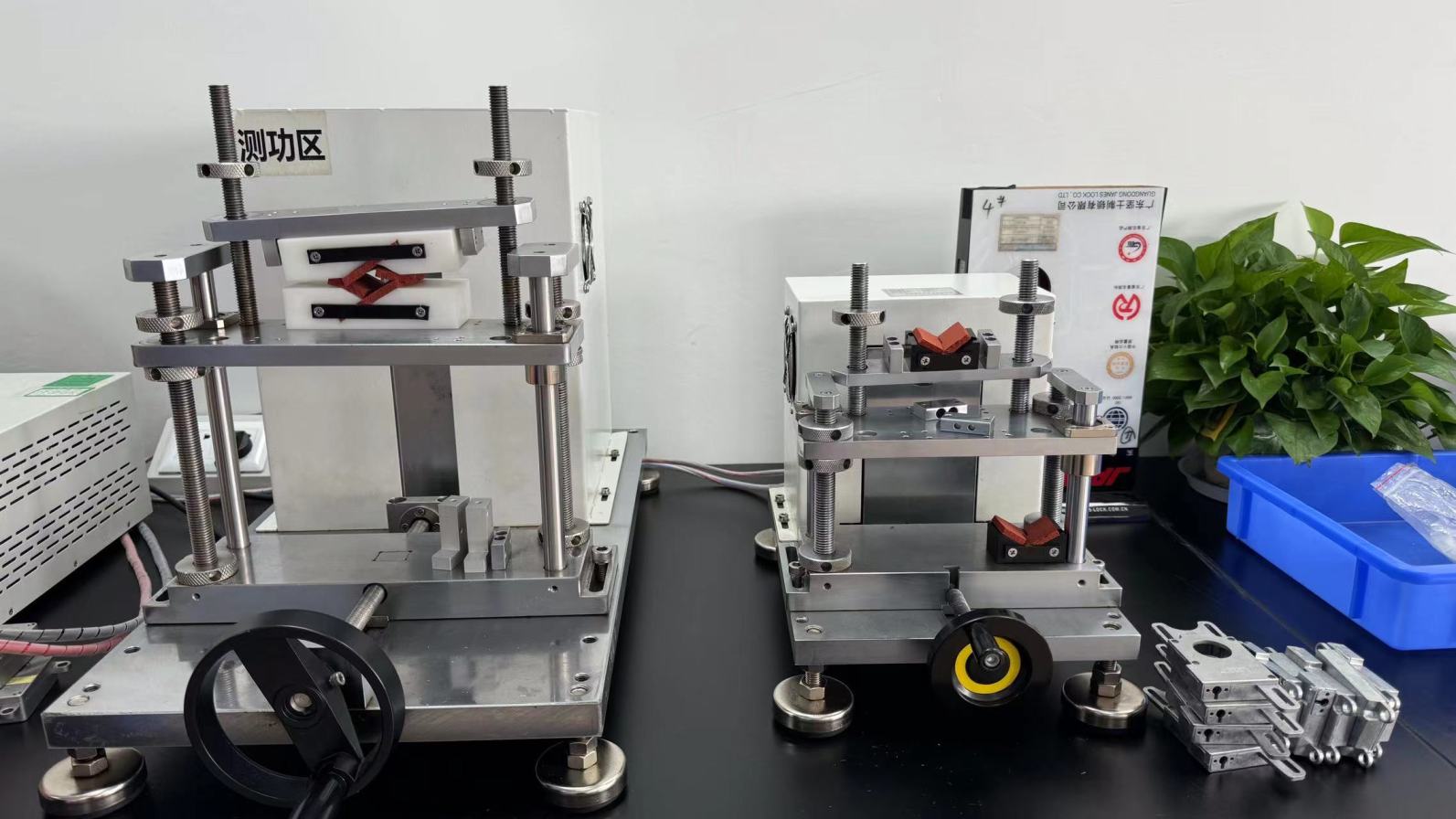
Ensures stable alignment of planetary gear carriers.
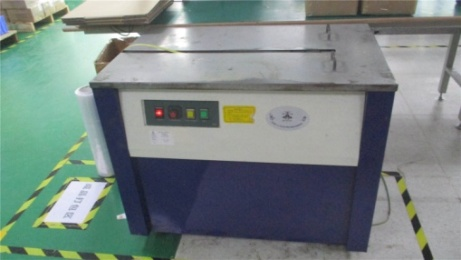
Applies protective packaging to prevent transit damage.
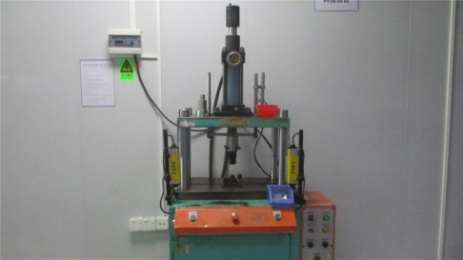
Assembles press-fit housings with consistent force.
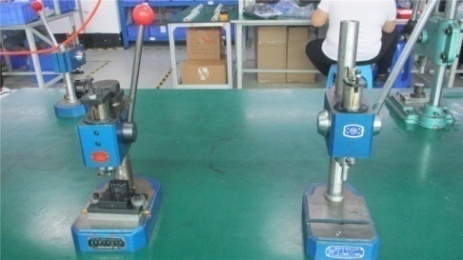
Used for short-run custom prototypes.
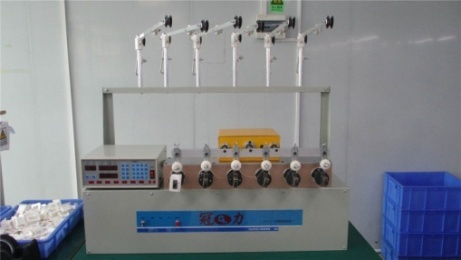
Winds coils with uniform tension and turn counts.
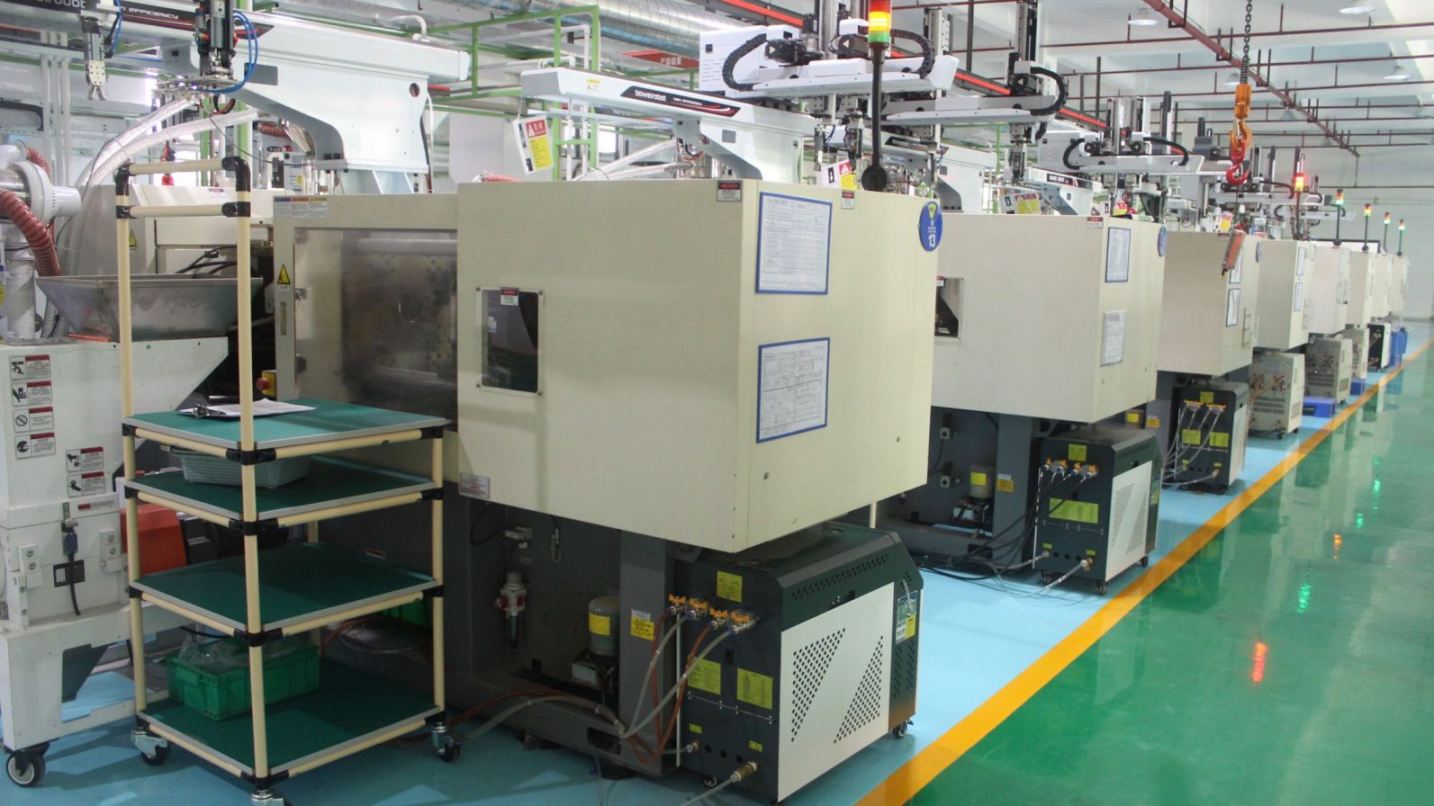
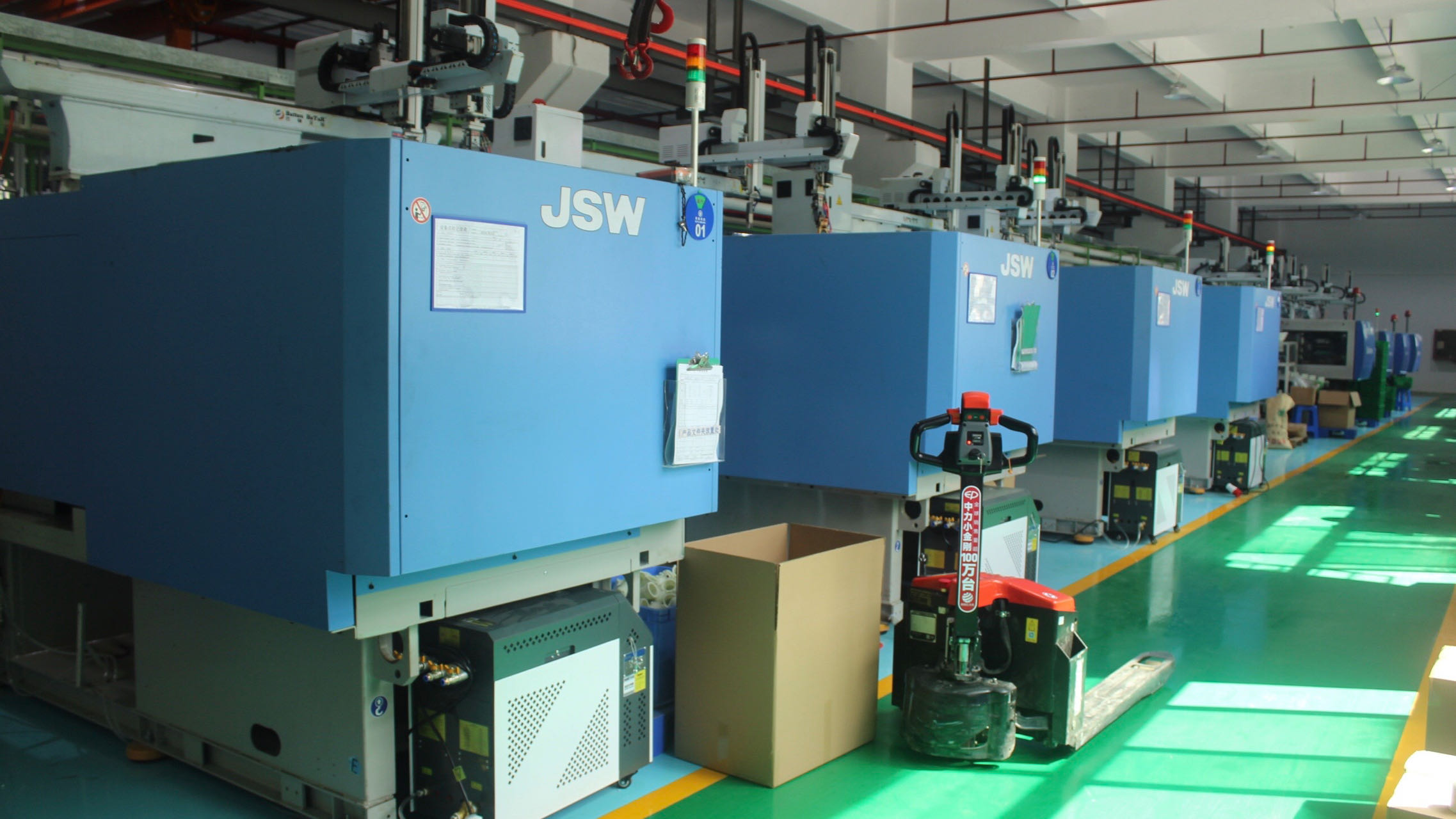
Produces internal plastic gears to reduce acoustic resonance.
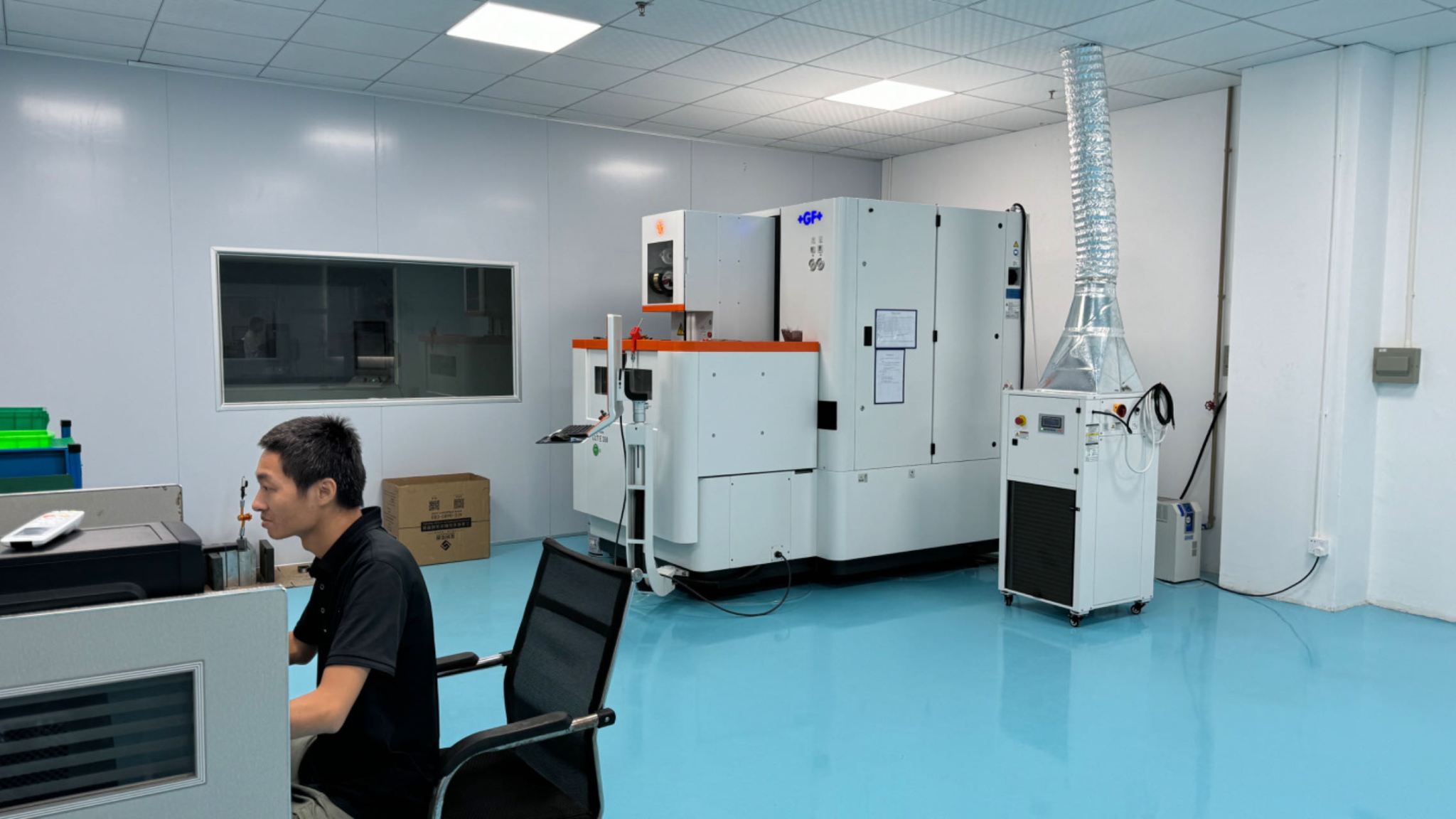
Cuts high-precision stamping dies with fine tolerances.
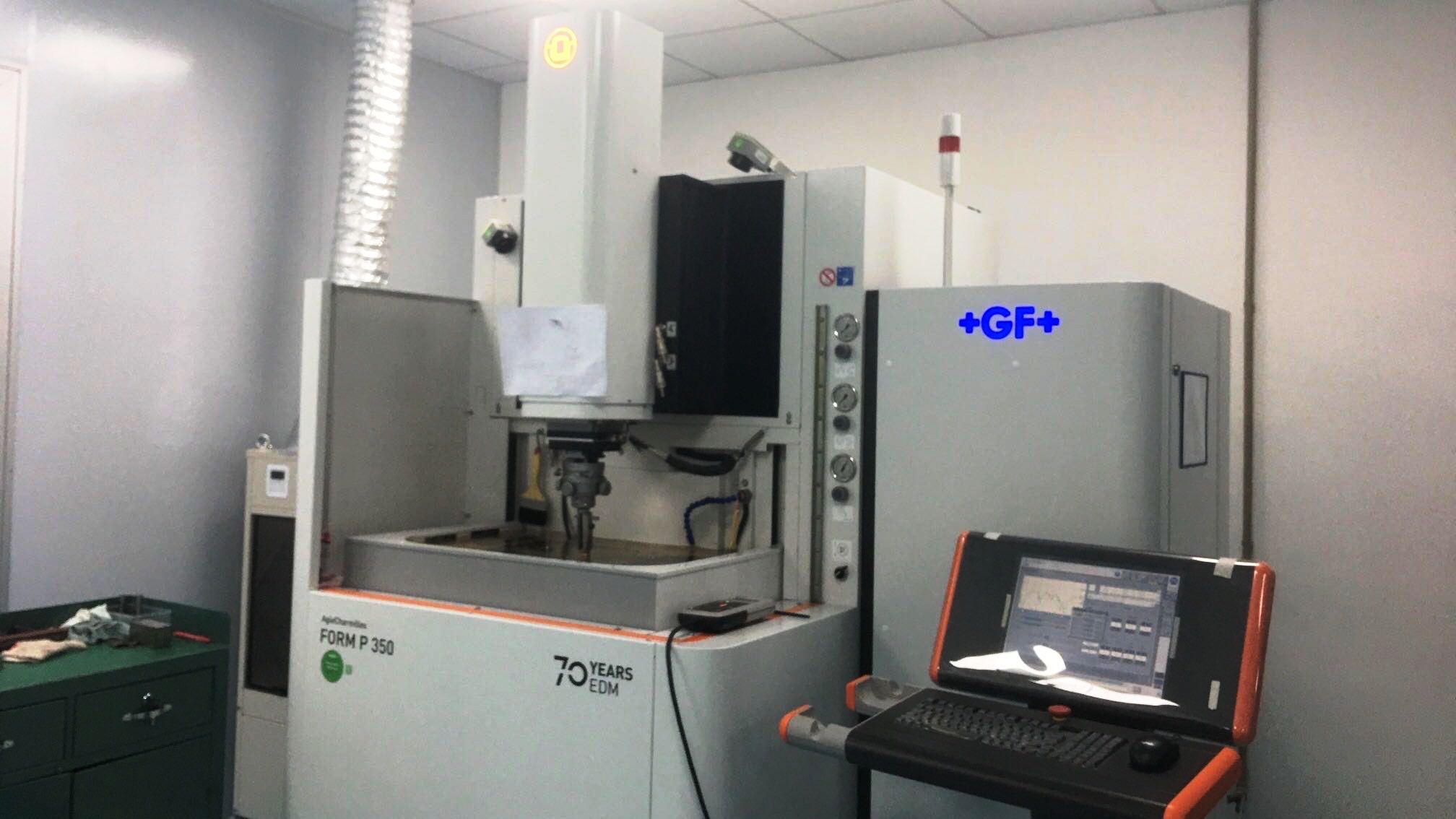
Shapes tough tool steels for custom gearing assemblies.
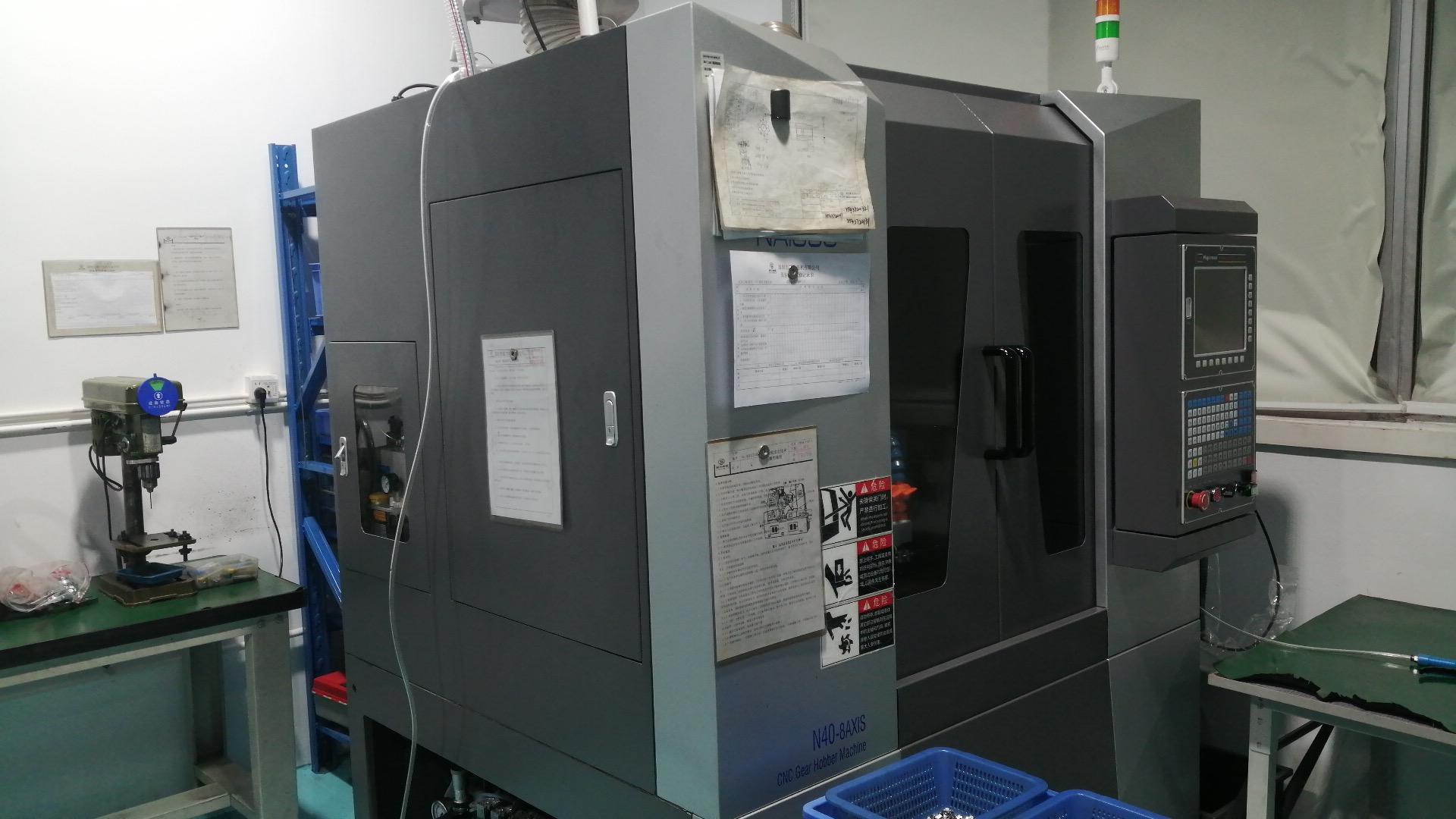
High-efficiency cutting of spur and helical gear profiles.
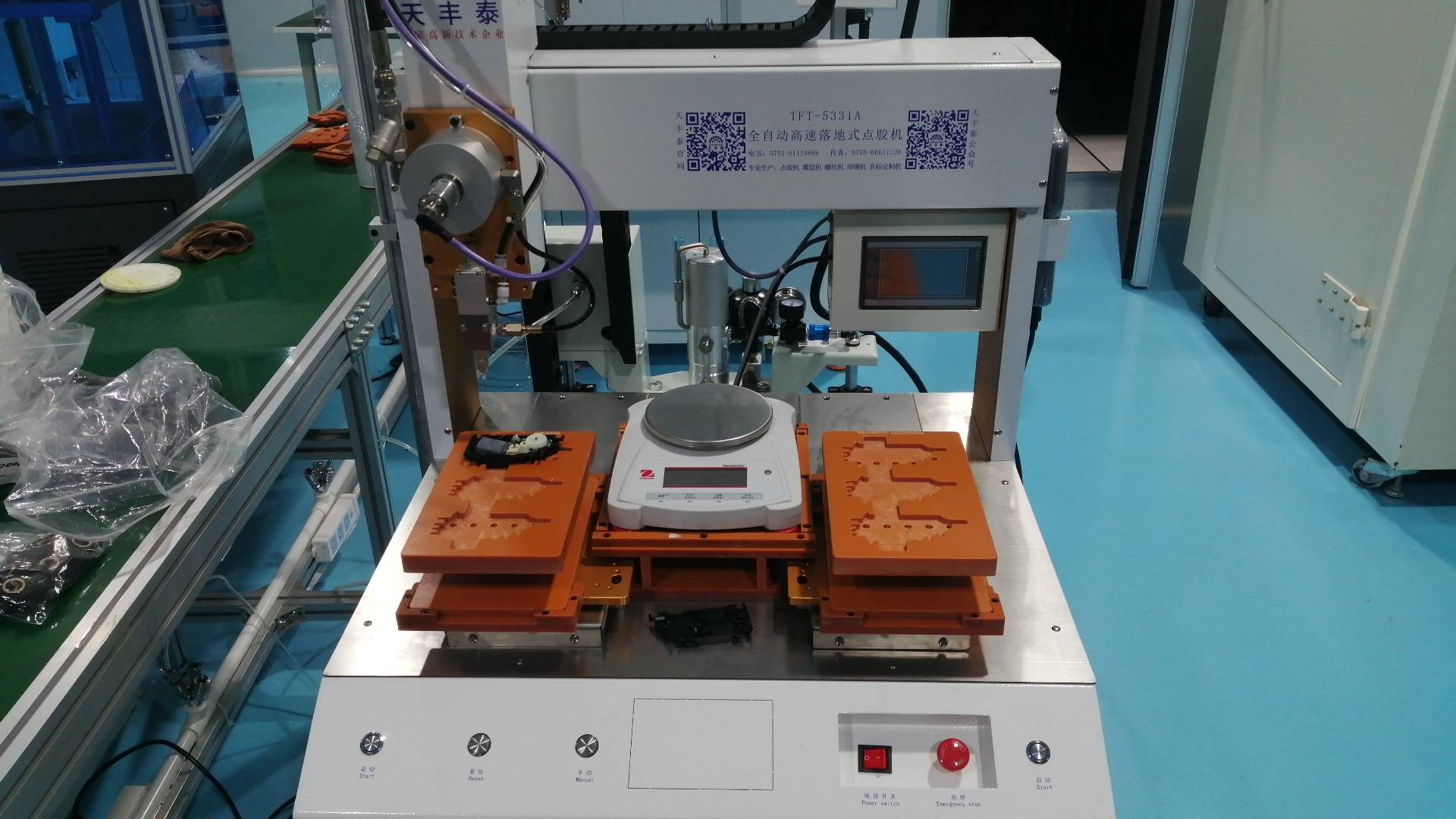
Applies uniform adhesive to secure magnets and reduce rattle.
Quality Assurance & Metrology: Eliminating Acoustic Failures
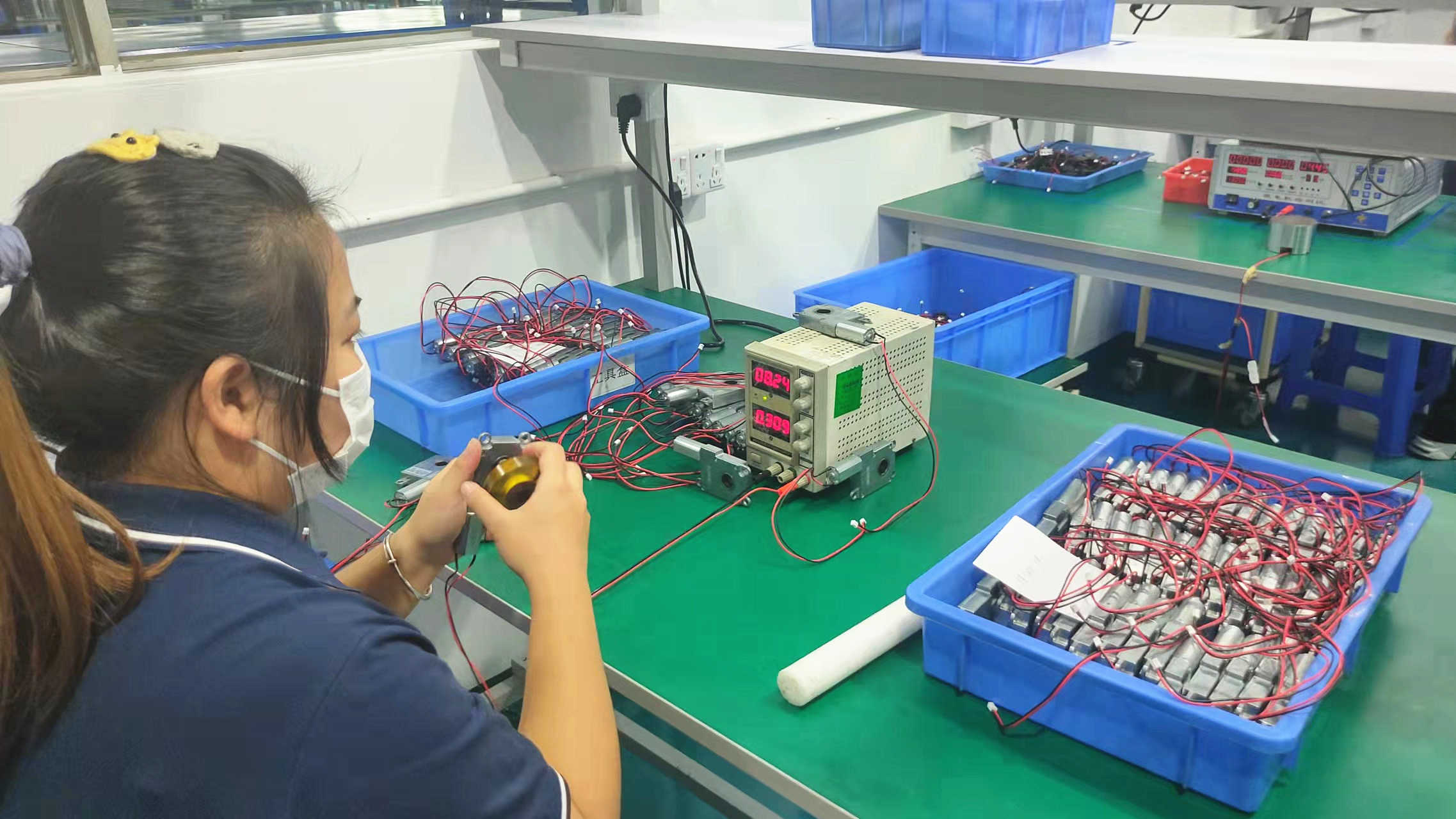
Our verification testing processes measure physical and electrical performance indicators. Each product batch must meet targeted design parameters for speed, torque, thermal stability, and acoustic profile.
To ensure reliability under varying operational loads, we subject motor prototypes to accelerated life testing, thermal cycling, and salt-spray testing. This process validates structural seals and prevents early degradation in humid or corrosive environments.
Our quality control labs use dual-shielded noise isolation chambers to record vibration profiles and acoustic frequency outputs. This testing identifies and helps eliminate high-frequency spikes that could indicate assembly errors or material defects.
Testing Facilities & Equipment
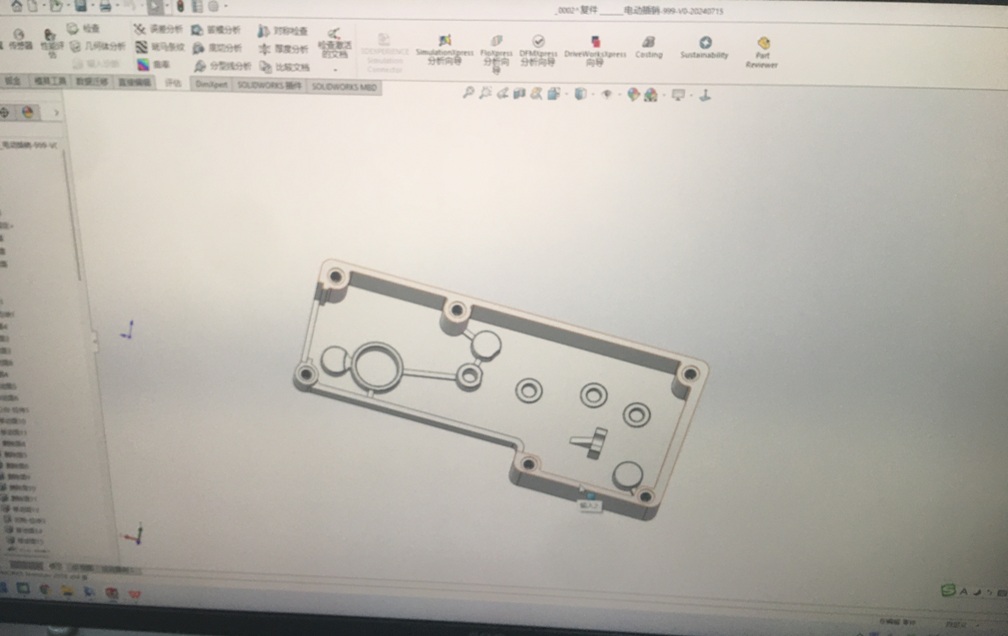
Optimizes motor configurations using finite element analysis.
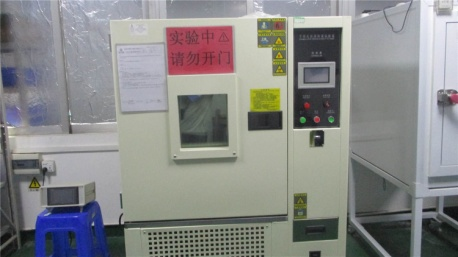
Tests operational longevity across diverse climates.
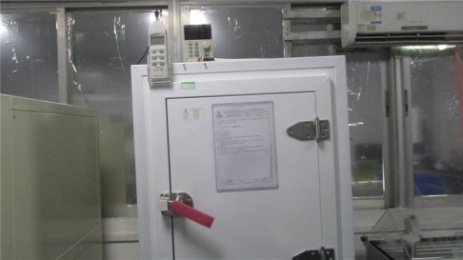
Measures exact decibel output and vibration harmonics.
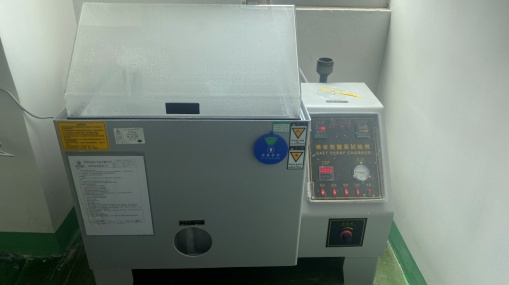
Tests casing and shaft resistance to corrosion.
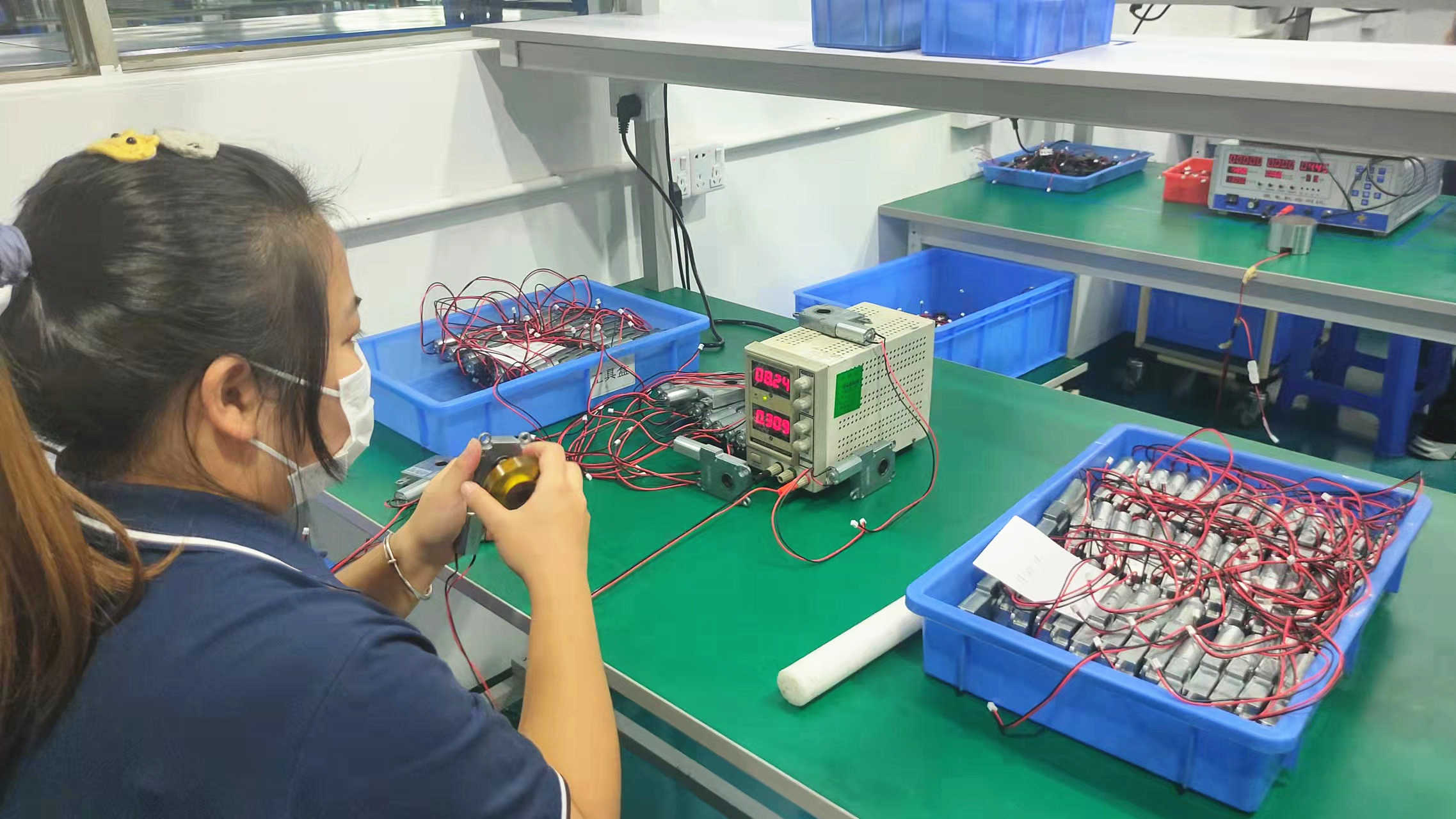
Manual inspection step for physical tolerances.
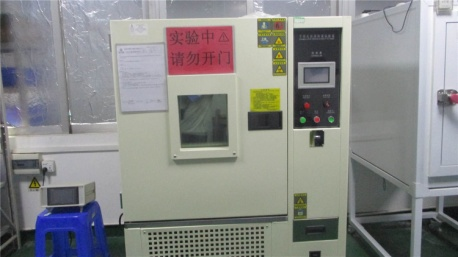
Simulates high-stress environmental conditions.
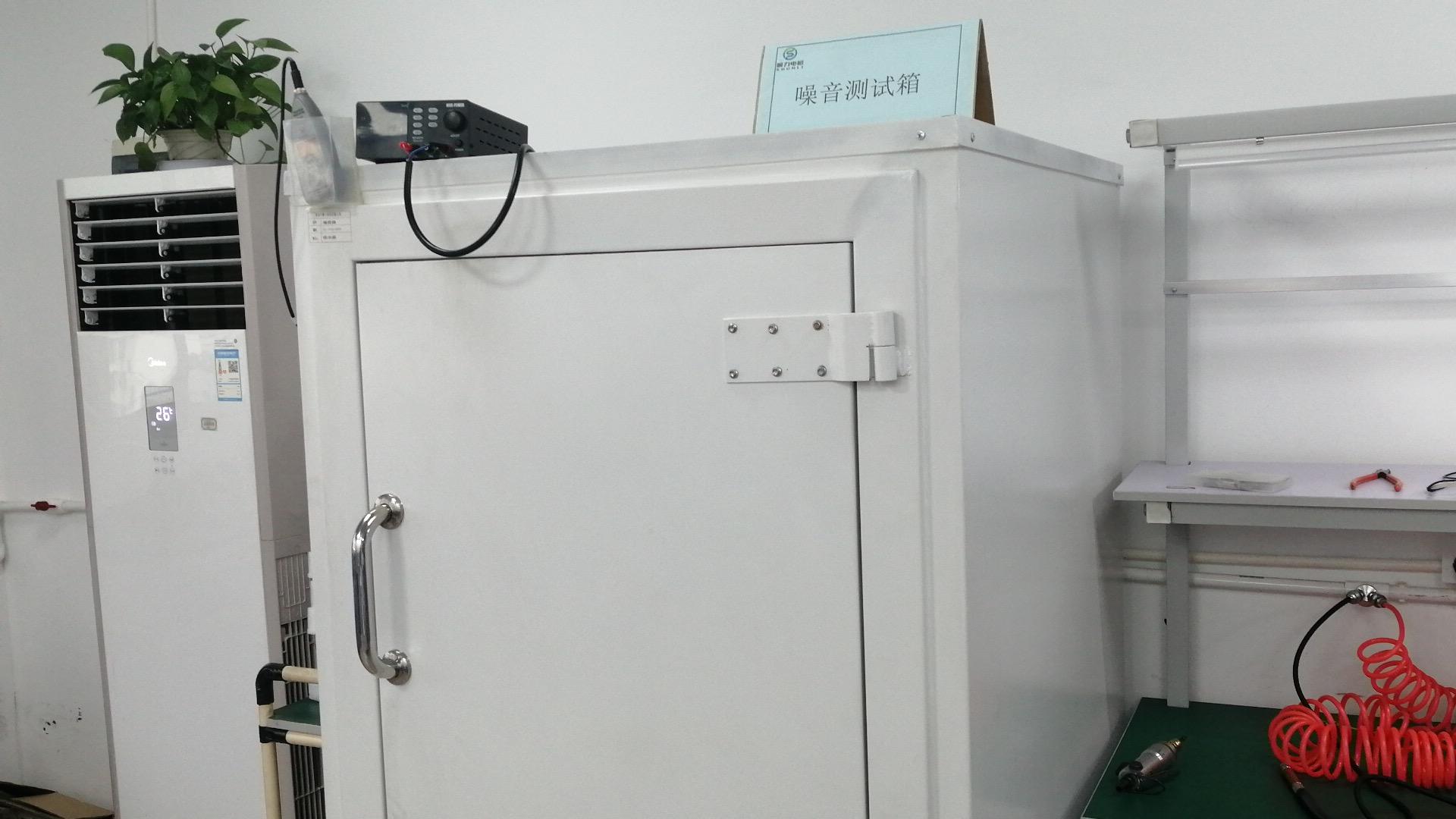
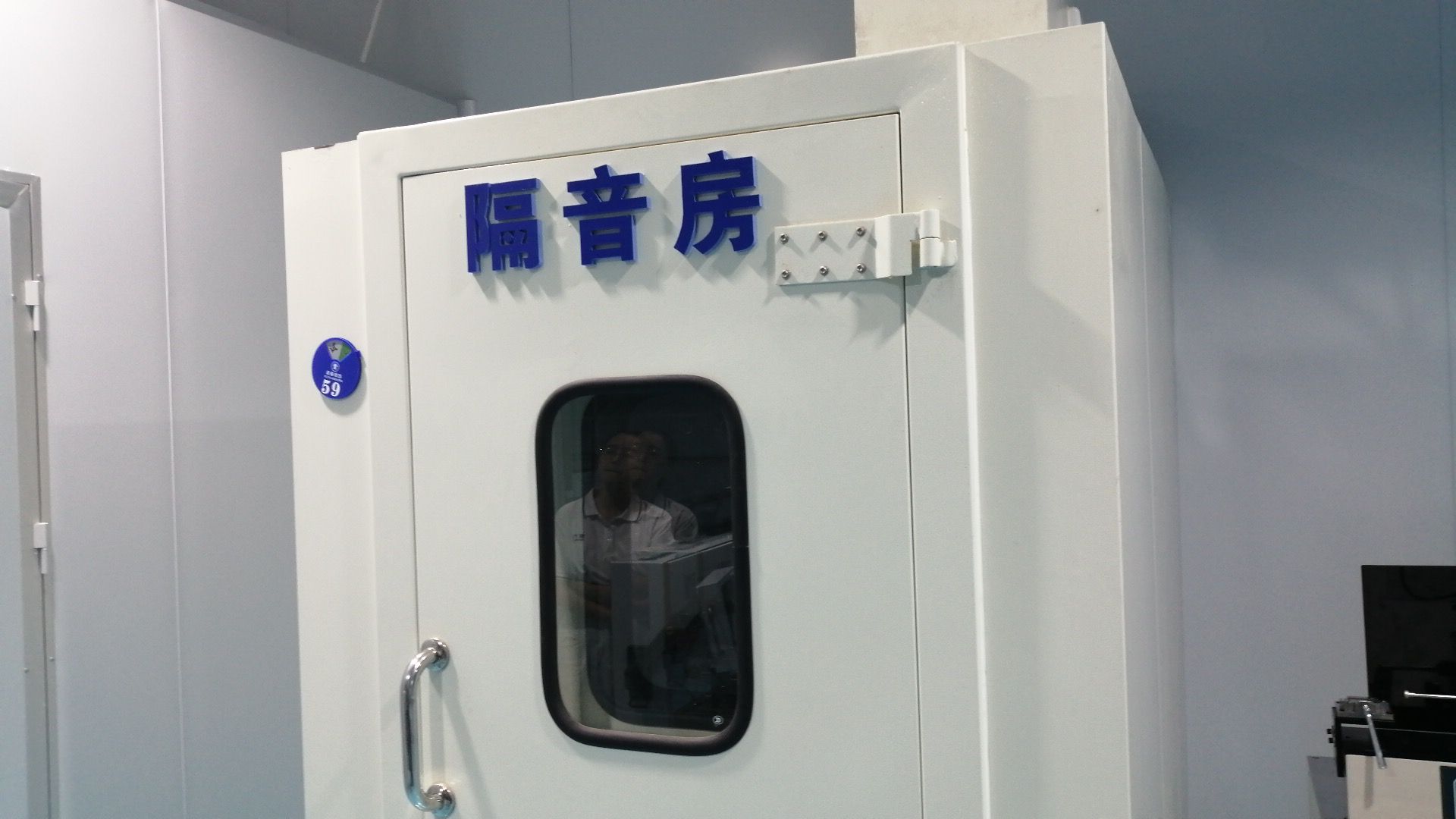
Isolates external noises for clean decibel readings.
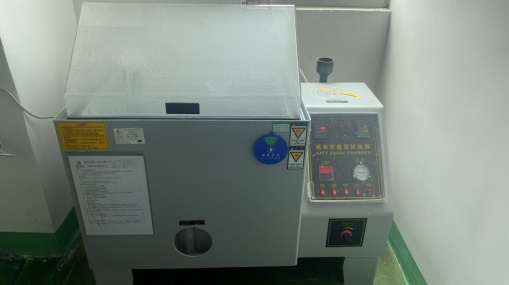
Secondary unit for high-volume batch runs.
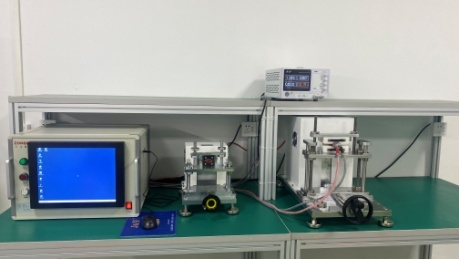
Plots performance curves and efficiency parameters.
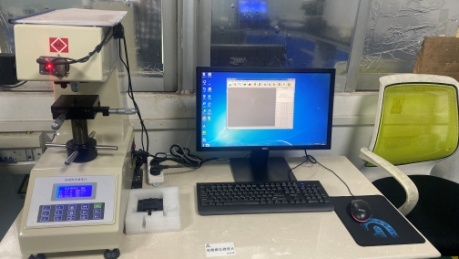
Verifies surface durability of gear teeth.
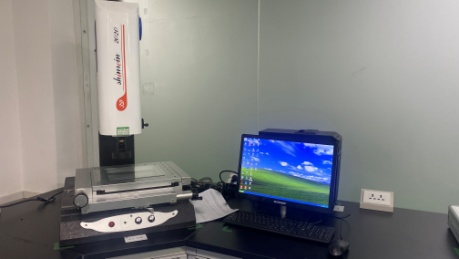
Non-contact measurement of micro-machined parts.
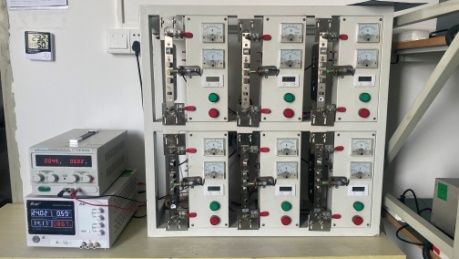
Runs motors continuously to screen for early failures.
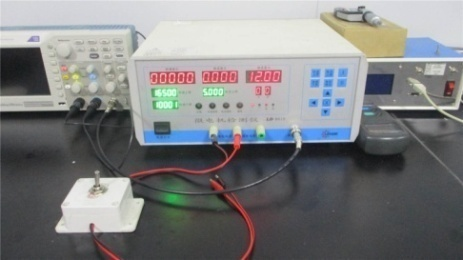
Checks current, voltage, speed, and torque.
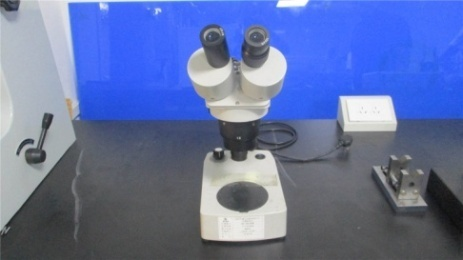
Examines components for micro-cracks and structural wear.
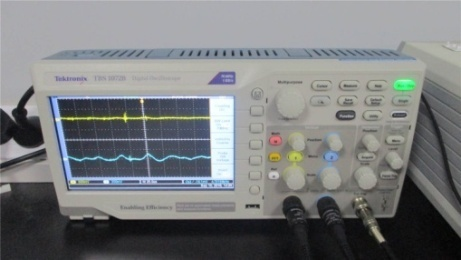
Measures electrical noise and back EMF waveforms.
Supports acoustic verification of larger components.
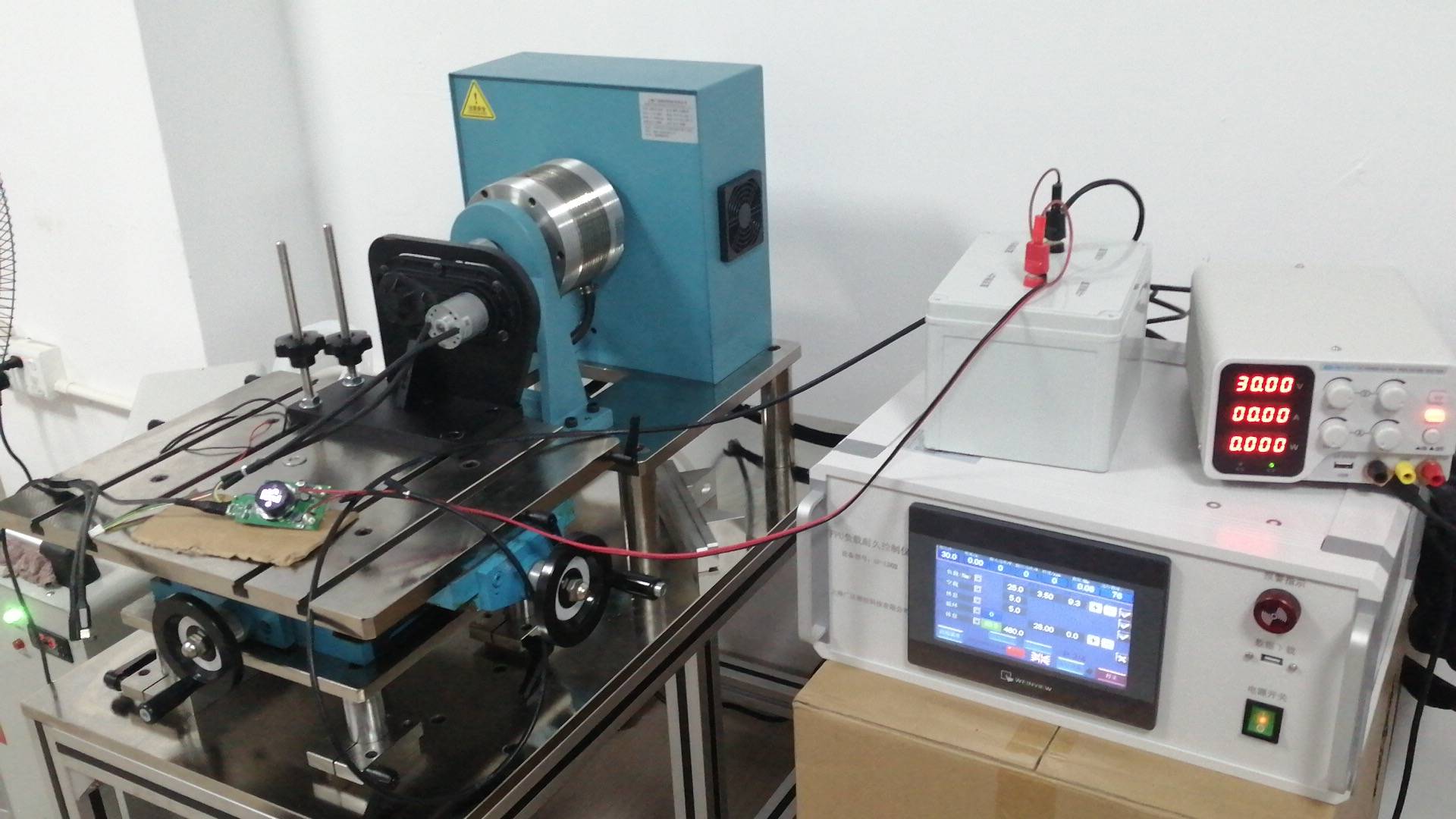
Detects subsurface structural flaws in ferrous shafts and gears, preventing mechanical failures under load.
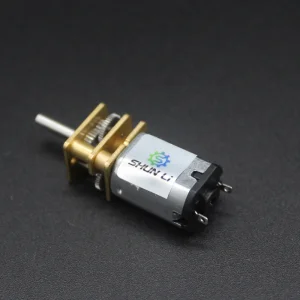
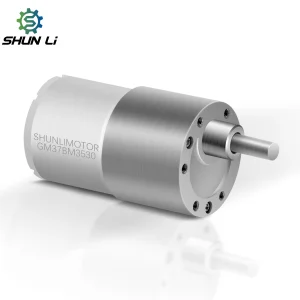
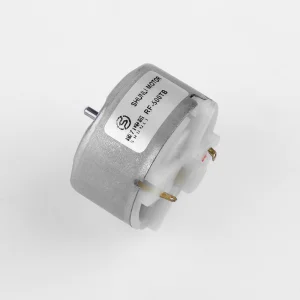
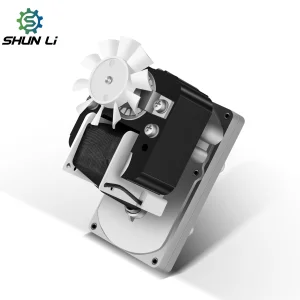
Featured Precision Silent Drives (Selection 2)
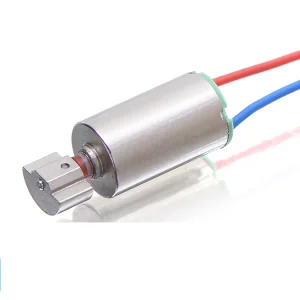
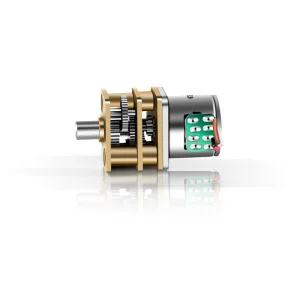
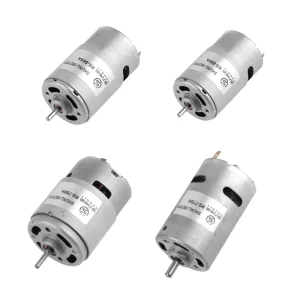
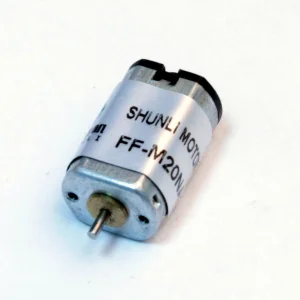
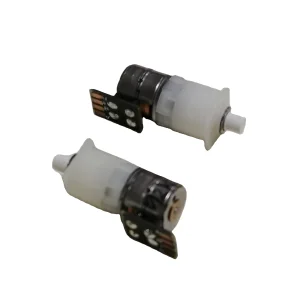
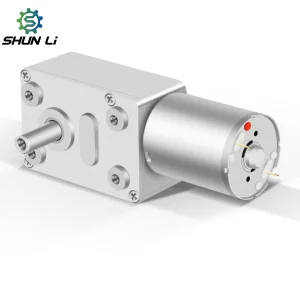
Our second selection of precision drives features micro motors designed for consumer electronics, power tools, and high-performance robotic joints.
Future Technical Trends & Localized Application Scenarios
Silent motor design is evolving with advances in microelectronics, material sciences, and digital control protocols. In many application scenarios, simply dampening sound at the source is insufficient; the motor assembly must be engineered to prevent resonance with the surrounding housing.
1. Integrated Smart Control Protocols
Next-generation silent drives incorporate field-oriented control (FOC) drivers directly inside the motor casing. Traditional step-drive controllers can cause torque ripple, leading to structural vibration and clicking noises. FOC drivers apply sinusoidal commutation, providing smoother rotation and lower electromagnetic noise.
2. Specialized Damping Lubricants
Selecting the correct gear lubricant is critical to controlling acoustic output over time. Advanced synthetic greases with precise viscosity values help cushion gear meshing interfaces. This dampening is particularly important in metal gearboxes (like the N20 or JGY-370 series) that operate under variable mechanical loads.
3. Hybrid Materials Construction
Using a combination of POM (polyoxymethylene) gears alongside high-strength brass or steel pinion gears helps reduce operational noise. This hybrid design dampens tooth-to-tooth contact sound while maintaining the torque capacity required for consumer products.
Key Application Scenarios
Deep Technical FAQ for Procurement Engineers
Our engineering team answers common questions regarding acoustic management, structural design, and custom mechanical sourcing.
Q1: How do you achieve a noise rating below 30dB in high-torque planetary gearboxes?
To achieve noise ratings under 30dBA at nominal load, we control the gear mesh profile and alignment tolerances. Our planetary gears are cut on high-precision hobbing machines to maintain low tooth spacing error. Additionally, we use a hybrid gearing system that pairs high-durability plastic first-stage gears with metal final-stage gears. This helps break the vibration propagation path and keeps acoustic emissions within specification.
Q2: What is the impact of backlash on acoustic performance in worm gear motors?
Mechanical backlash can lead to gear clatter when the motor changes speed or rotation direction. In applications like window blind drives or medical actuators, backlash is minimized by adjusting the center distance between the worm shaft and the worm wheel during housing assembly. Additionally, we use high-viscosity synthetic damping lubricants to fill the tooth clearances, helping to reduce noise.
Q3: How does Valex Motor ensure consistent performance in high-humidity or corrosive environments?
We use stainless steel (SUS303/SUS304) for exposed motor shafts and apply anti-corrosive coatings to the steel casings. Critical components are validated using salt-spray testing chambers (conforming to ASTM B117 standards) to confirm they resist oxidation and rust. This protection helps prevent bearing degradation, which is a major source of motor noise in damp environments.
Q4: What customization options are available for shaft design and electrical interfaces?
We can customize various design parameters, including shaft length, flat sections (D-cuts), cross-holes, and splines. On the electrical interface side, we support custom wiring harnesses, connectors, and encoder configurations. Our prototyping capabilities allow us to adjust these elements to integrate with existing customer assemblies.
Q5: Why choose BLDC over brushed DC motors for low-noise applications?
Brushed DC motors use carbon brushes sliding against a copper commutator, which creates mechanical friction and high-frequency arcing noise. Brushless DC (BLDC) motors replace these brushes with electronic commutation. This design removes the contact noise source and helps extend the operational lifespan of the motor, limited primarily by the lifetime of the bearings.