Valex Motor
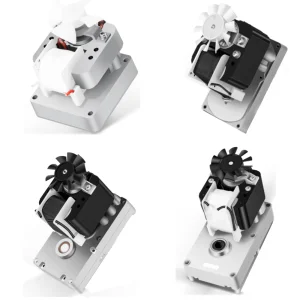
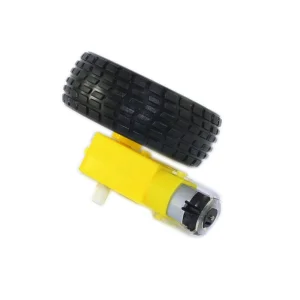
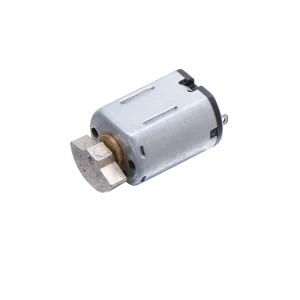
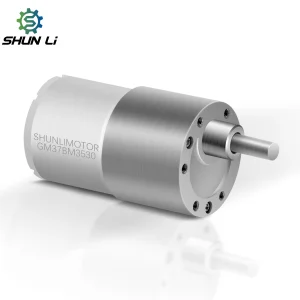
Featured Low-Noise Precision Motors
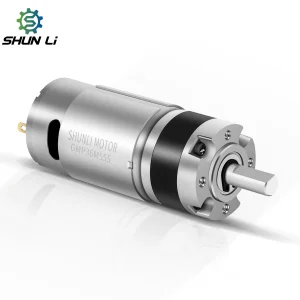
Explore our premium micro motors engineered with tight tolerances and advanced internal design to deliver high torque with minimum acoustic footprint.
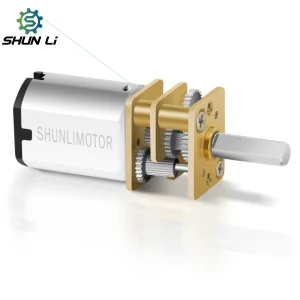
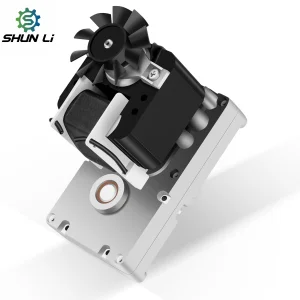
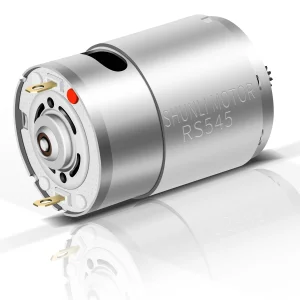
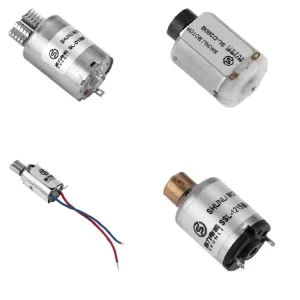
Valex Motor: Industrial-Grade Micro Motors Built for Reliability
Looking for a transparent, direct-from-source China factory to secure your miniature motor supply chain without the middleman markups? Valex Motor is engineered for your peace of mind. We deliver world-class precision drives directly from our manufacturing floors to global production lines under strict zero-defect quality control.
As micro-motors integrate into increasingly sensitive applications, acoustic emissions have transitioned from a luxury specification to a core engineering threshold. Our commitment is simple: minimizing mechanical noise and electromagnetic interference through advanced metallurgy, premium design, and rigid compliance standards. Whether you are engineering automated lock gearboxes, medical infusion drives, robotic joints, or smart automotive actuators, we construct micro-motors that function consistently underneath the background noise floor.
The Valex Motor Advantage at a Glance:
- 20+ Years of Manufacturing Integrity: Established heritage ensuring mature automated production lines and perfectly repeatable batch consistency.
- 100% In-House Performance Testing: Every single motor is rigorously tested for torque, speed, and acoustic noise under industrial loads before shipping.
- Rapid Custom Prototyping: We don't say no to complex blueprints. We modify shafts, gearheads, wire harnesses, and encoders to fit your housing perfectly.
- Global Compliance Ready: All products are built fully compliant with international CE, RoHS, and REACH safety standards.
When your brand’s reputation relies on repeated, flawless mechanical motion, let Valex Motor handle the power. Get in touch with our English-speaking technical support team today for factory-direct quotes and working samples.
The Science of Silent Motion: Engineering Low-Noise Micro Motors
In modern electromechanical design, the acoustic signature of a device is directly correlated with its perceived quality. Consumers and professional operators demand seamless, silent operation in personal electronics, medical apparatus, and vehicle interiors. To satisfy these requirements, a deep understanding of the structural, electromagnetic, and mechanical factors that induce motor vibration is essential.
Understanding the Core Sources of Micro-Motor Noise
To systematically eliminate unwanted acoustic emissions, our engineering teams focus on three primary noise components:
1. Electromagnetic Vibration
Fluctuations in magnetic flux density cause microscopic distortions in the stator core, generating high-frequency humming. Our factories counteract this with precision stator skewing and dynamic balance control of rotor windings, producing a uniform, continuous magnetic field.
2. Mechanical Friction
Sub-standard bearings and uneven brush commutation yield physical ticking sounds. By importing Japanese ball bearings and deploying self-lubricating sintered bronze sleeves, we reduce friction coefficients and extend motor service limits.
3. Gear Mesh Backlash
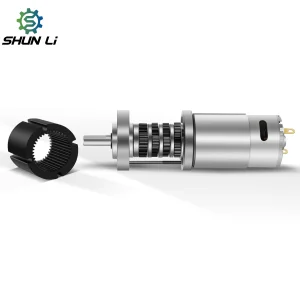
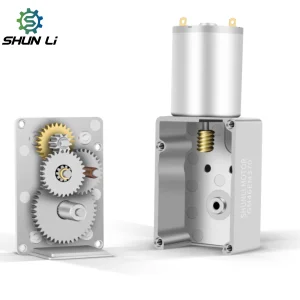
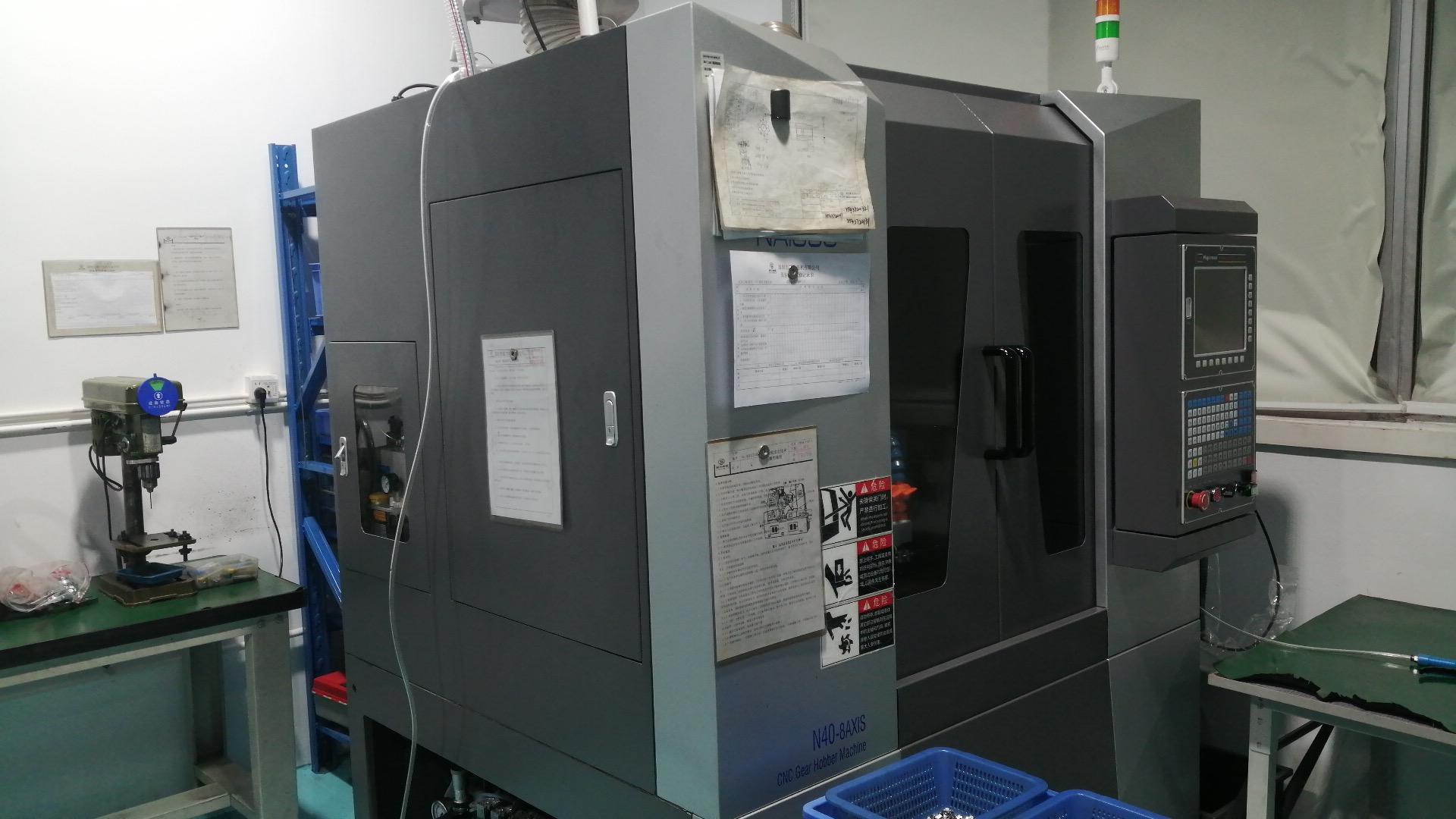
In low RPM, high torque planetary gearboxes, micro misalignment of teeth causes high-pitched whine. Valex combats this via automatic gear riveting and high-precision horizontal gear hobbing machinery, maintaining tooth profile variations below 0.005mm.
Acoustic Characterization Across Various Motor Types
Different topologies exhibit unique acoustic behaviors. The table below provides a reference framework for comparing standard motor types in terms of torque output, lifecycle, noise thresholds, and optimal deployments:
| Motor Configuration | Typical Noise Level | Standard Lifespan | Principal Advantages | Optimal Sourcing Scenario |
|---|---|---|---|---|
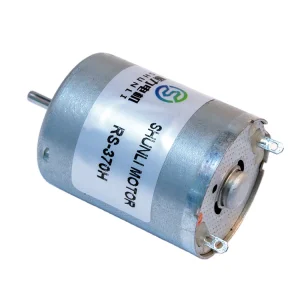
| Brushless DC Motors (BLDC) | < 25 dB | > 20,000 hrs | Zero brush noise, superior thermal dispersion, optimal reliability. | Premium medical systems, continuous duty ventilation, robotic actuators. |
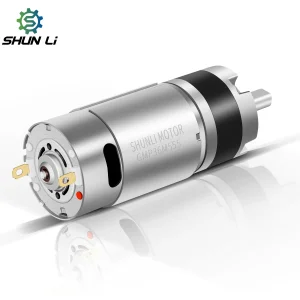
| Planetary Gear Motors (Brush DC) | < 38 dB | 3,000 - 5,000 hrs | Compact footprint, high torque multiplication, low backlash options. | Access control locks, smart home blinds, consumer robots. |
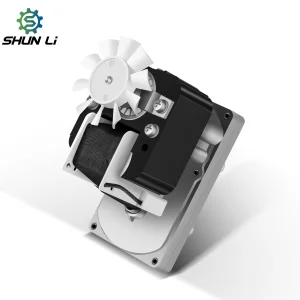
| Shaded Pole AC Motors | < 40 dB | 5,000 - 8,000 hrs | High thermal resistance, simple configuration, cost-efficient. | Domestic ovens, drying chambers, ventilation exhaust. |
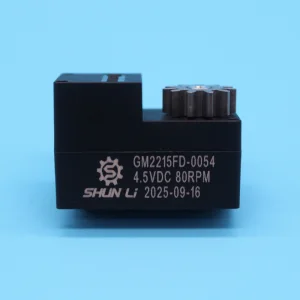
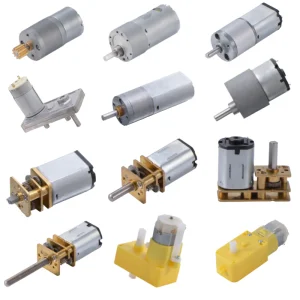
| Micro N20/N30 Gear Motors | < 30 dB | 1,500 - 3,000 hrs | Ultra-miniature, standardized design, quick customization parameters. | Automated smart locksets, portable instrumentation, cameras. |
Decibel Level Comparison by Application Sector
China Factory Advantage: Advanced Production and Quality Testing
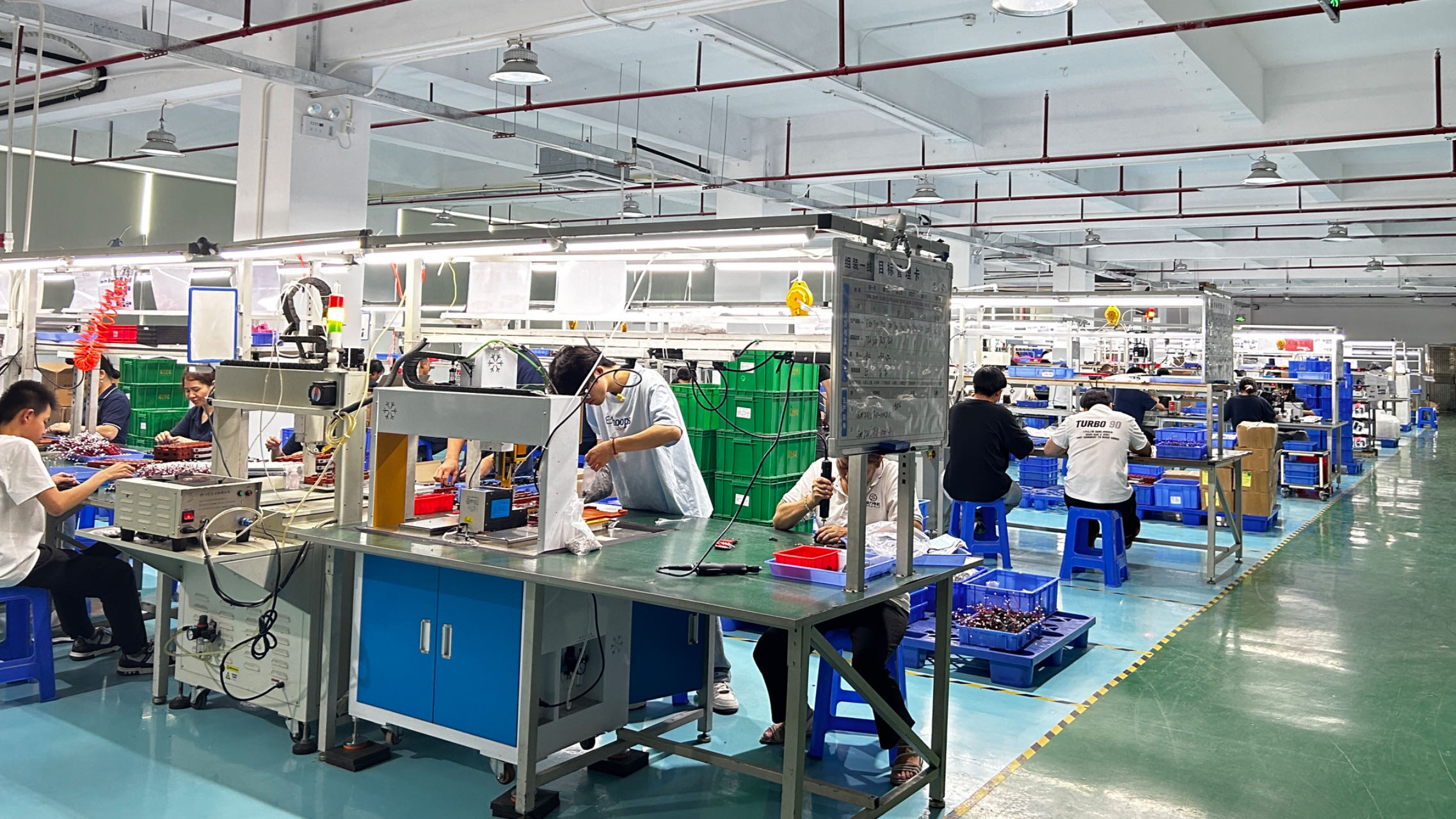
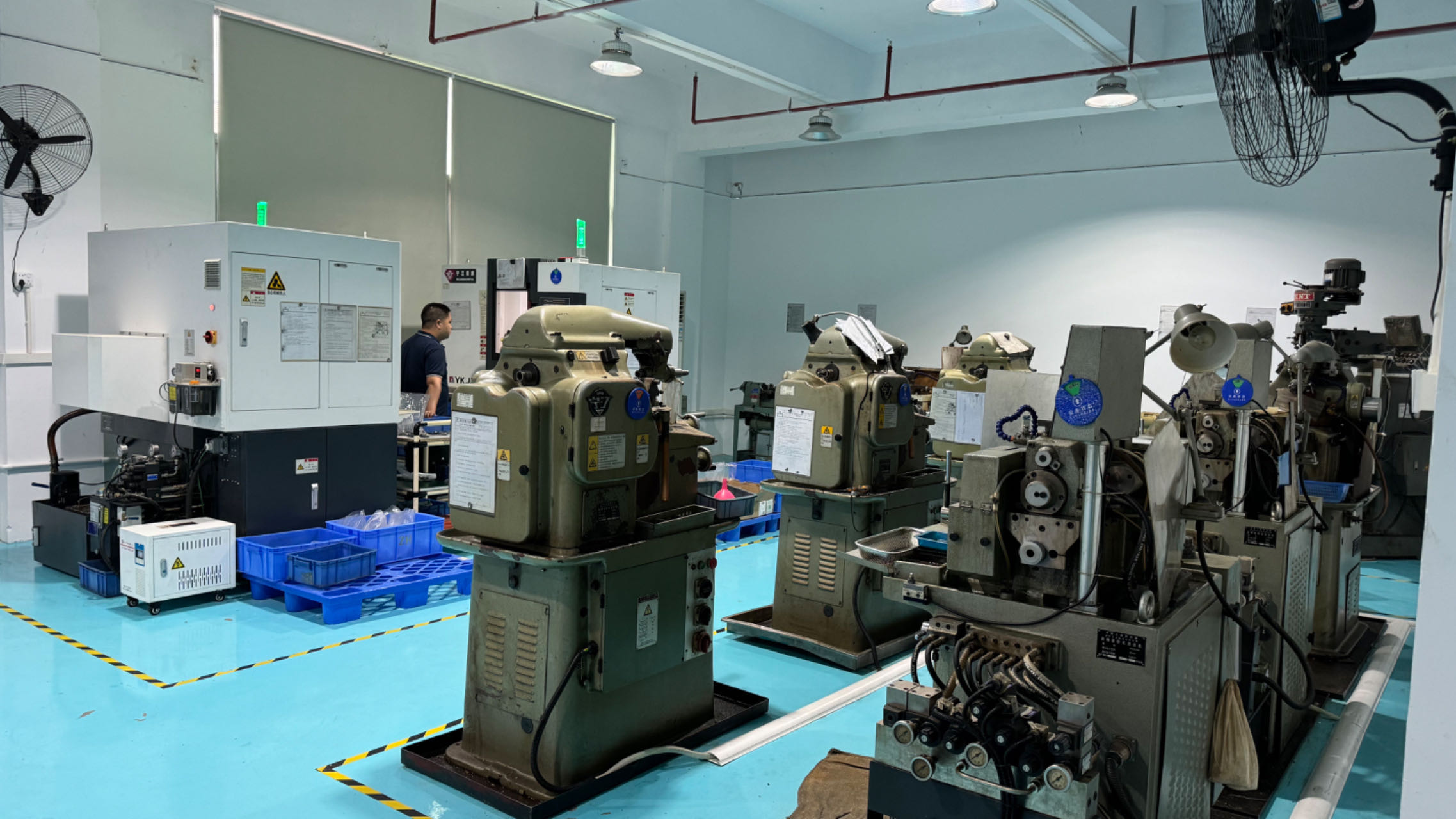
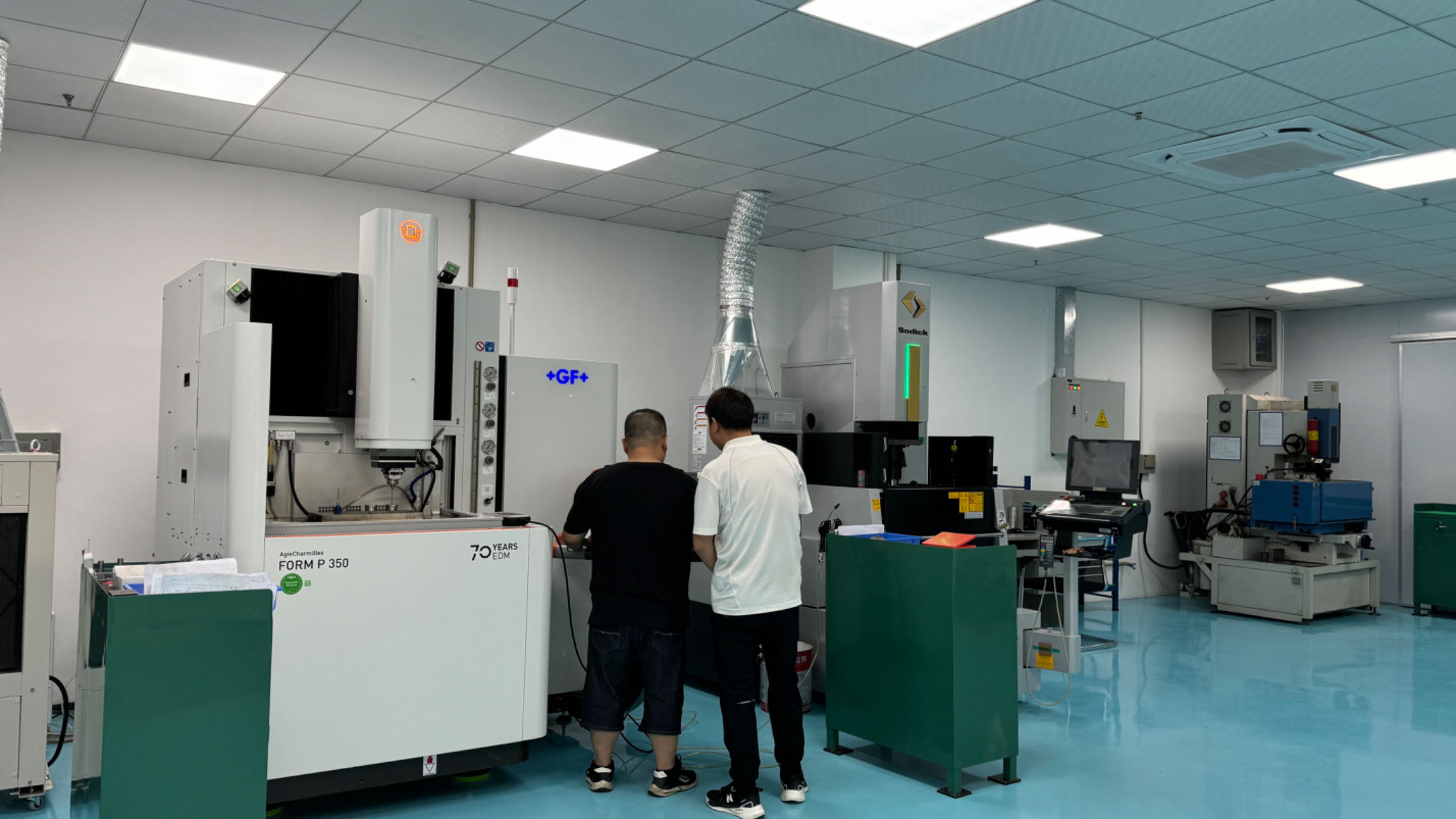
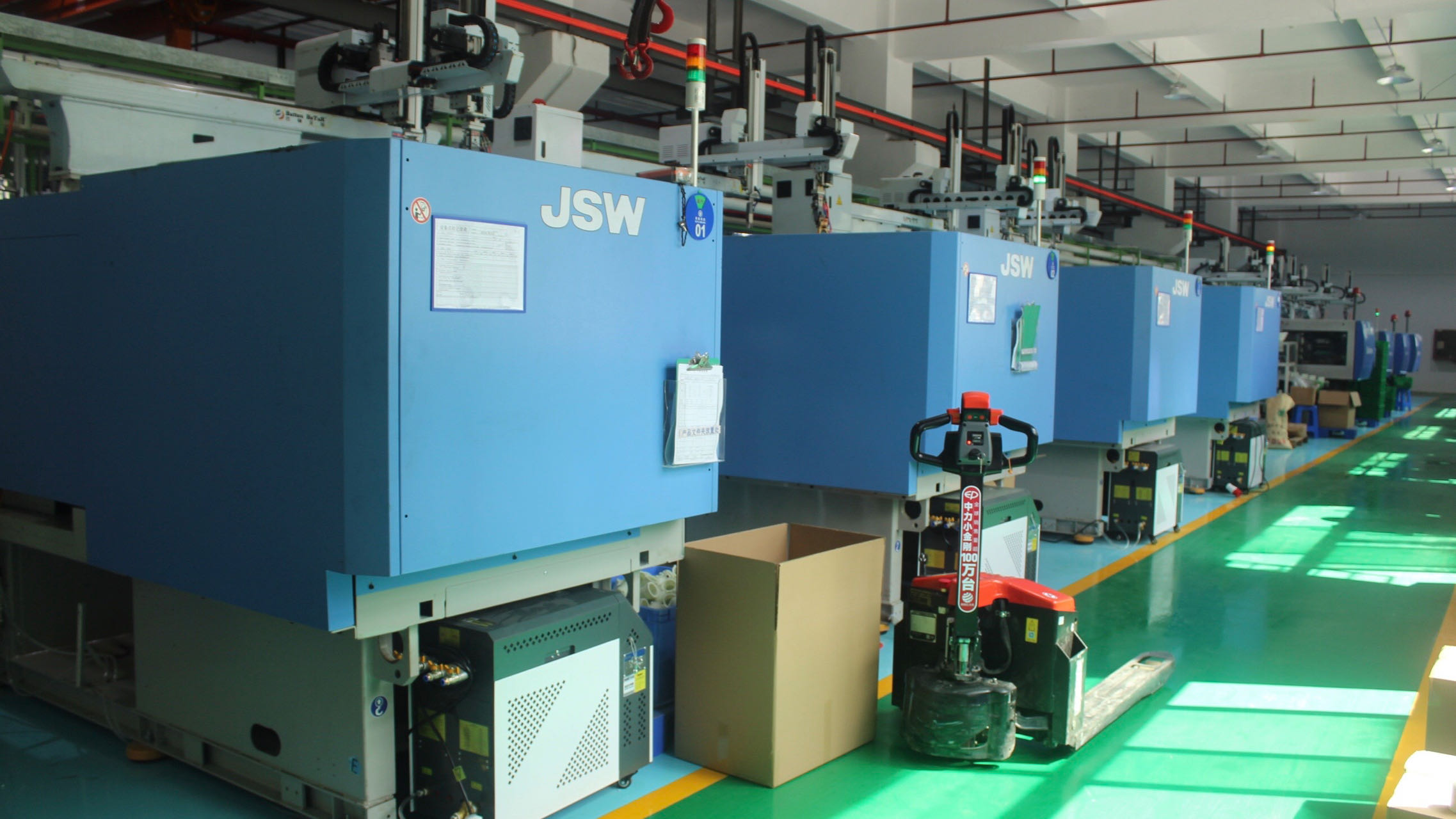
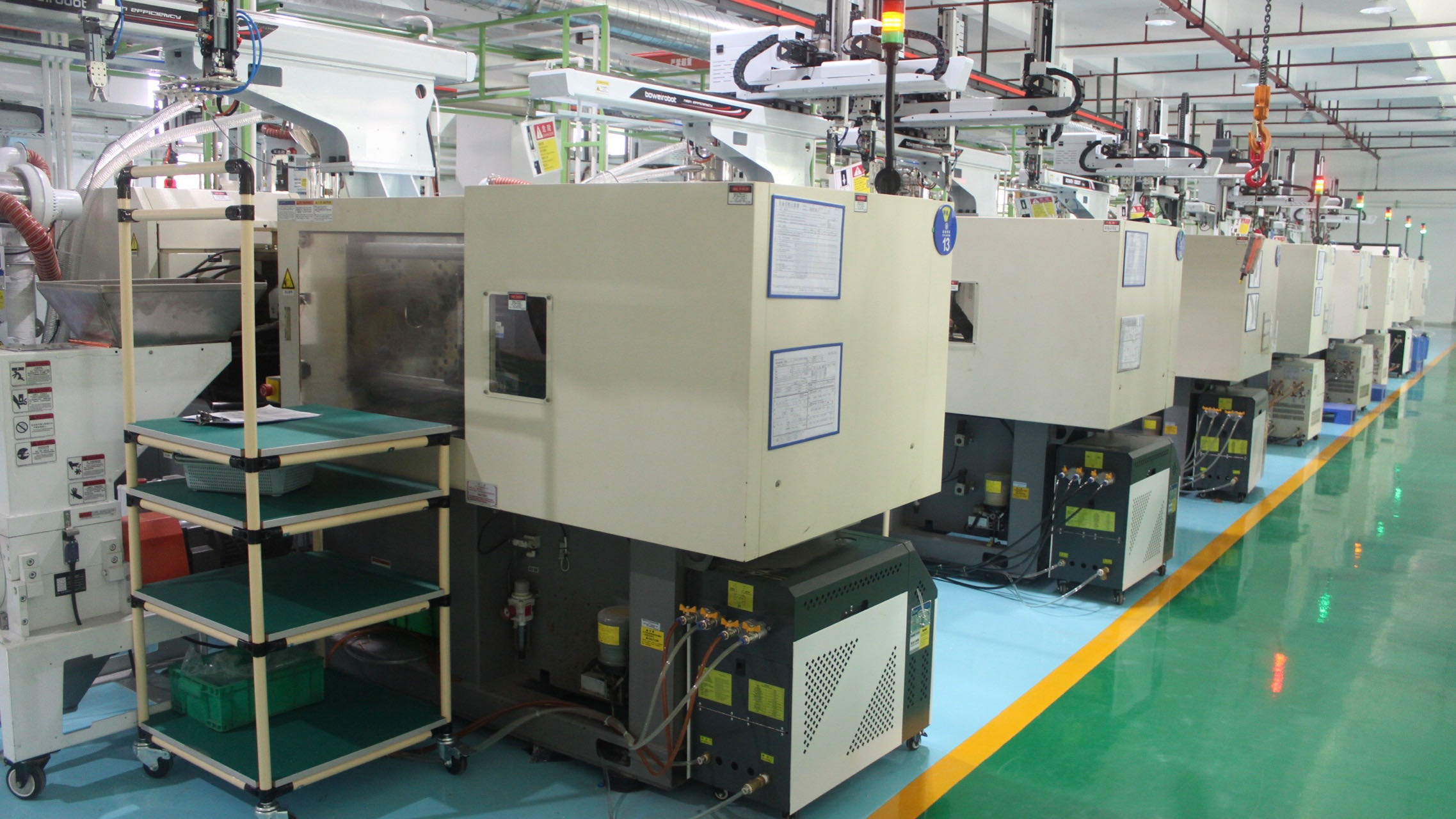
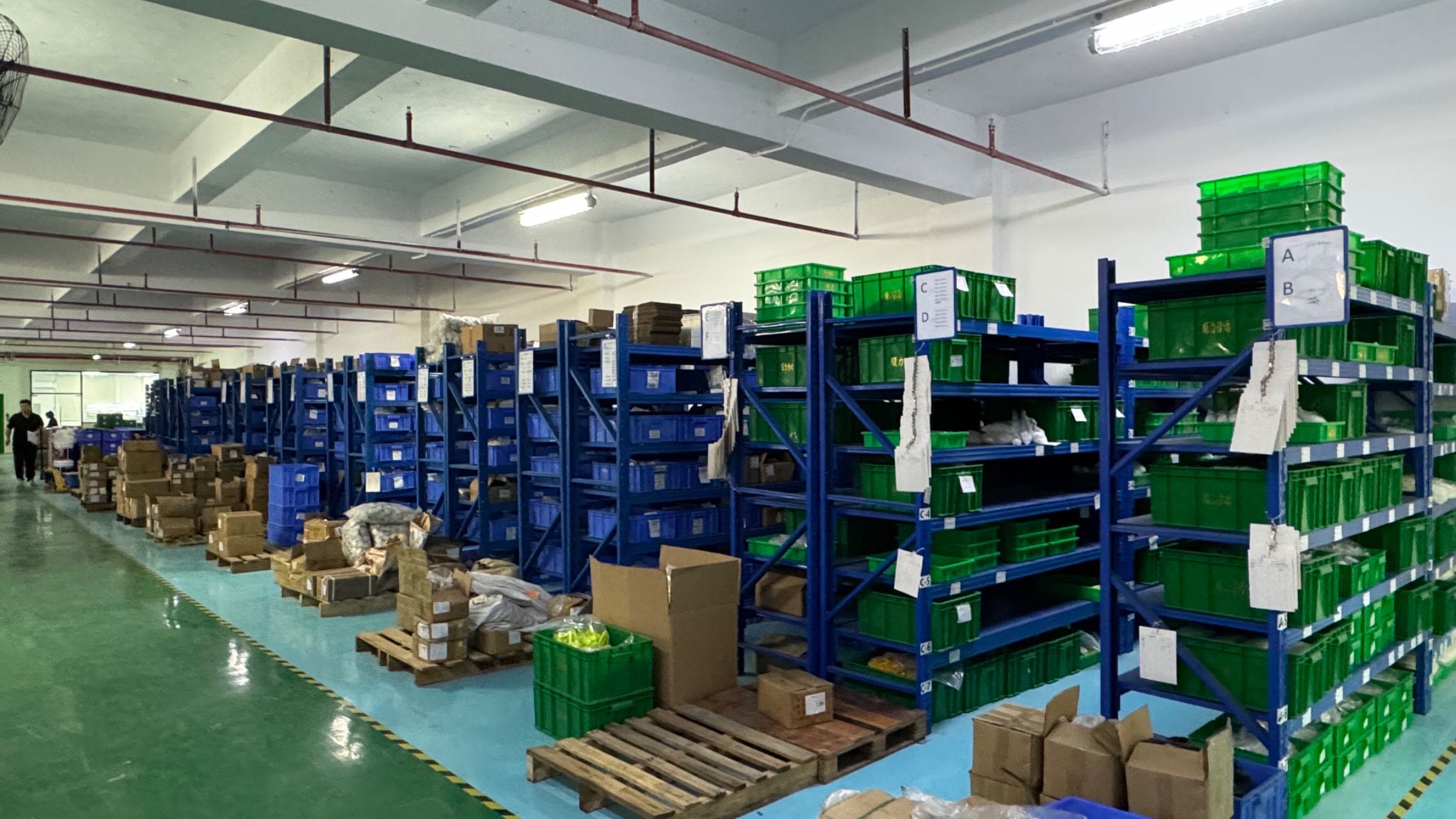
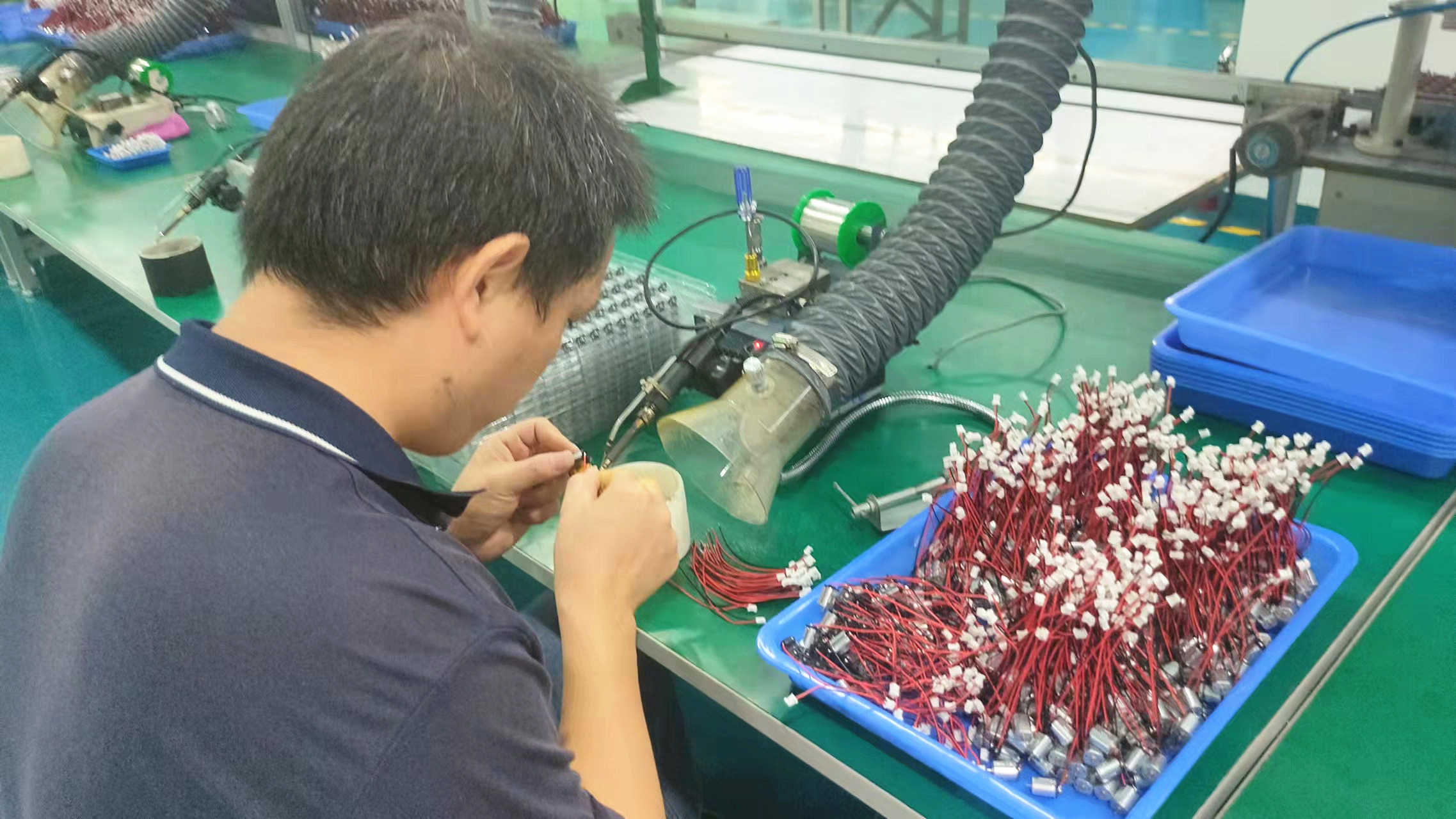
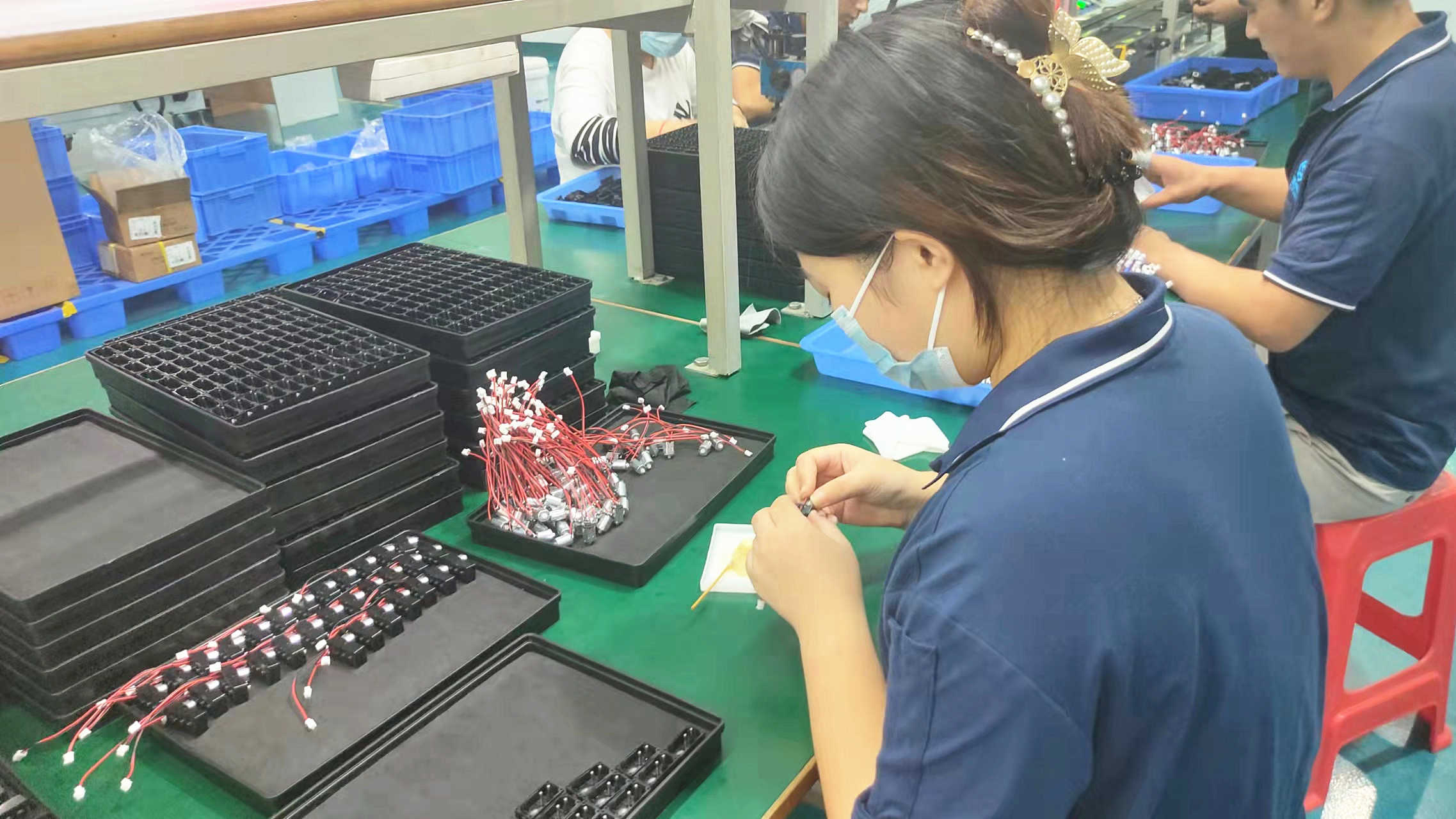
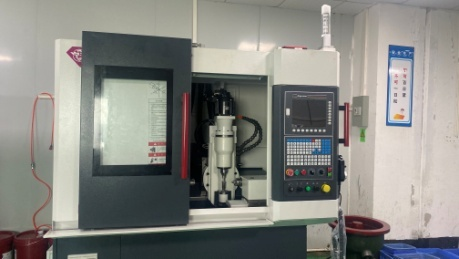
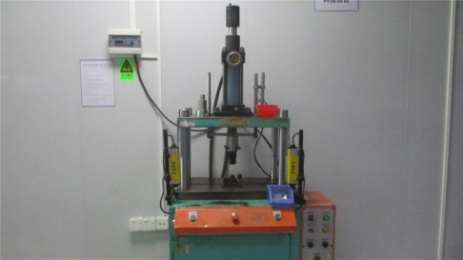
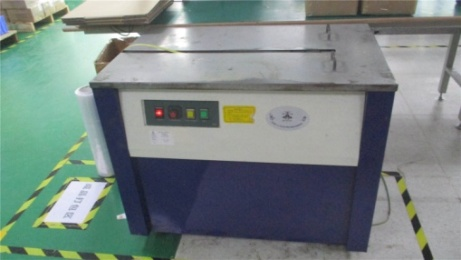
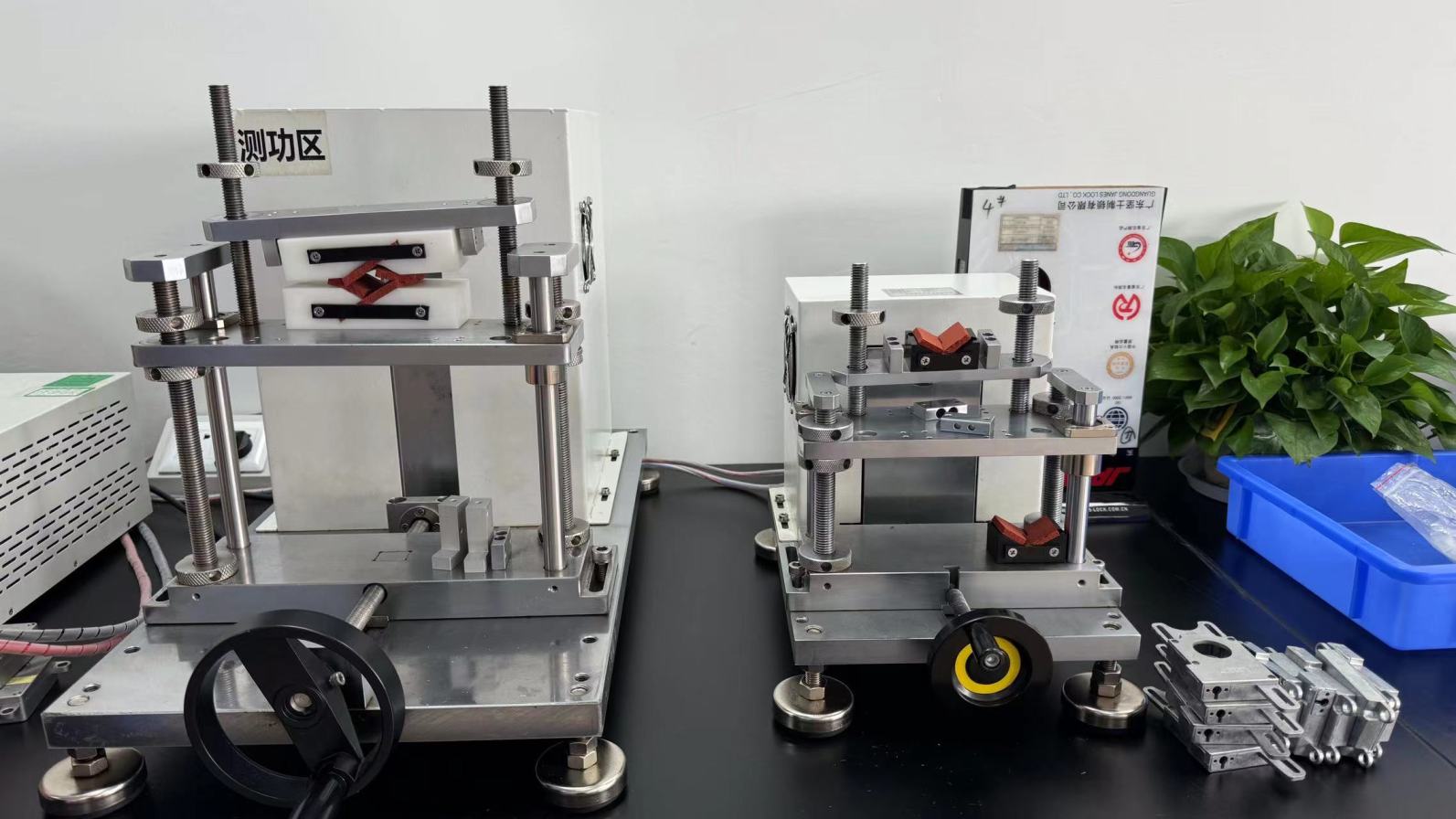
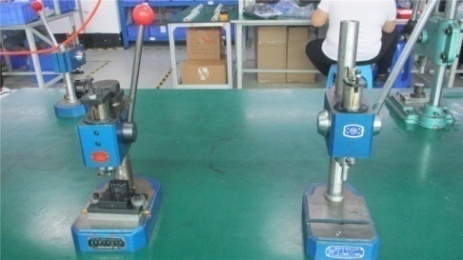
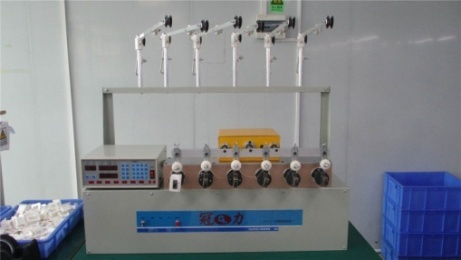
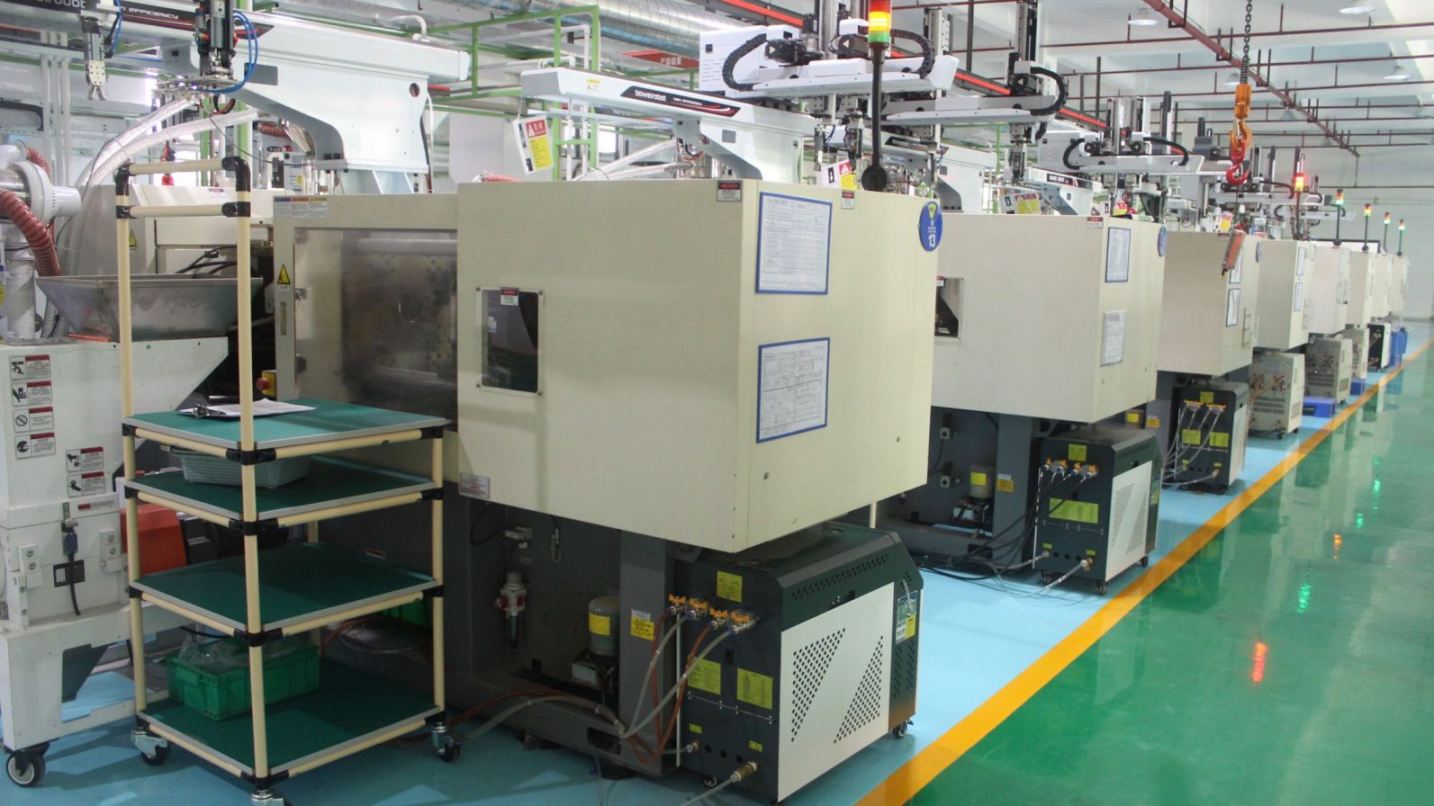
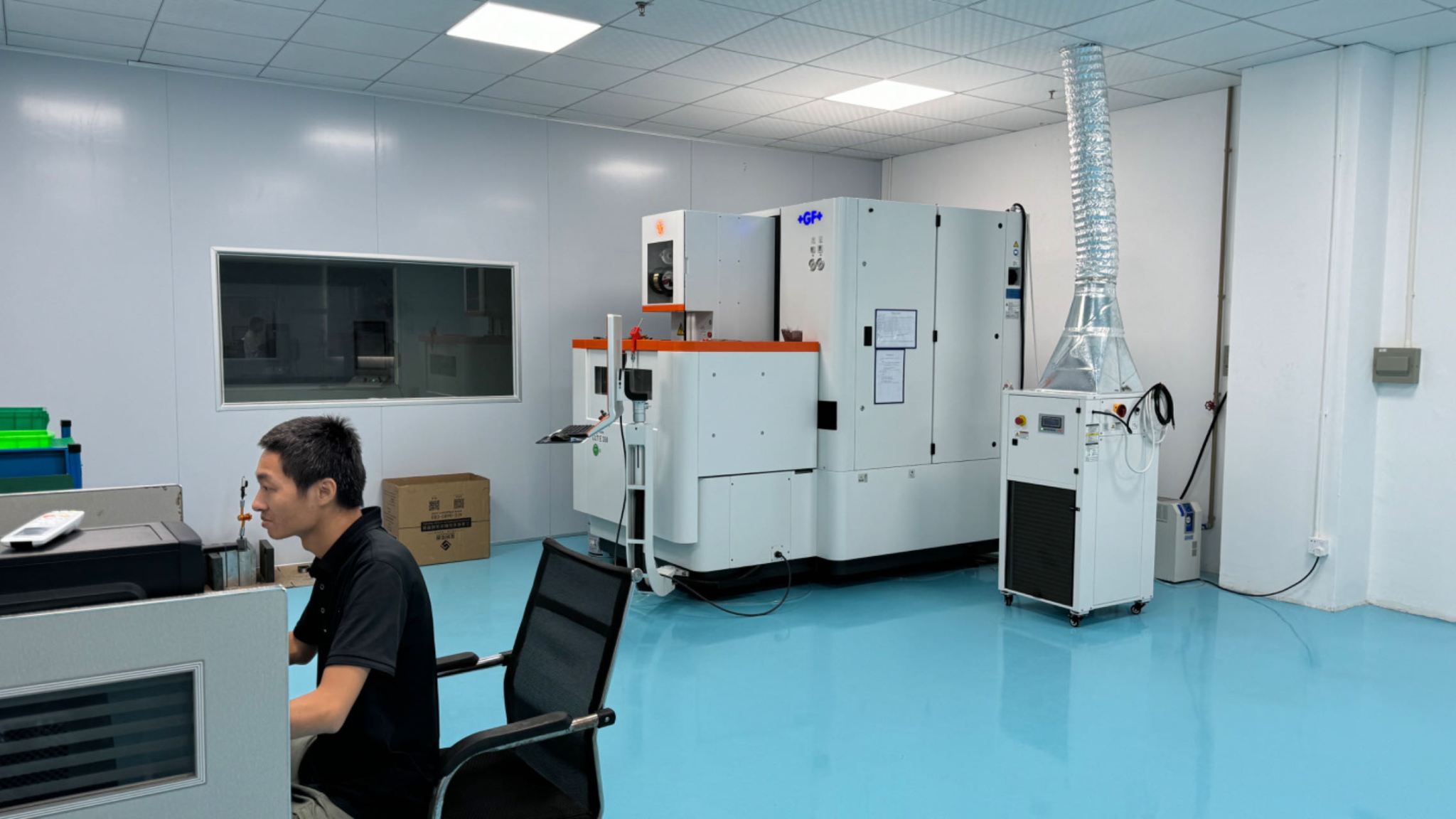
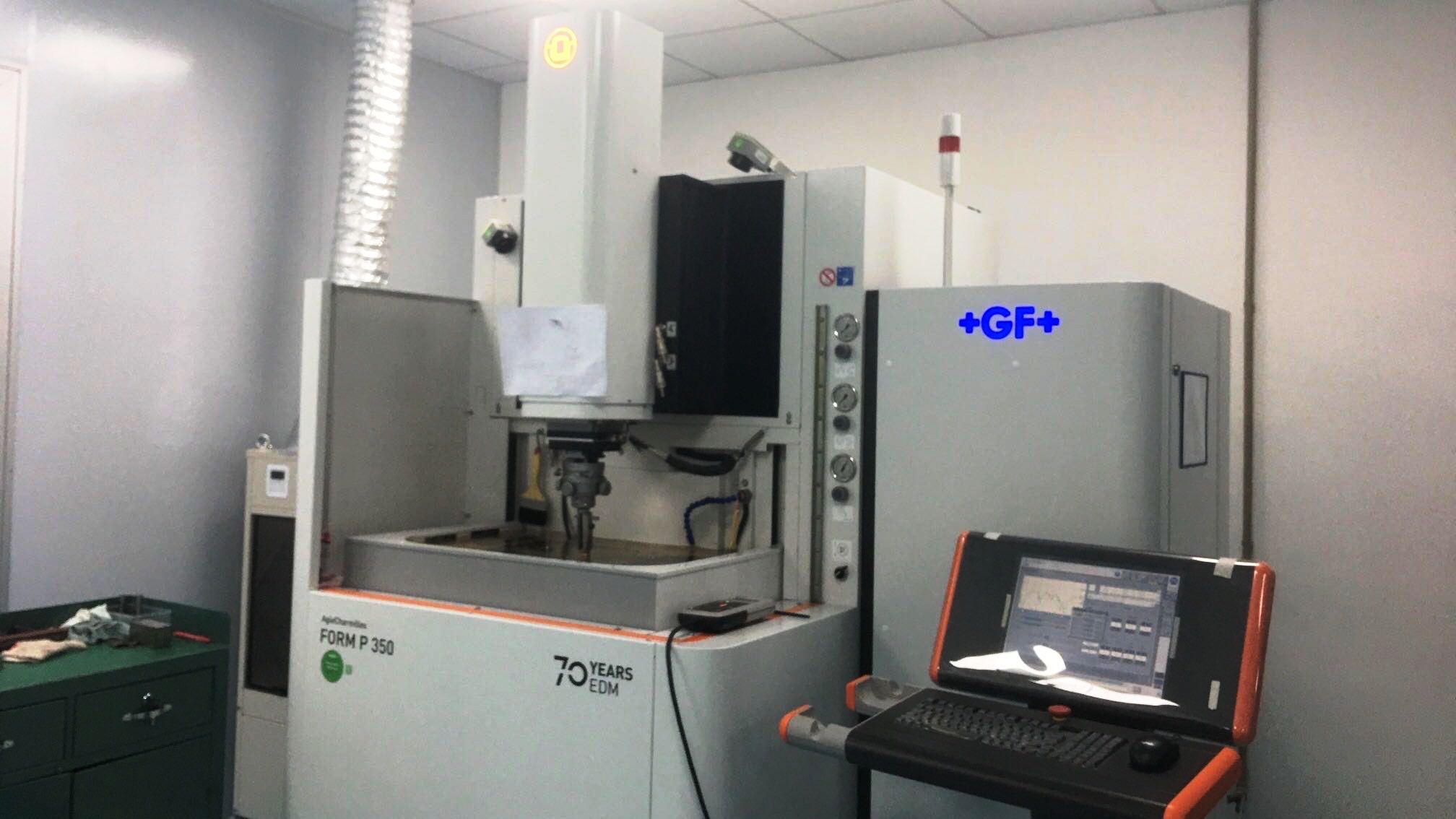
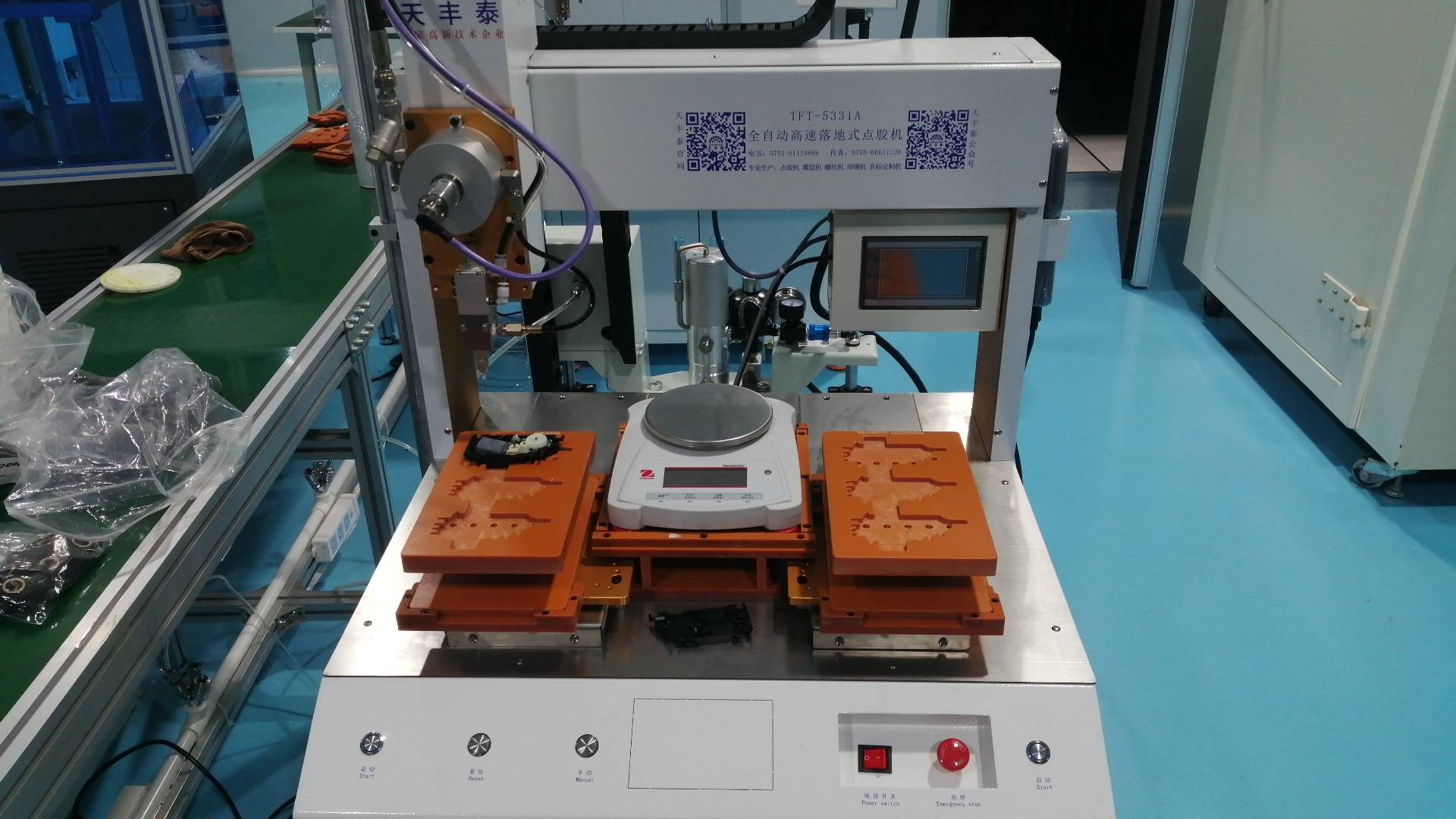
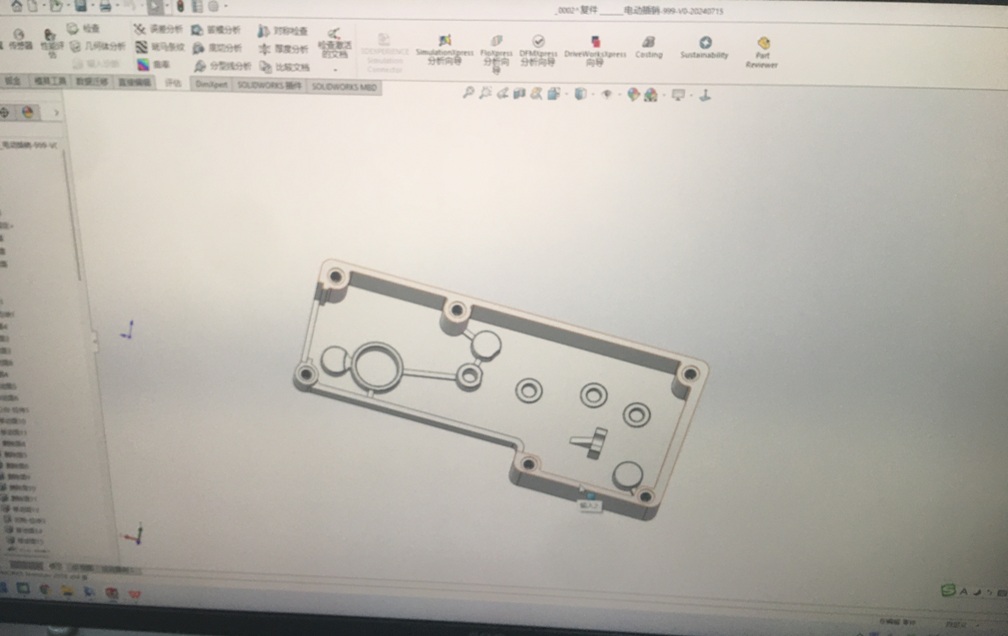
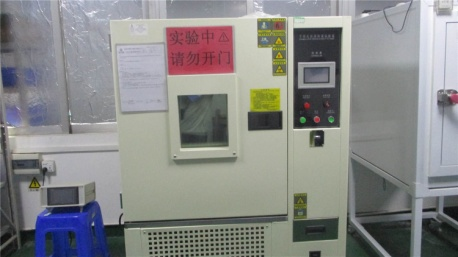
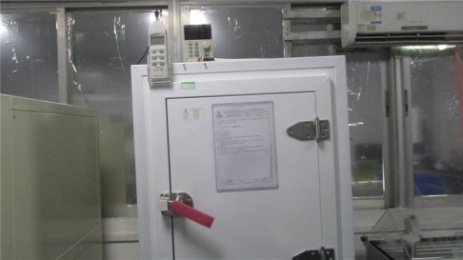
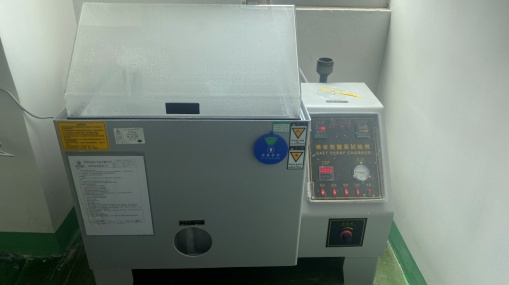
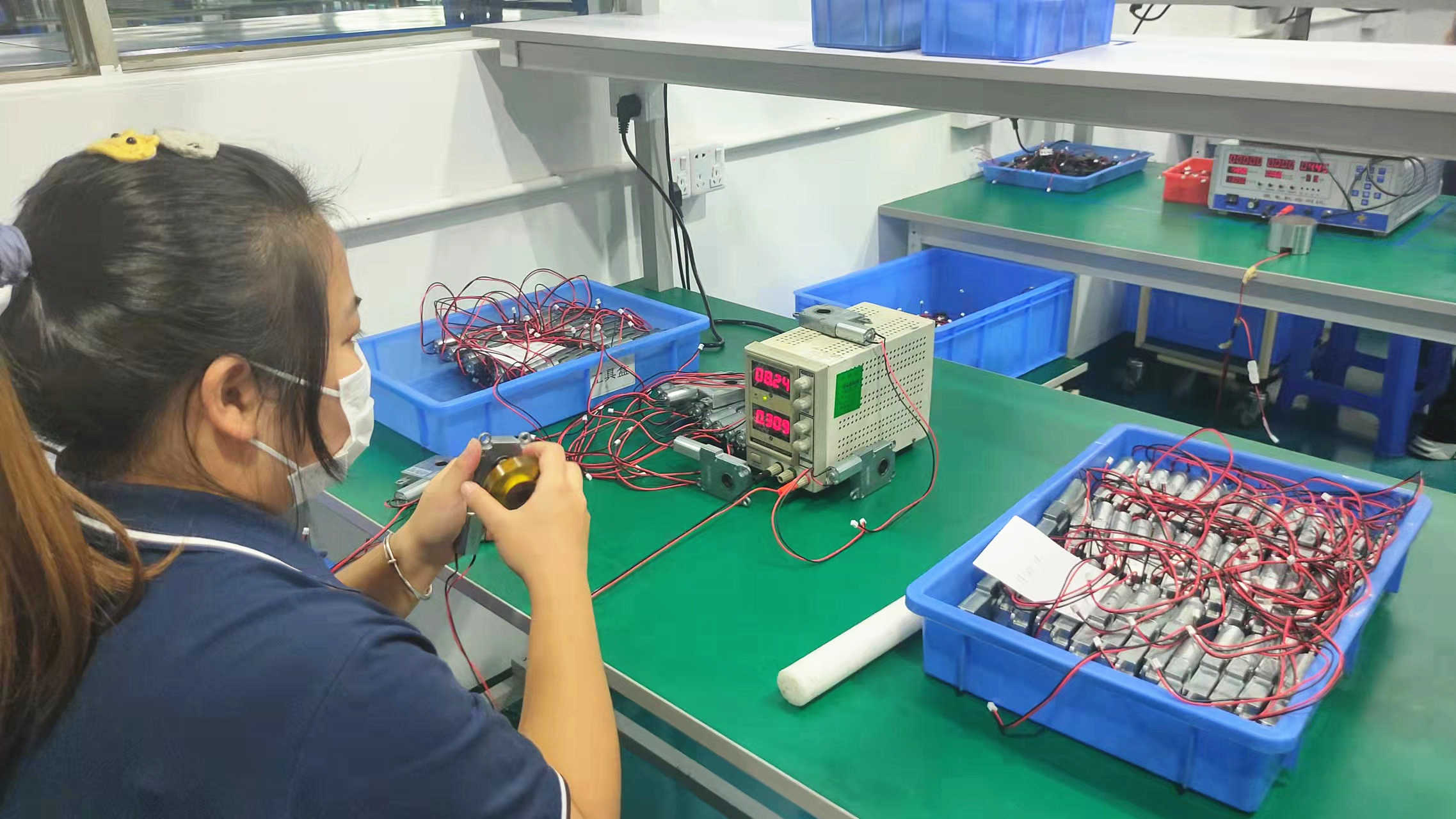
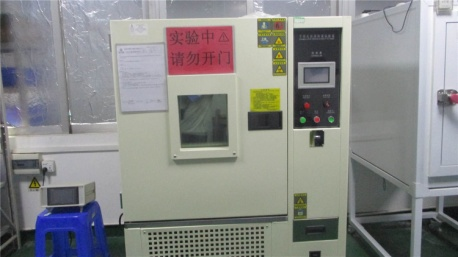
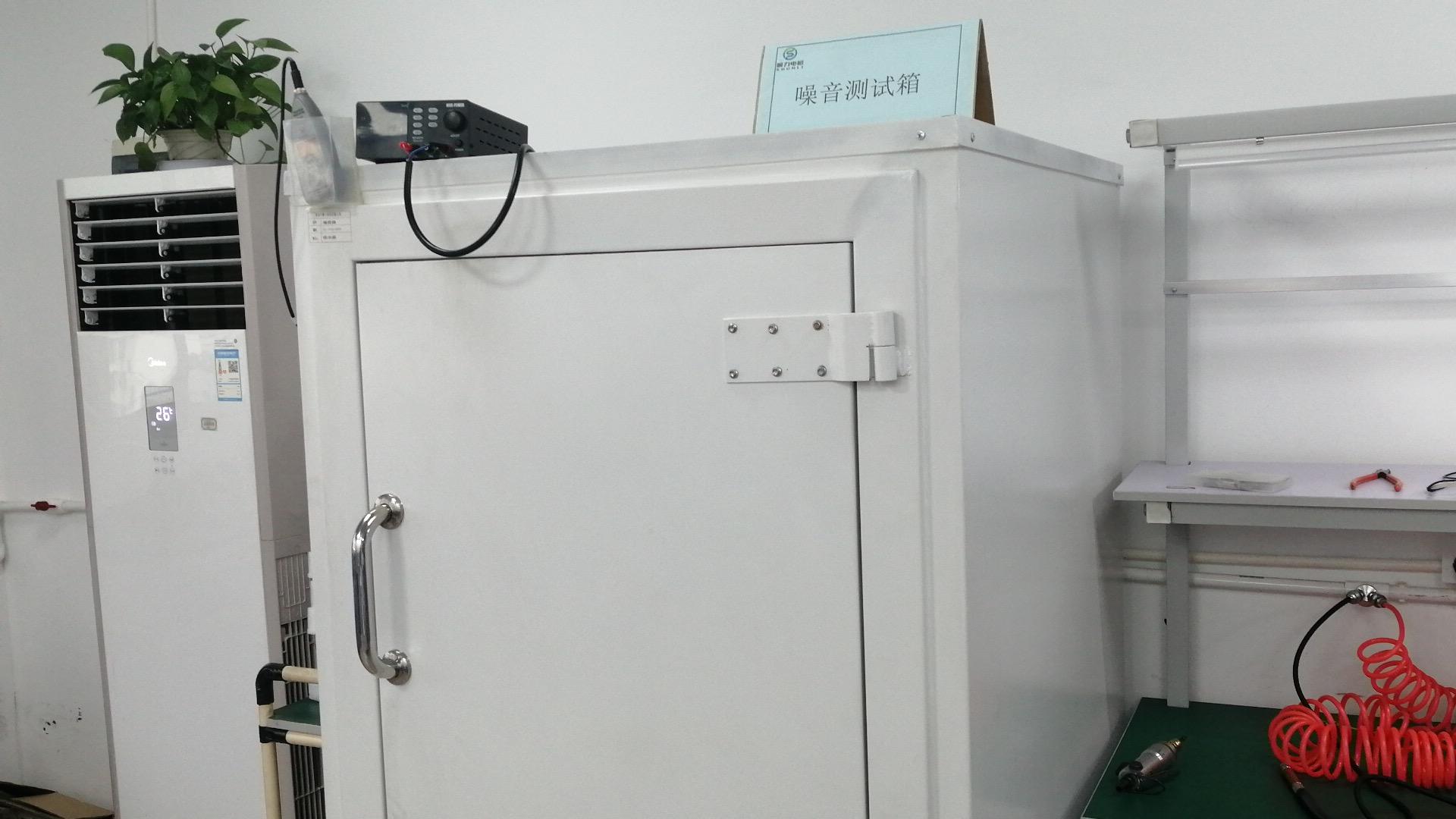
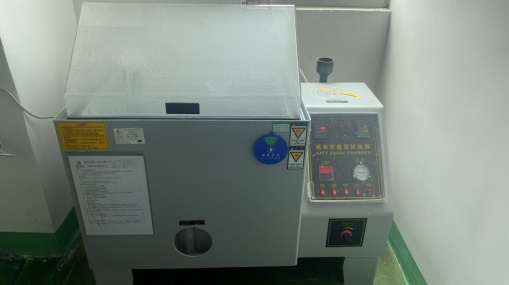
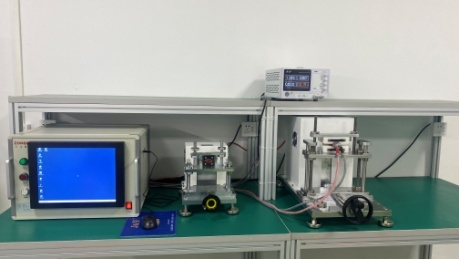
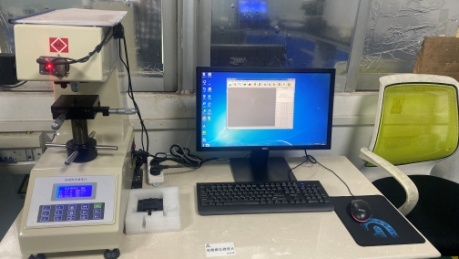
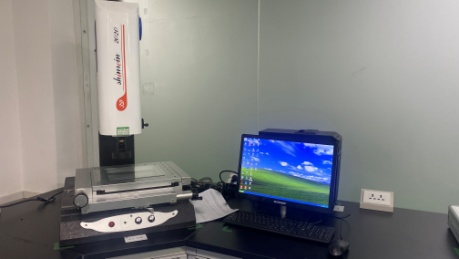
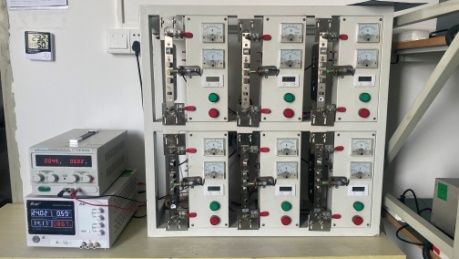
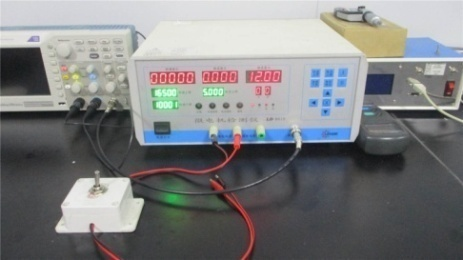
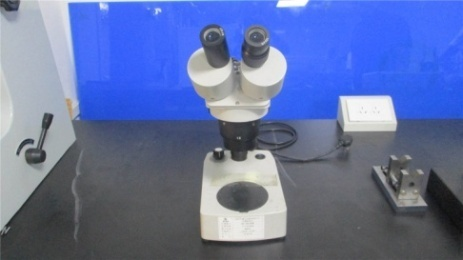
Our state-of-the-art facilities in China leverage automated production lines, imported CNC machinery, and complete environmental validation labs to deliver consistent quality across millions of units.
Factory Site Overview
End-to-End Production Process Flow

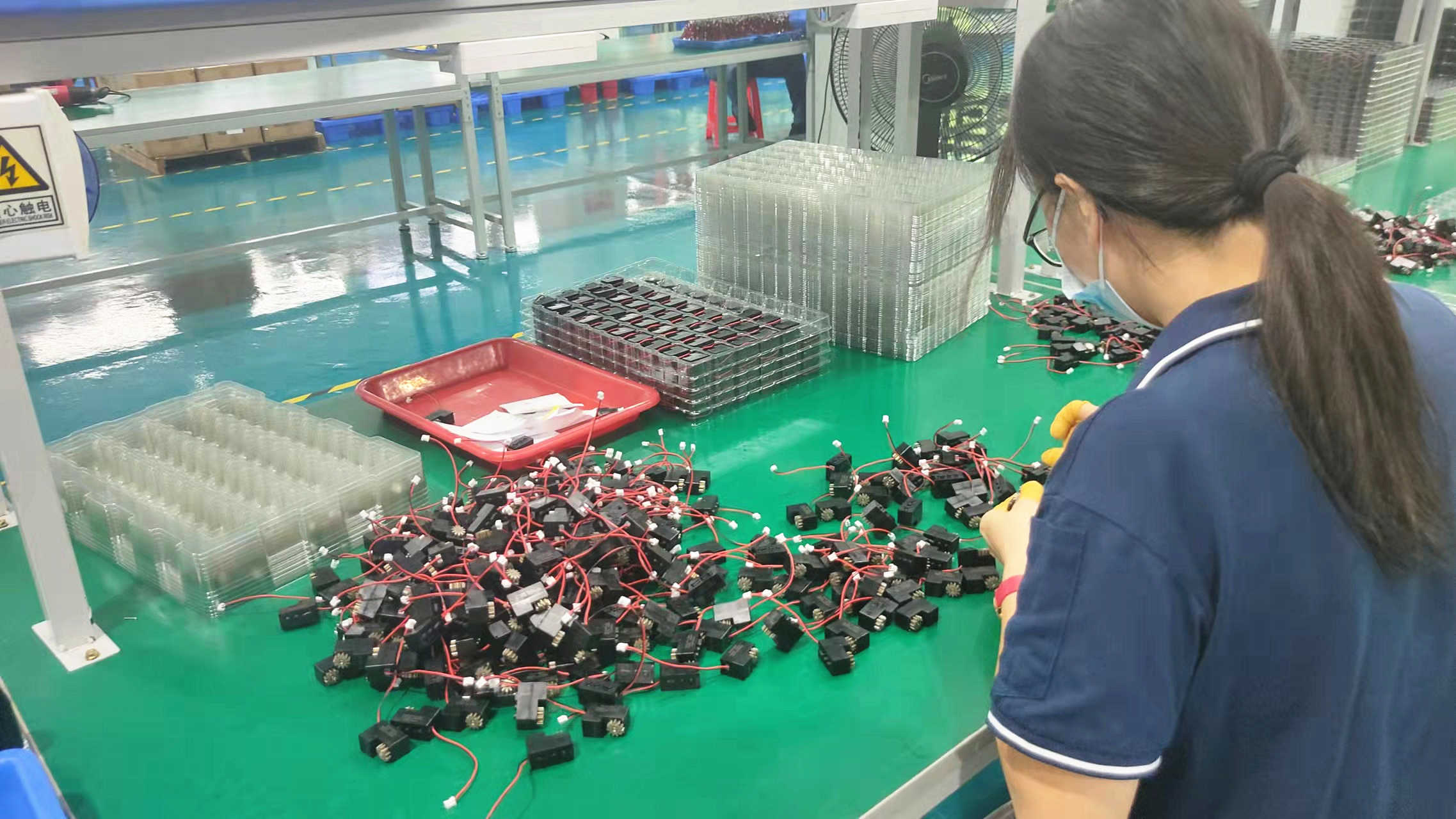
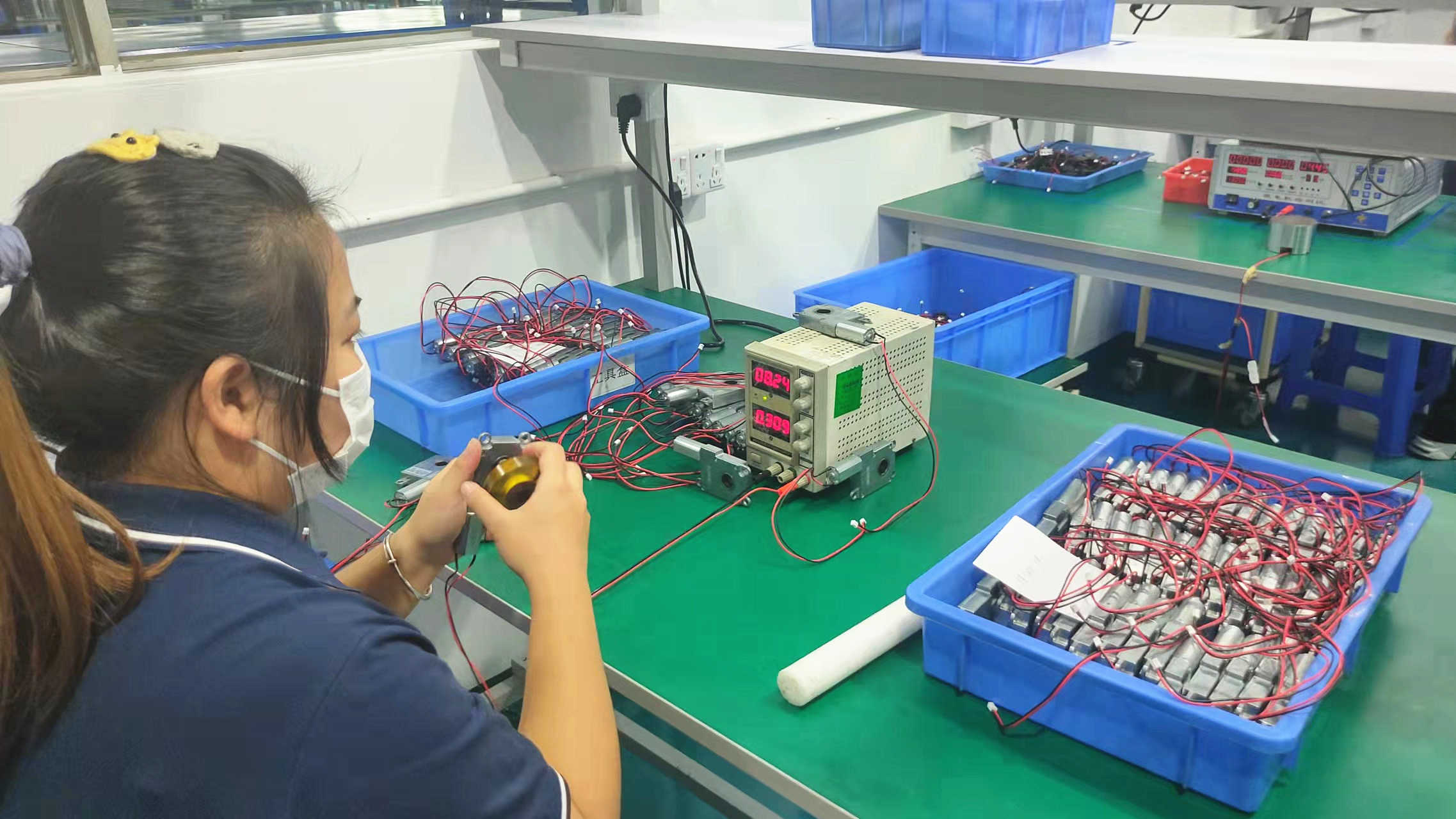
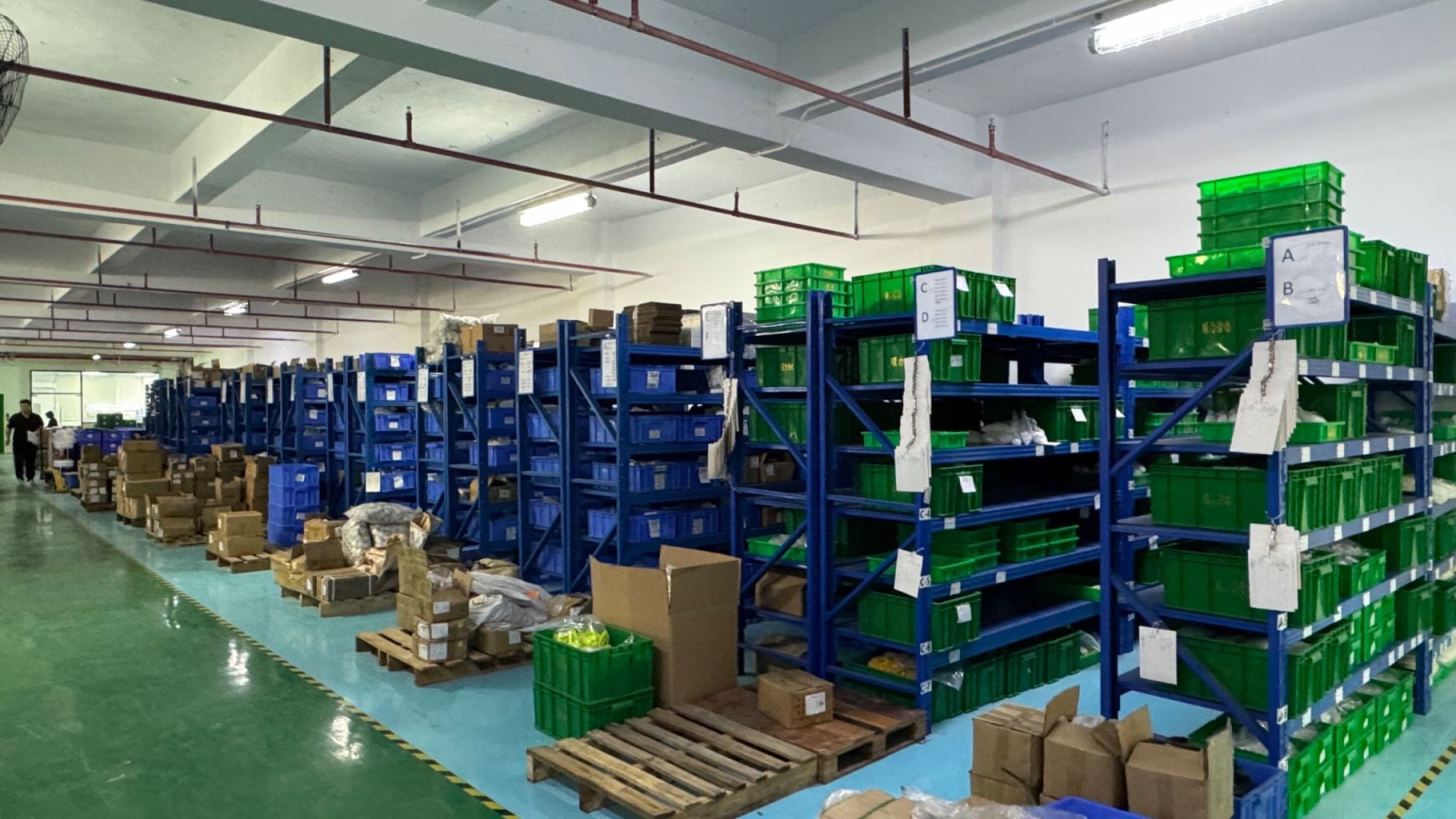
Advanced Manufacturing Machinery & Tooling
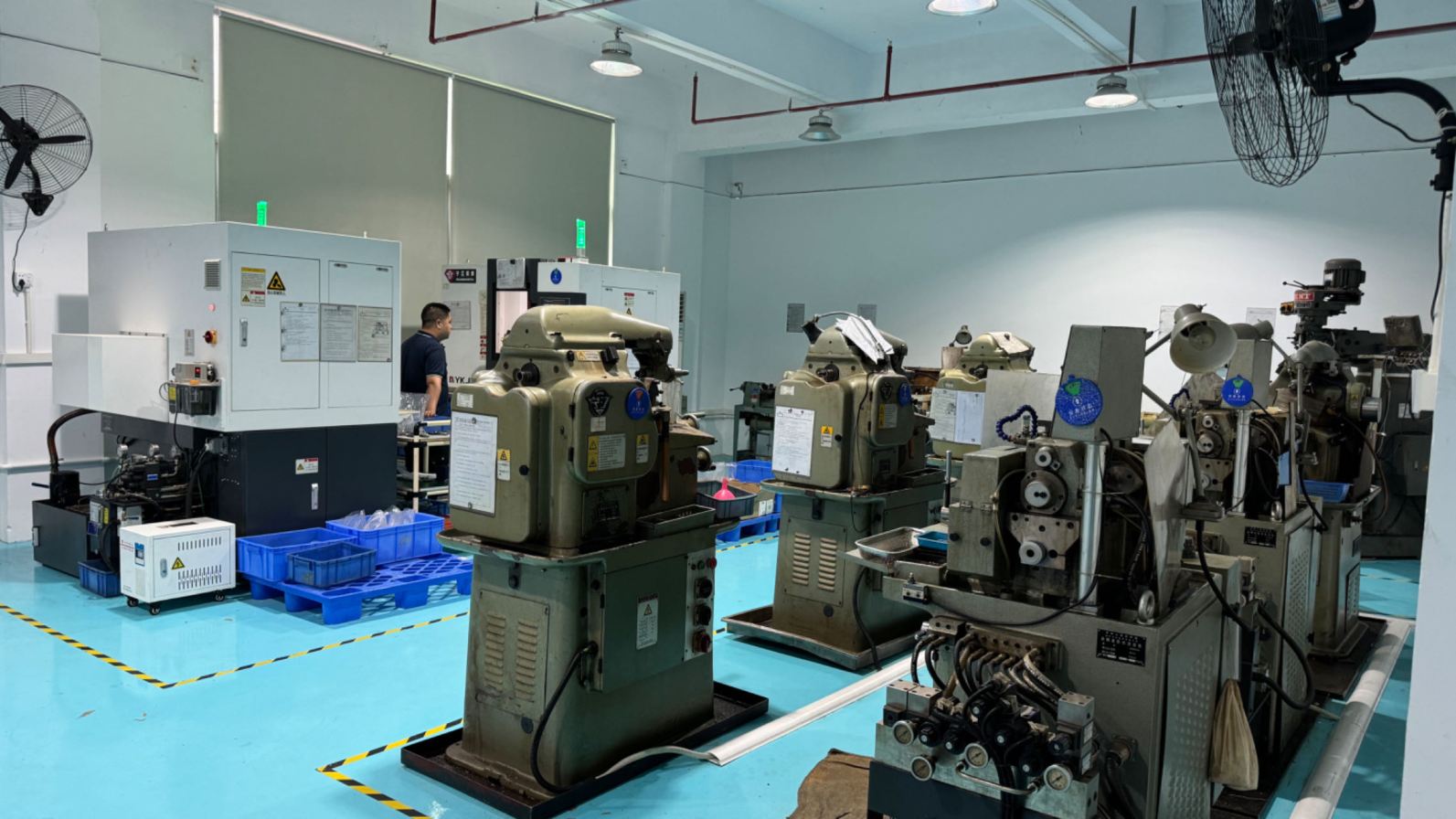
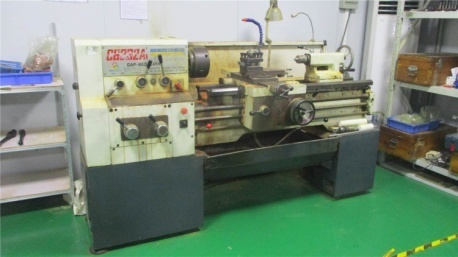
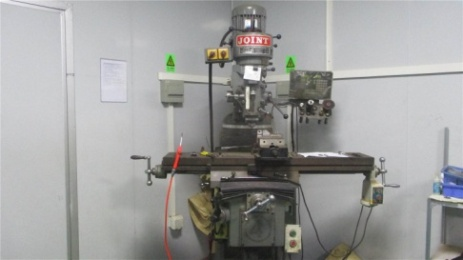
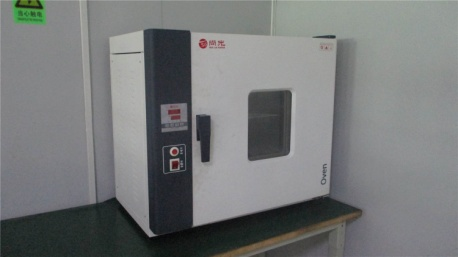
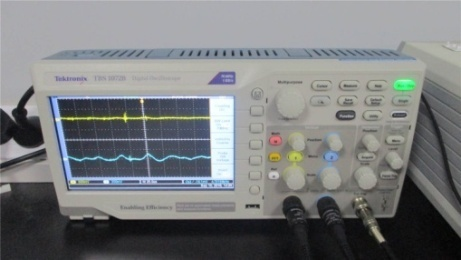
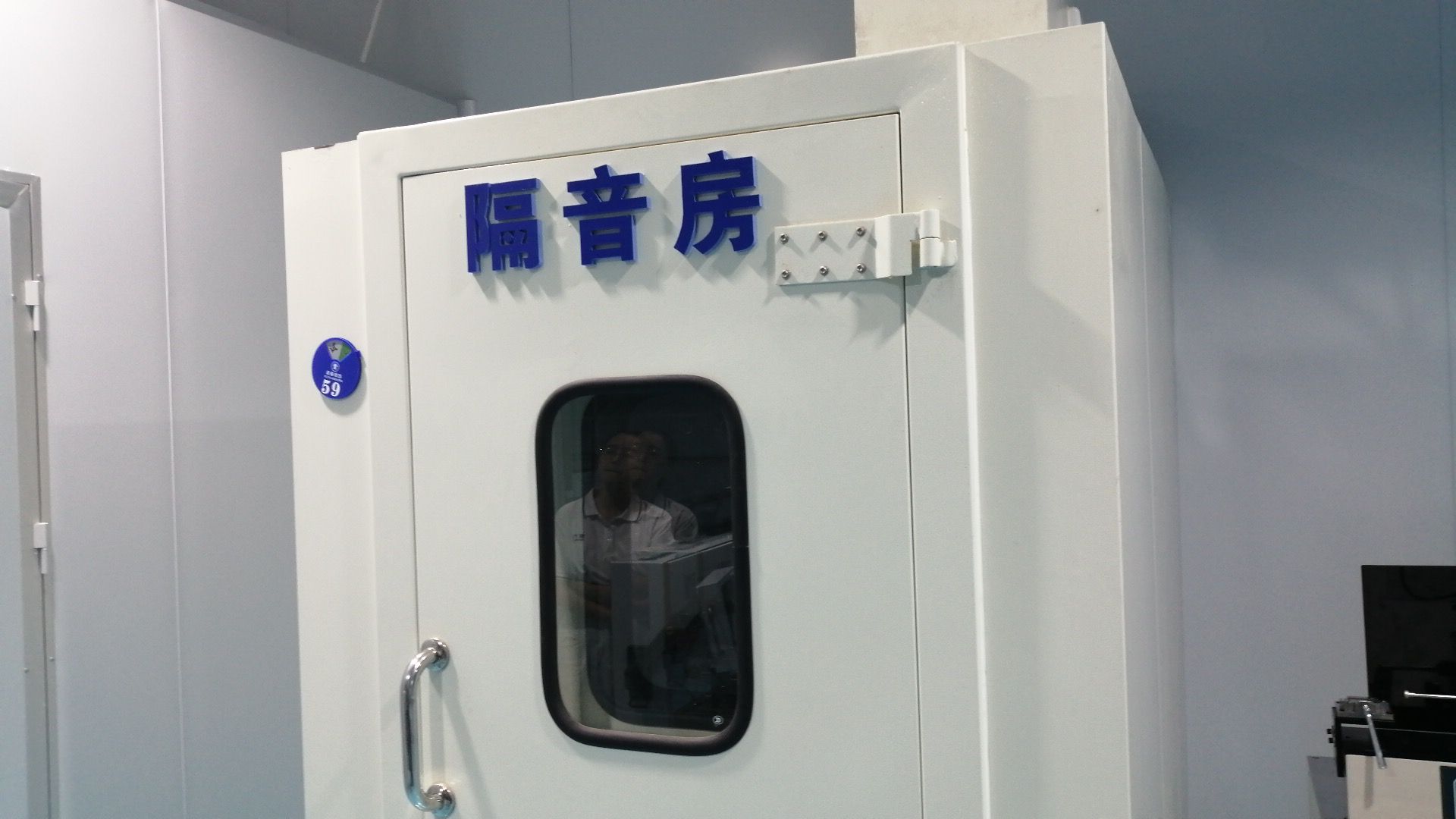
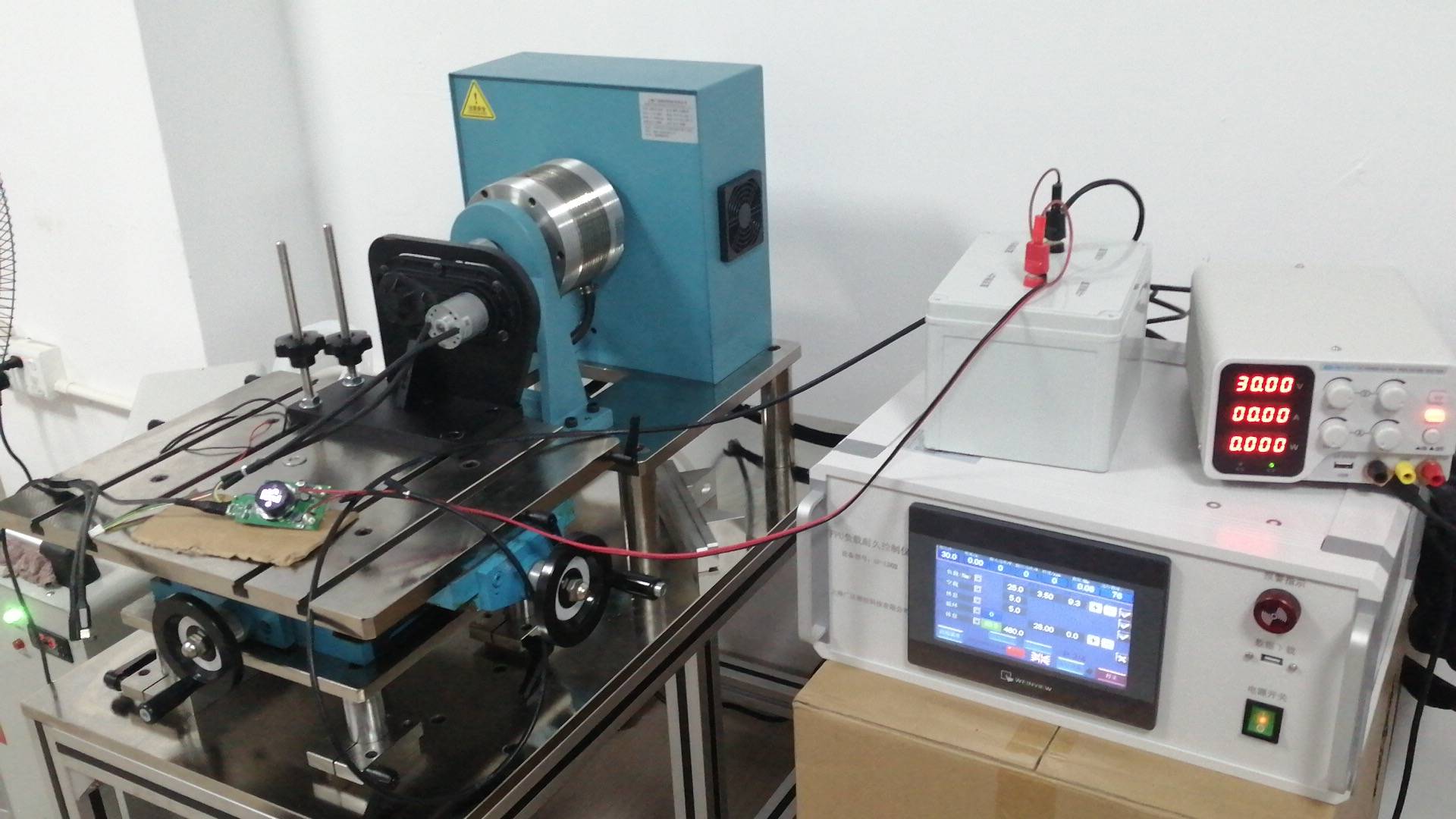
Design Validation & Laboratory Infrastructure
Global Procurement Demands and Strategic Industry Solutions
Industrial purchasing teams face a constant trade-off between pricing efficiency and technical consistency. Choosing a direct China wholesale supplier eliminates intermediary markup and streamlines the engineering feedback loop. However, to guarantee success in micro-motor integration, sourcing agents must focus on precise integration pathways.
Key Sourcing Guidelines for Low-Noise Drive Units:
1. Confirm Actual Acoustic Parameters: Verify how noise data was gathered. Noise figures must be measured at rated loads inside a calibrated decibel chamber (typically <30dB at a 10cm distance). Simple, unloaded tests do not reflect the actual operating noise profile under load.
2. Address Shaft Radial and Axial Play: Micro displacements are magnified by gearboxes, generating vibration. Work with suppliers capable of locking down tolerances using specialized alignment tools like slow-feeding NC wire-cut machines.
3. Evaluate Material Performance Under Thermal Load: Ensure the vendor utilizes high-purity copper windings (up to Class H thermal classification) and low-friction brush options. This ensures long-term operational integrity and stable speed profiles under varying temperatures.
Key Industry Use Cases and Application Pathways
Smart Home Devices
Modern residential environments require silent automation. Our miniature gear motors (such as the N20 series and smart lock planetary reducers) run below 32dB, delivering high torque to throw door latches or tilt heavy window blinds without disruptive sounds.
Medical Instrumentation
Patient diagnostics require extremely quiet equipment. From automated blood pressure monitors utilizing quiet DC pump drives to patient-worn infusion systems, our micro motors provide steady, pulse-free pressure with minimal vibration.
Robotics & Automation
From robotic joint joints with high-precision encoders to high-torque exoskeleton drives, our custom planetary gearboxes ensure reliable angular placement with minimal backlash and quiet operation.
Technical Q&A: Low-Noise Motor Procurement
Read detailed engineering answers addressing mechanical noise, testing standards, customization options, and wholesale supply chain logistics.
Additional High-Efficiency Motors & Gearboxes
Browse our expanded portfolio of permanent magnet DC motors, planetary gearboxes, and specialized micro drives.