Valex Motor
Featured Micro Drive Systems: Engineering Showcase
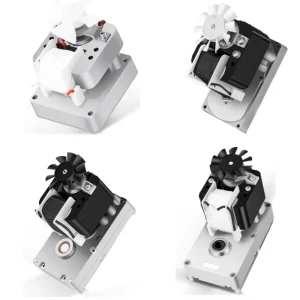
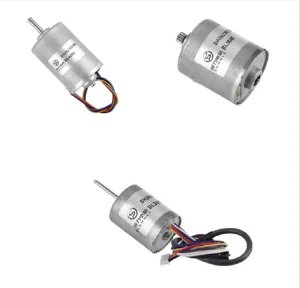
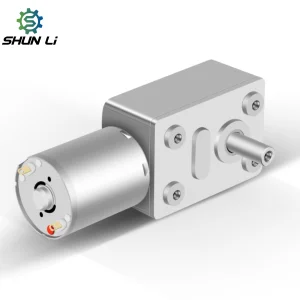
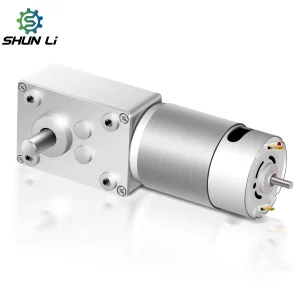
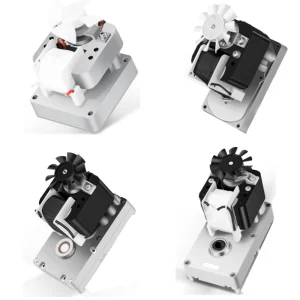
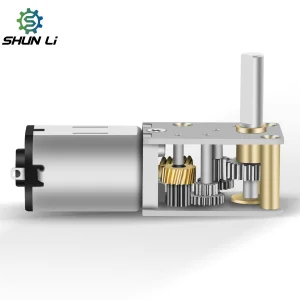
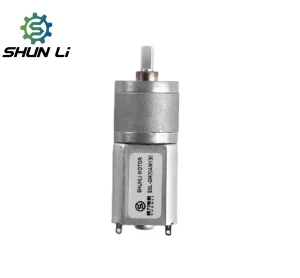
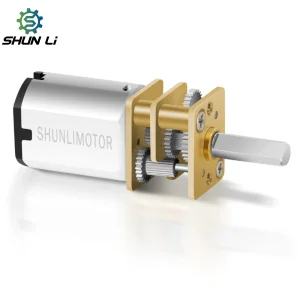
Select industrial-grade configurations engineered for medical automation, consumer robotics, smart door lock assemblies, and precise positioning drives.
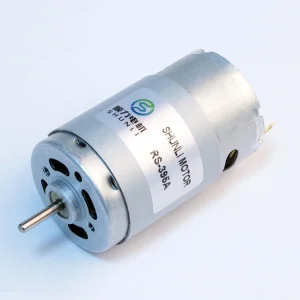
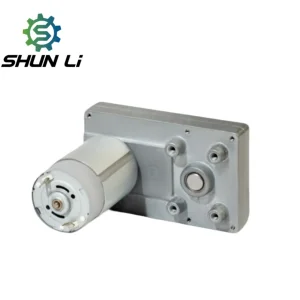
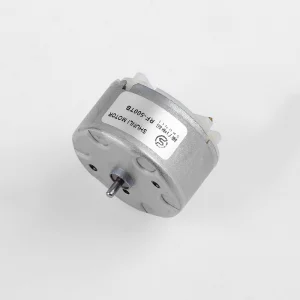
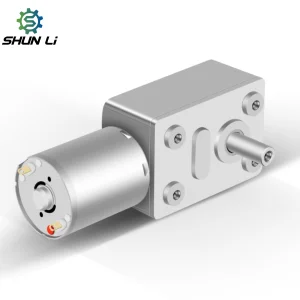
1. The Global Mini Electric Motor Industry Landscape
Miniature electric motors, including sub-fractional horsepower DC brushed, brushless (BLDC), and micro-geared systems, represent the critical nodes of modern mechanical automation. As global manufacturing pivots toward Industry 4.0, smart home devices, non-invasive medical equipment, and precise robotic kinematics, the demand for miniature electric drives has surged dramatically.
Historically dominated by basic permanent magnet structures, the industry now mandates integration of advanced feedback systems (such as incremental magnetic encoders and optical sensors), and custom gearboxes. China has evolved into the definitive global epicenter for both production volume and R&D refinement of mini electric motors. Today's procurement professionals must distinguish between transactional assembly houses and true engineering partners who implement strict ISO 9001:2015 methodologies, automated lathing, and rigorous electromagnetic evaluation parameters.
Modern micro-motors must achieve a balance of high torque-to-volume ratio, low structural resonance, and minimal electrical noise emissions to meet international compliance frameworks like FCC and CE.
2. Decoding Miniature Motor Architectures: Technical Selection Guide
Engineering selection criteria based on duty cycles, torque curves, commutation options, and gearbox designs.
Choosing the correct motor variant is critical for thermal stability and reliable operation. System designers must weigh the trade-offs of cost, operating life, and electronic drive complexity:
| Motor Classification | Commutation / Drive Style | Standard Operating Voltage | Common Gearbox Types | Primary Industrial Applications |
|---|---|---|---|---|
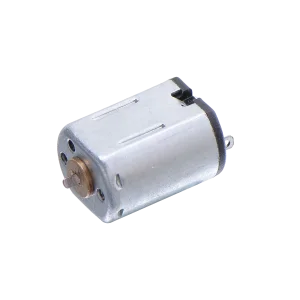
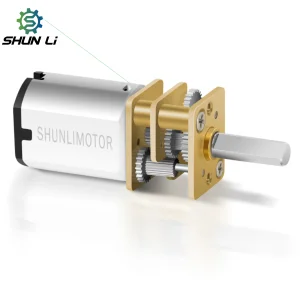
| Brushed DC Micro Motors (e.g., N20, N30) | Mechanical Carbon/Precious Metal Brushes | 1.5V - 24V DC | Spur / Worm / Planetary Reducer | Fingerprint locks, consumer electronics, toys, cameras |
| Brushless DC (BLDC) Micro Motors | Electronic Commutation (Sensored / Sensorless) | 12V - 24V DC | Planetary / Right-Angle Worm Gear | High-speed blowers, surgical equipment, precision robotics |
| Single-Phase Shaded Pole AC Motors | Induction (Slip-based) | 110V - 240V AC | Spur Metal Gearboxes | Vending machines, domestic ovens, slow asynchronous drives |
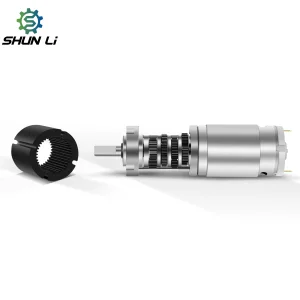
| Permanent Magnet DC (PMDC) Motors | Brushed Commutation | 6V - 36V DC | Planetary Gearbox / Inline Helical | Automotive actuators, medical pumps, electric tools |
Key Technical Metrics Demystified:
- Rotational Velocity (RPM) vs. Torque Load: Brushless variants maintain flat torque profiles across broad speed ranges, whereas brushed motors offer high starting torque but face frictional losses at high RPM.
- Back-EMF and Driver Stability: In sensorless BLDC control, the Back-Electromotive Force (Back-EMF) must be measured by the driver IC to determine phase commutation timing.
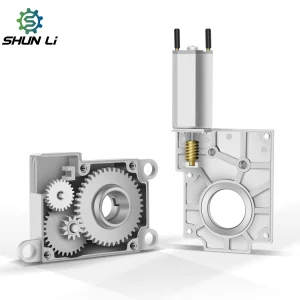
- Gear Reduction Ratio Efficiency: Standard inline spur gearboxes yield higher efficiency (up to 90% per stage) but generate moderate acoustic profiles. Worm gearboxes provide self-locking safety at the expense of lower mechanical transmission efficiency.
Valex Motor: Industrial-Grade Micro Motors Built for Reliability
Looking for a transparent, direct-from-source China factory to secure your miniature motor supply chain without the middleman markups? Valex Motor is engineered for your peace of mind. We deliver world-class precision drives directly from our manufacturing floors to global production lines under strict zero-defect quality control.
Operating from our specialized engineering facility, we manage the entire value chain—from sourcing raw magnetic steels and winding precision armatures to CNC micro-machining gear systems. This vertical integration allows us to keep engineering tolerances down to the micron level and significantly reduce production turnaround times.
The Valex Motor Advantage at a Glance:
- 20+ Years of Manufacturing Integrity: Established heritage ensuring mature automated production lines and perfectly repeatable batch consistency.
- 100% In-House Performance Testing: Every single motor is rigorously tested for torque, speed, and acoustic noise under industrial loads before shipping.
- Rapid Custom Prototyping: We modify shafts, gearheads, wire harnesses, and encoders to fit your housing perfectly.
- Global Compliance Ready: All products are built fully compliant with international CE, RoHS, and REACH safety standards.
3. The Manufacturing Ecosystem: Factory Capabilities & Machining Assets
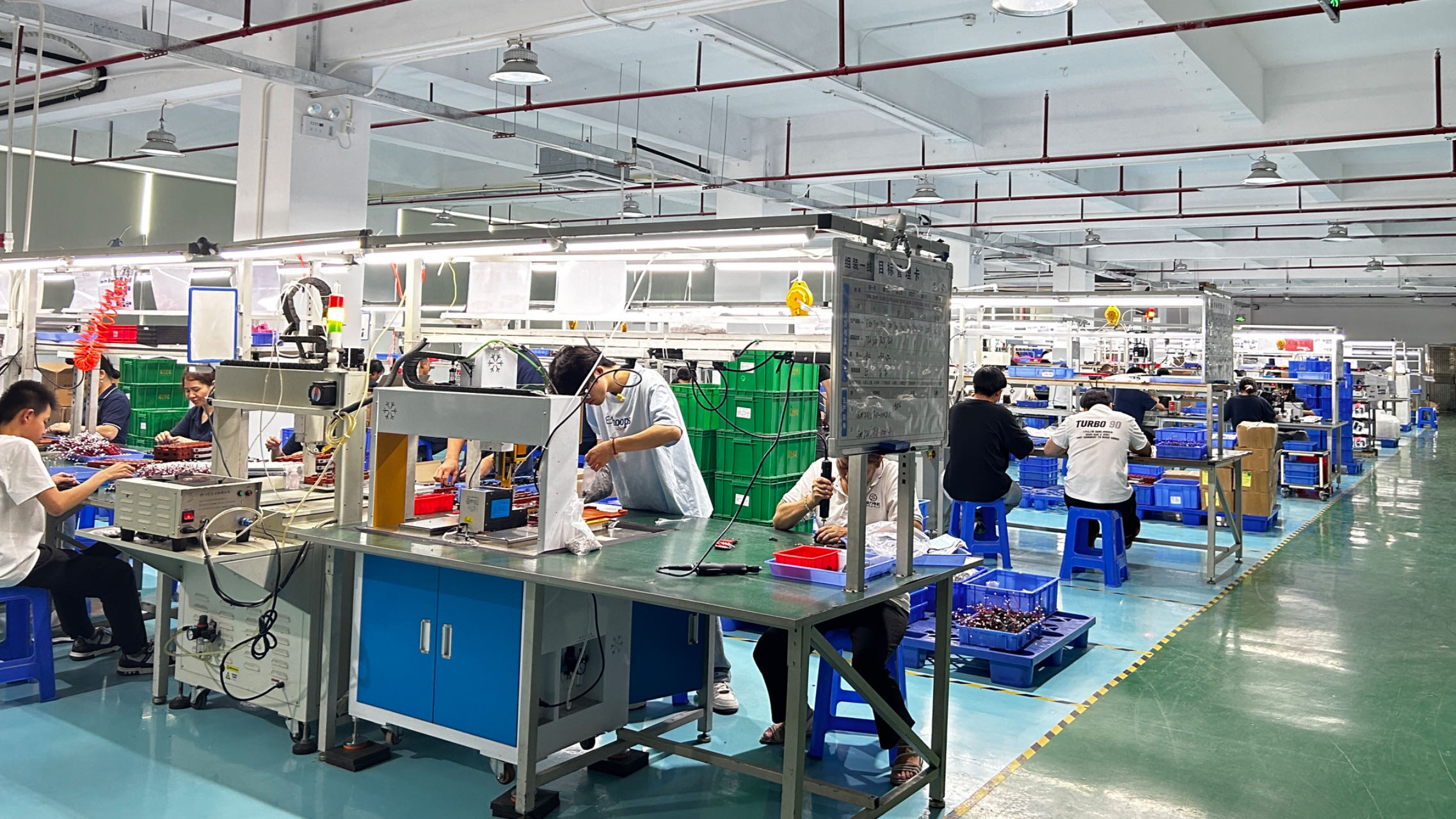
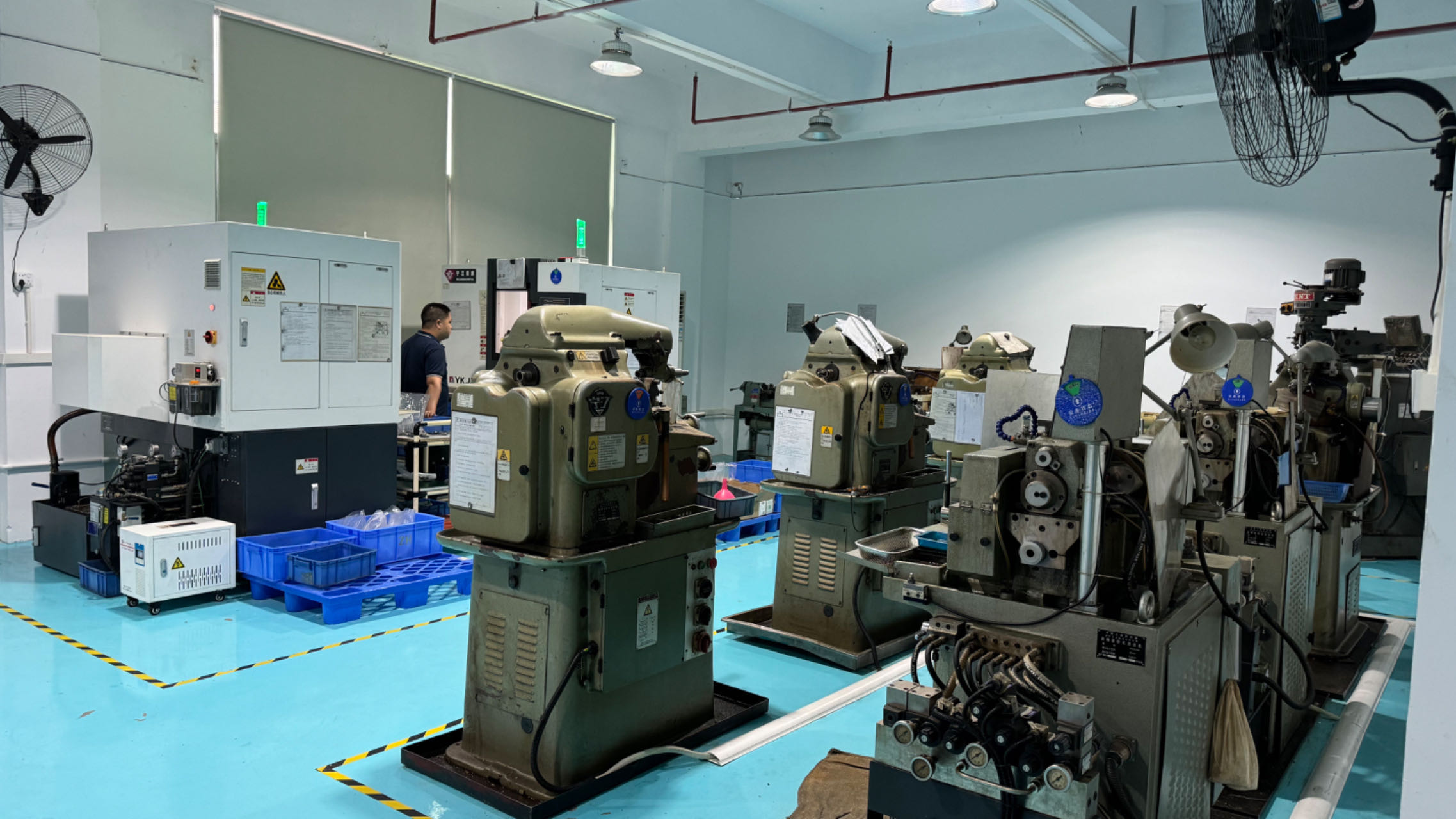
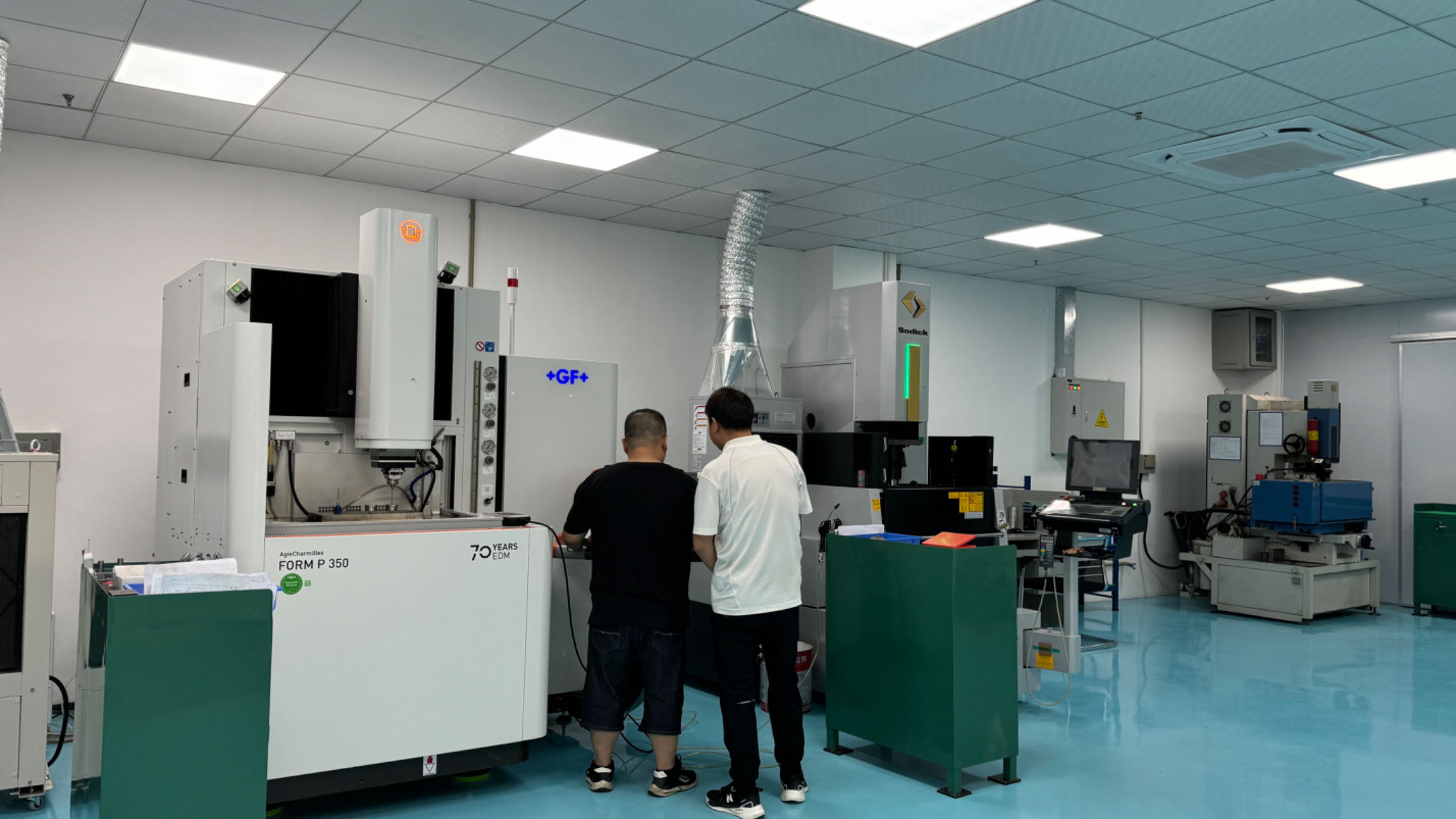
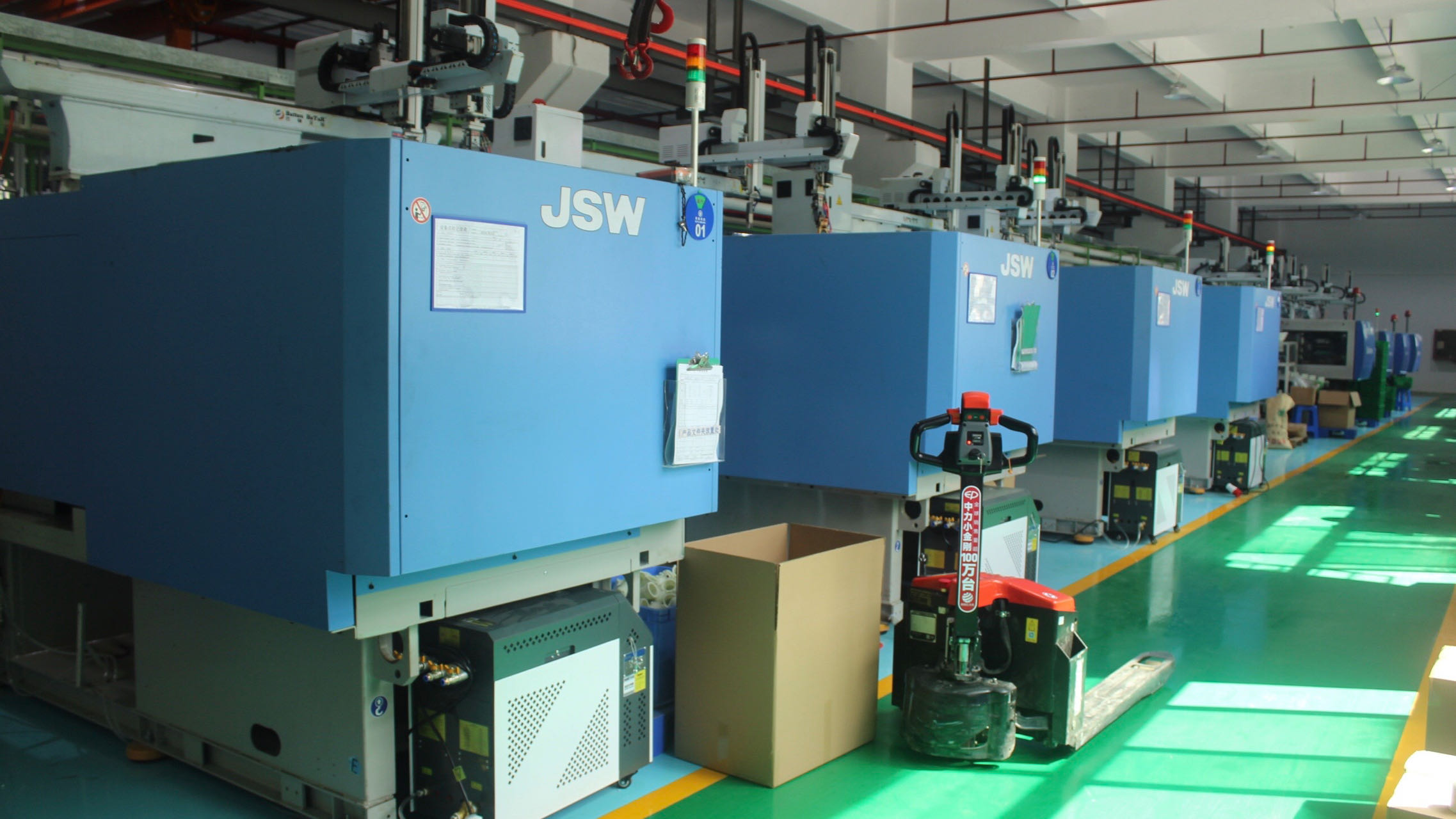
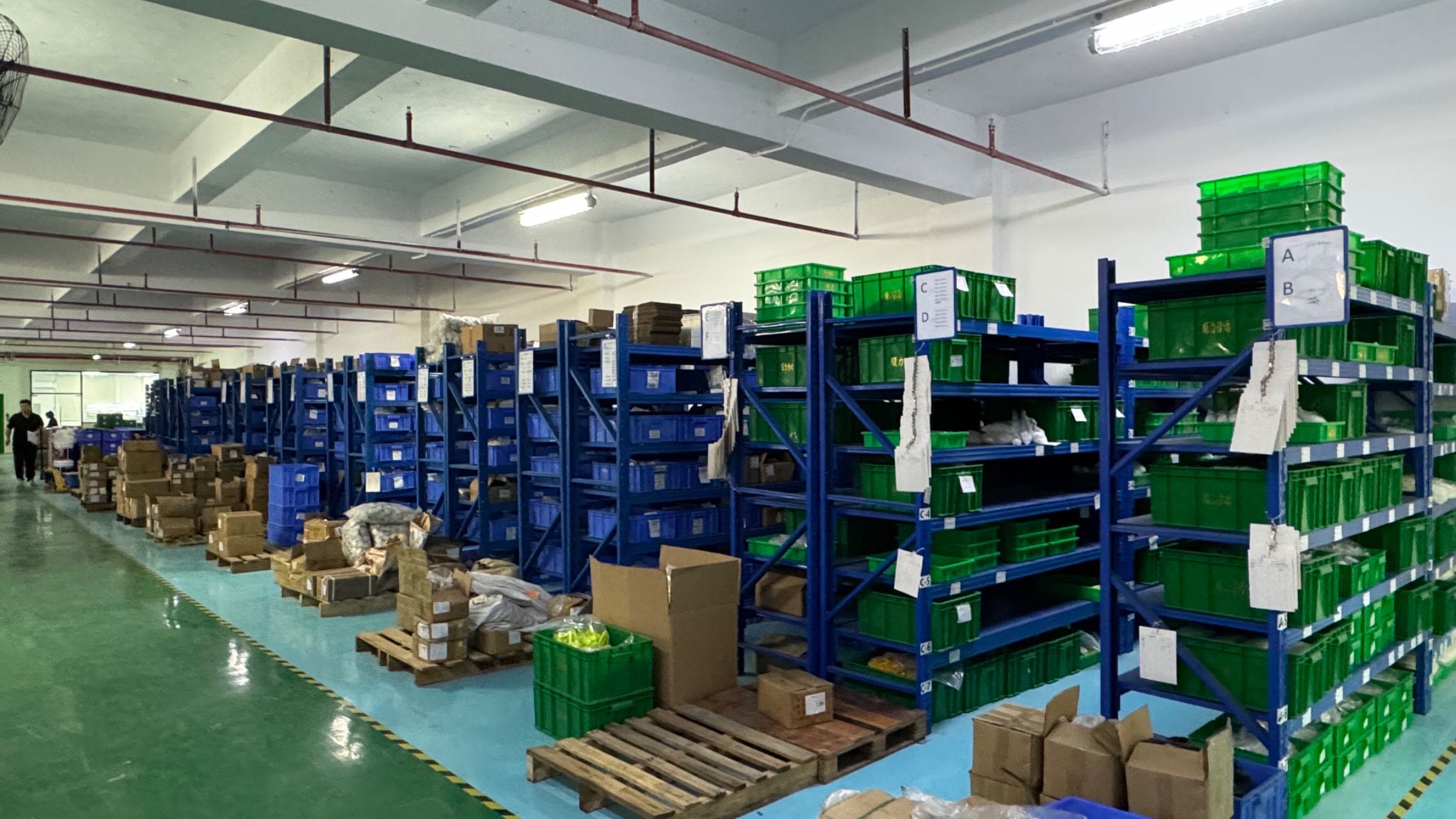
Transparent visual documentation of our automated production stages, precision equipment lines, and raw material warehousing.
Production Line
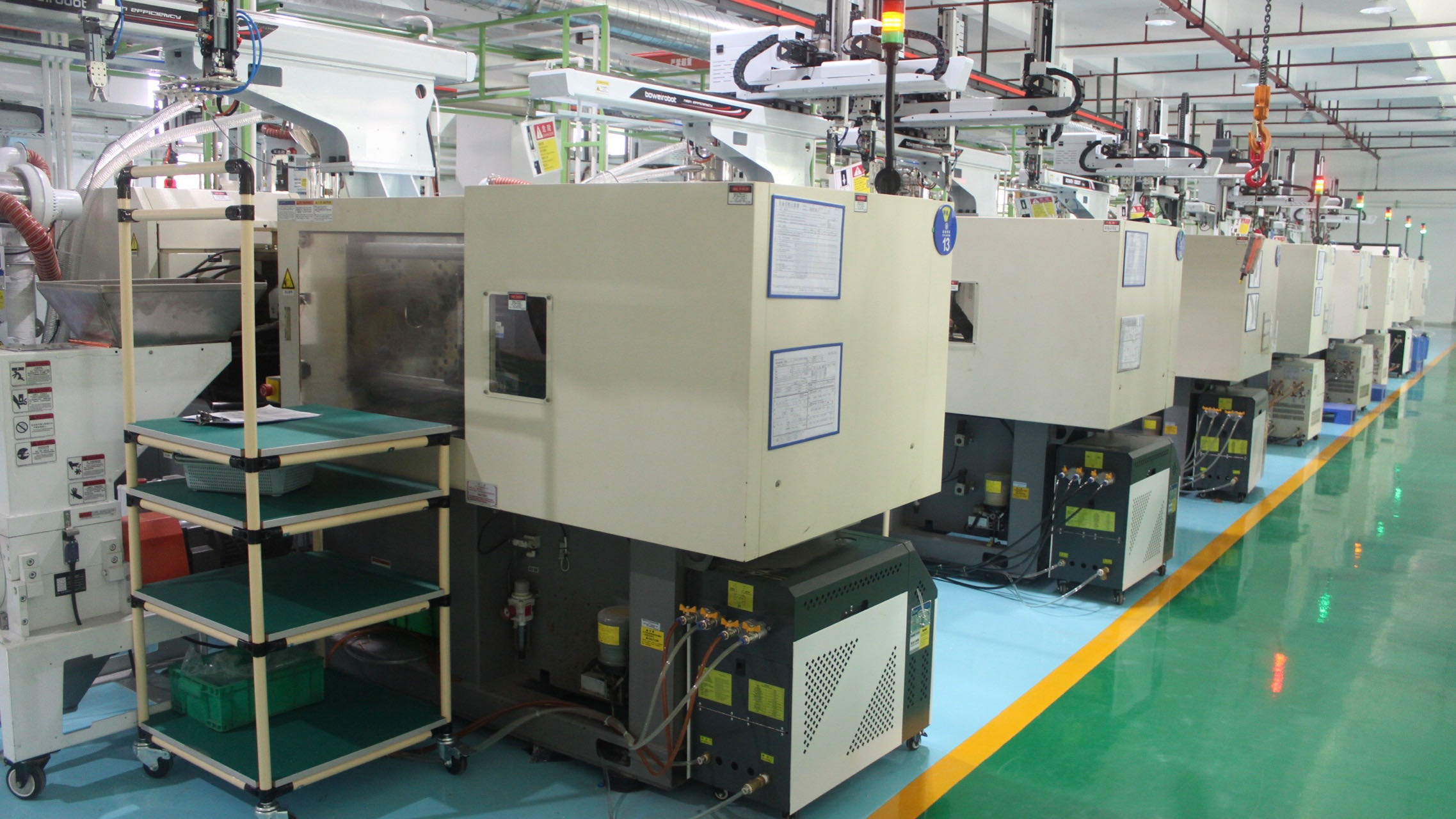
Assembly Division
Gear Calibration

Raw Material
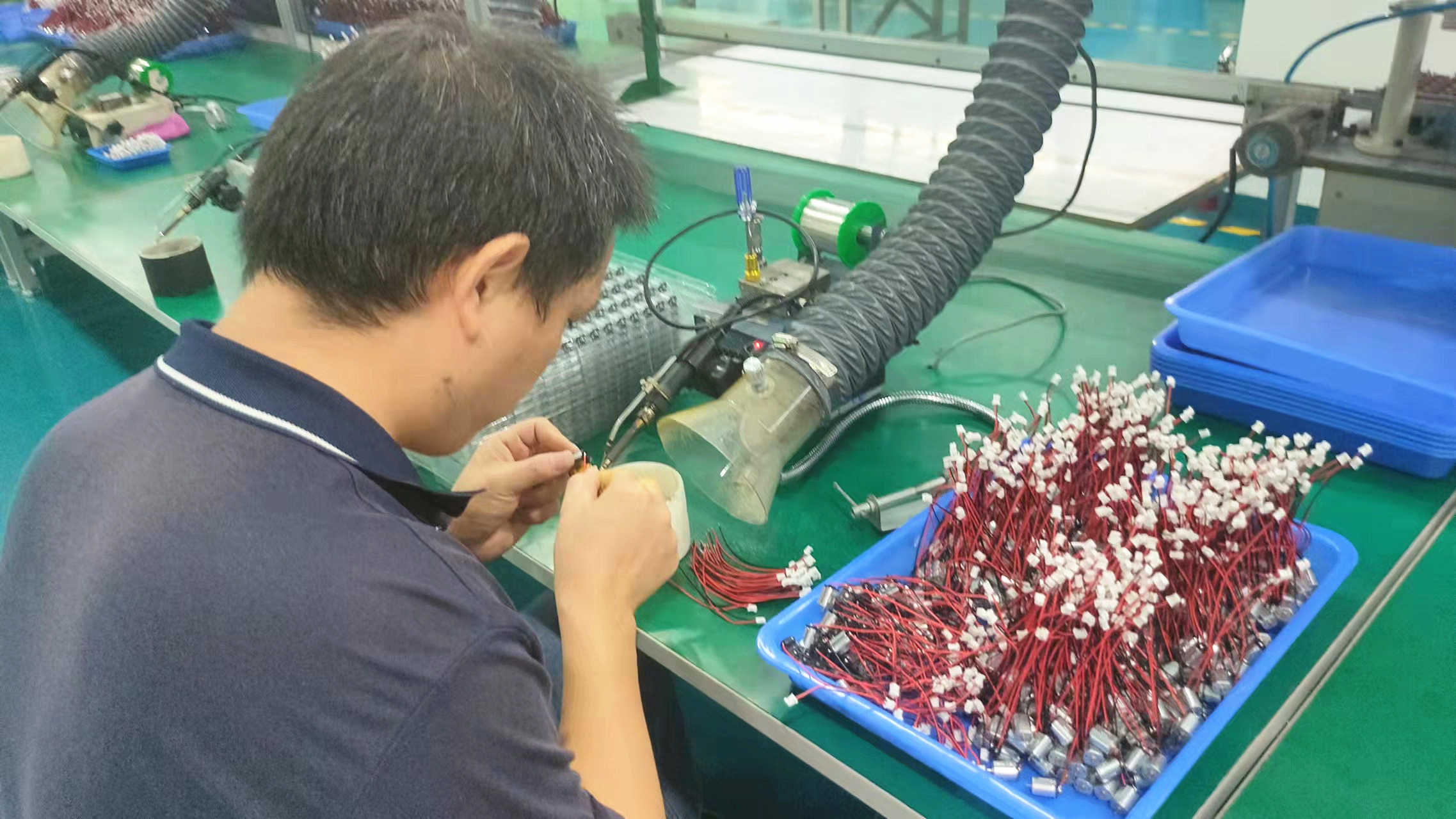
Soldering
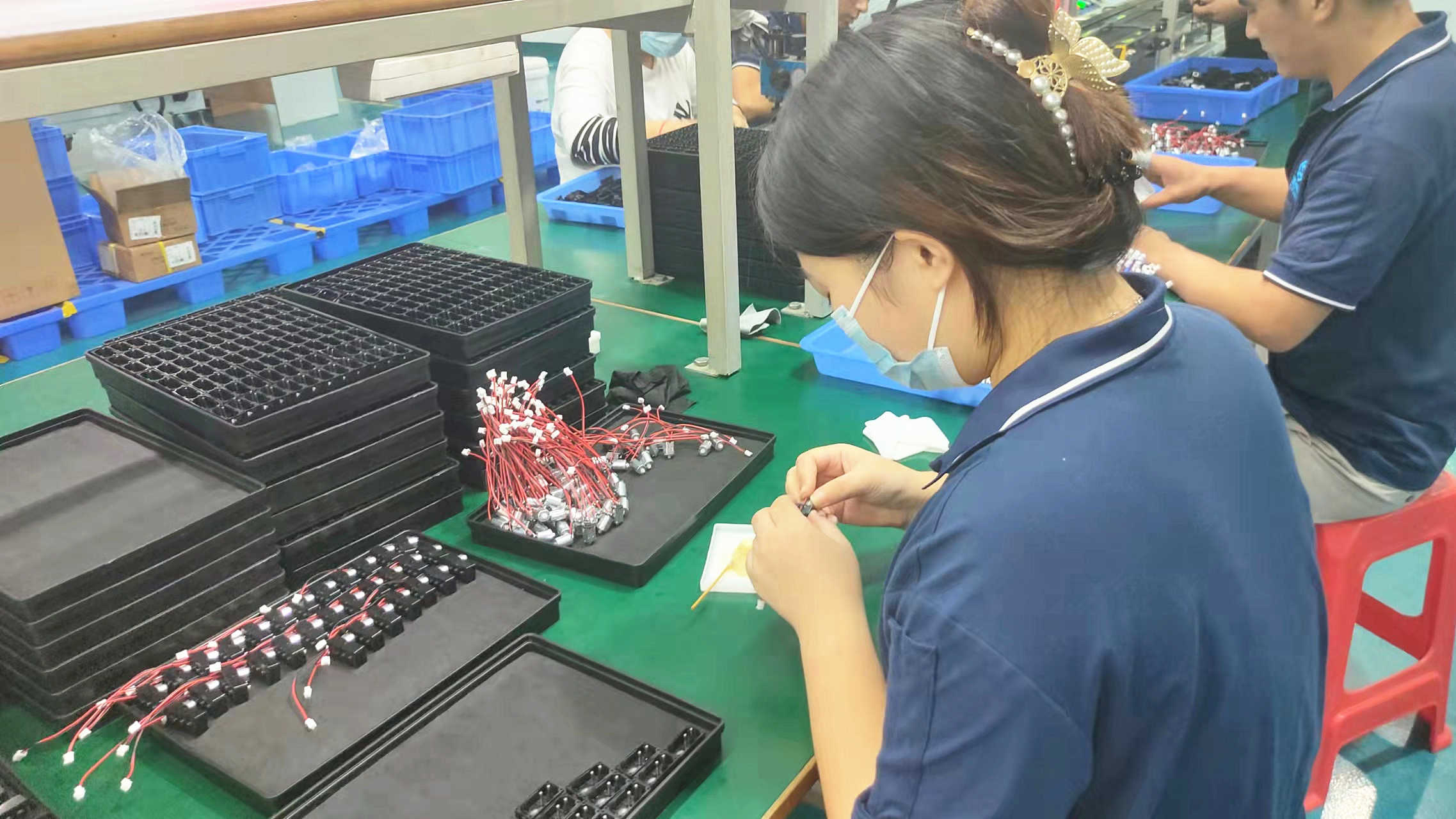
Assembling
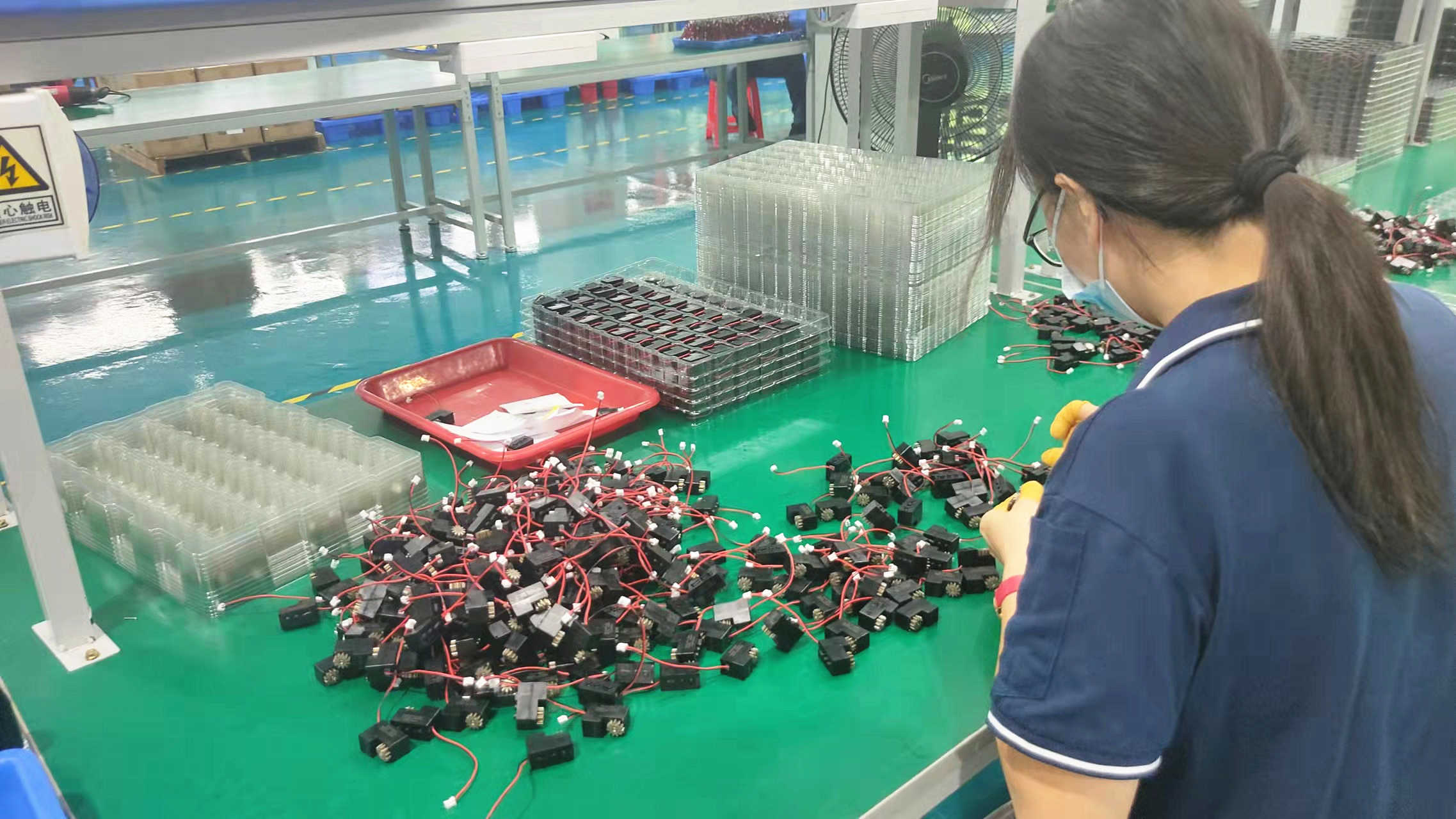
Testing
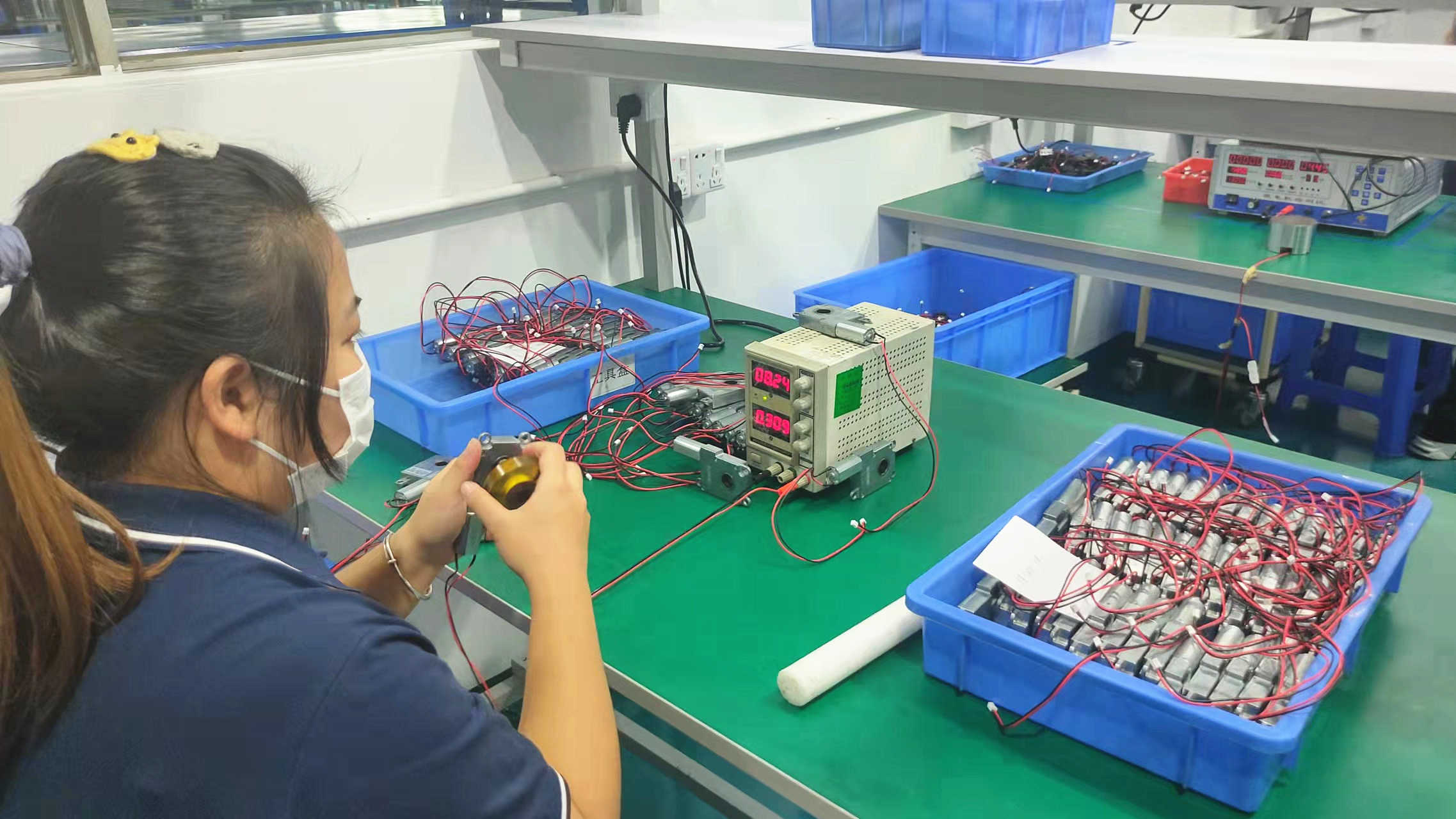
Packing
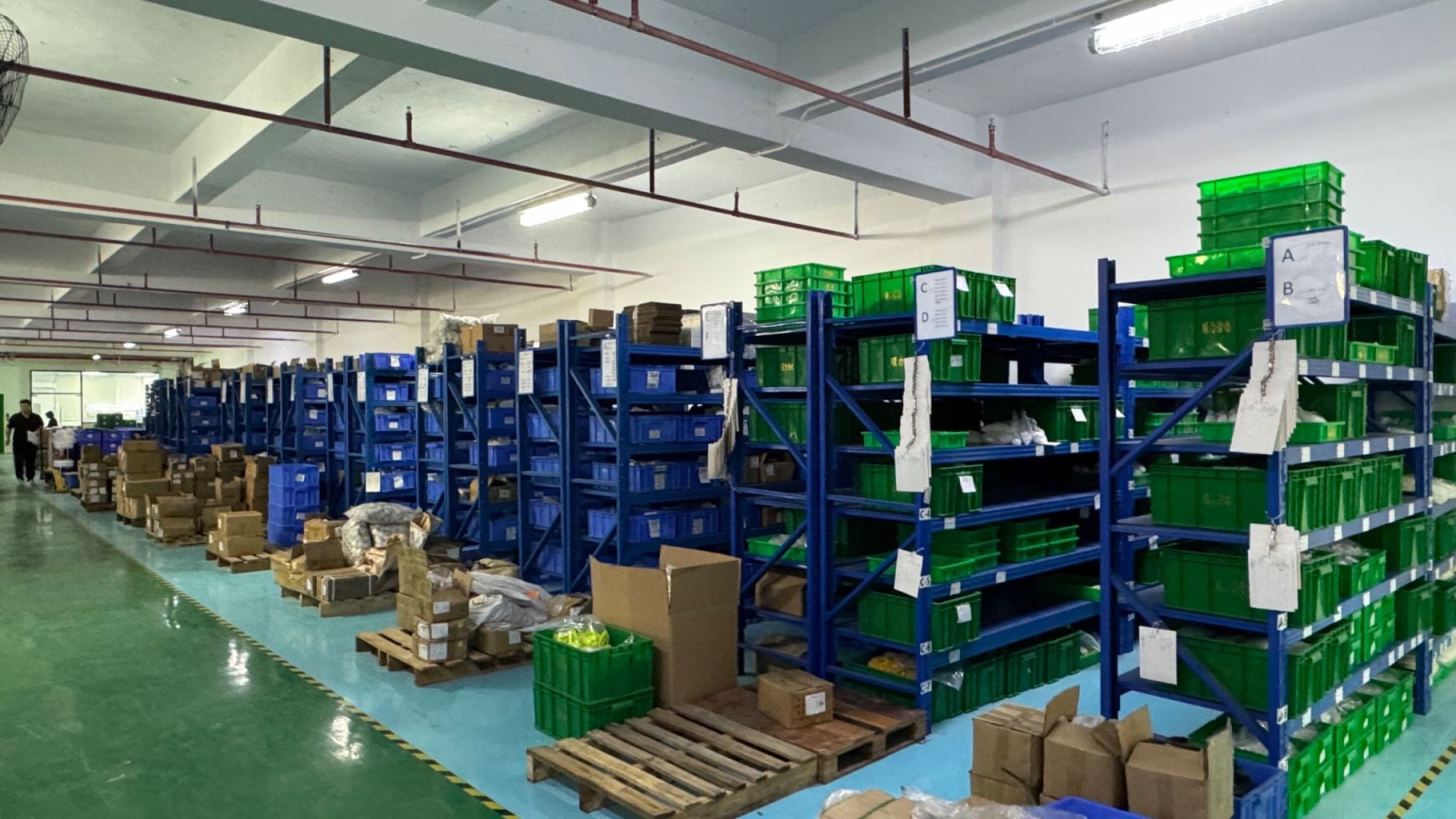
Storage
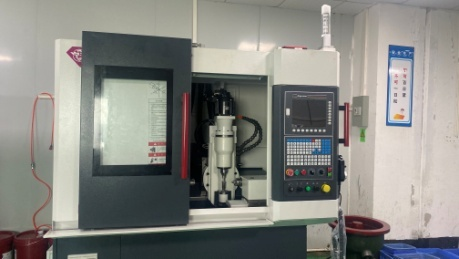
Ningjiang Machine Tool
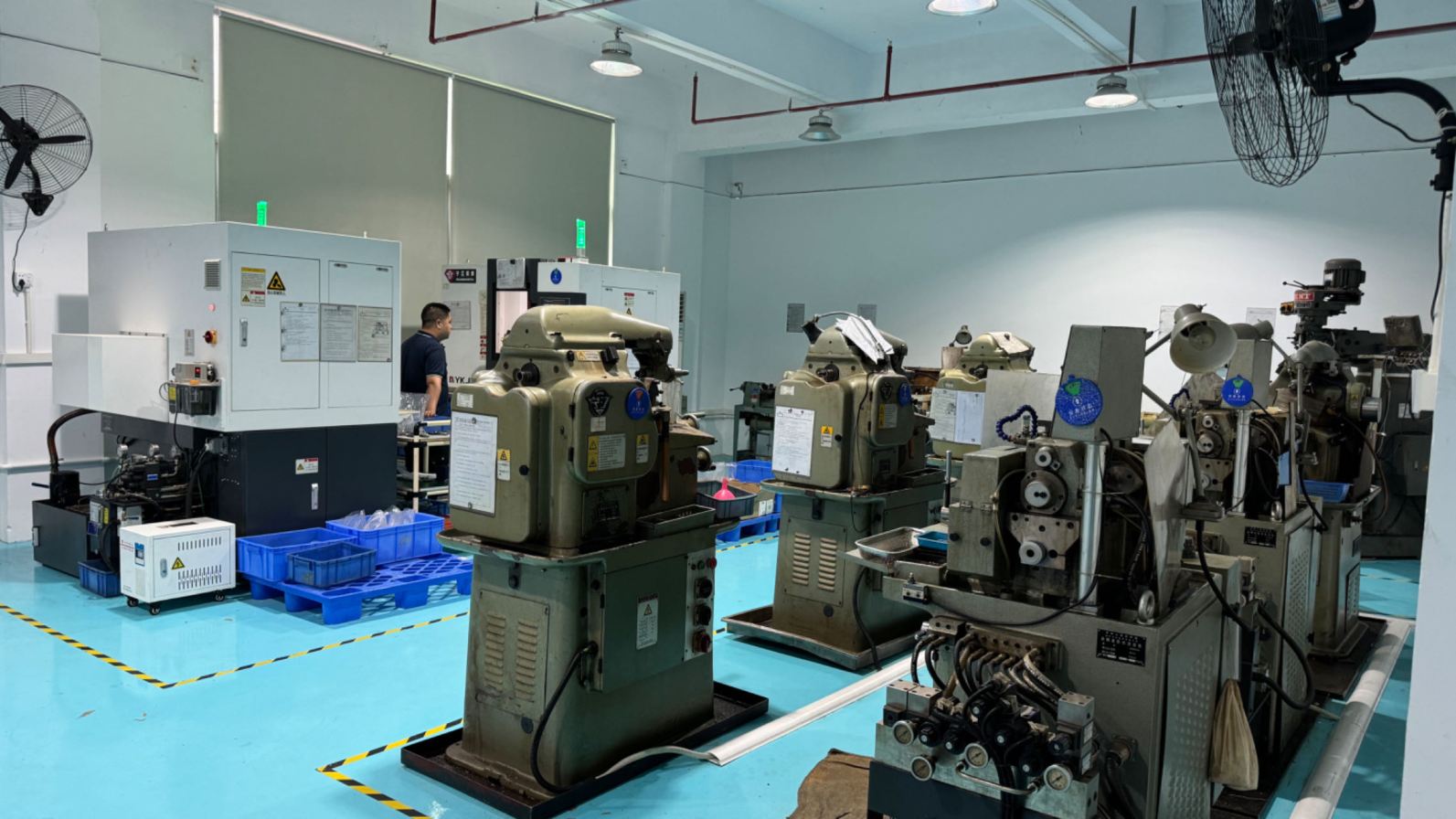
Horizontal Gear Hobbing
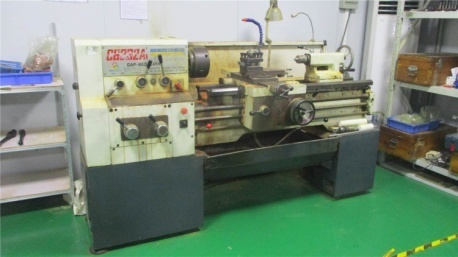
Lathing Machine
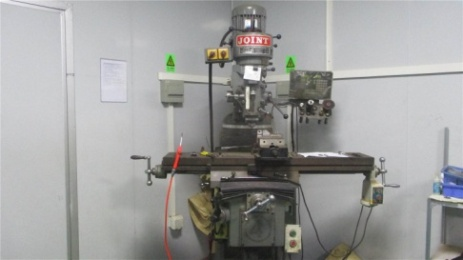
Milling Machine
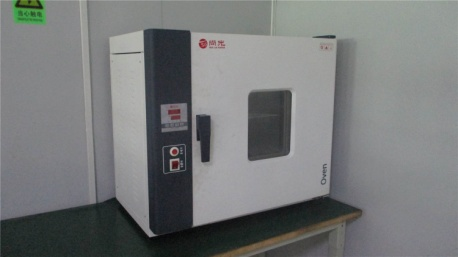
Drying Oven
Automatic Gear Riveting
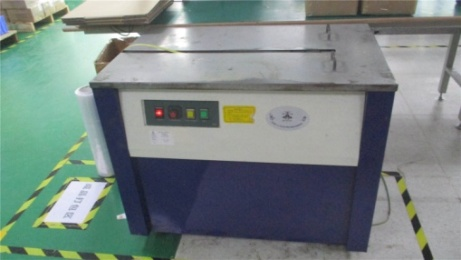
Packing Machine
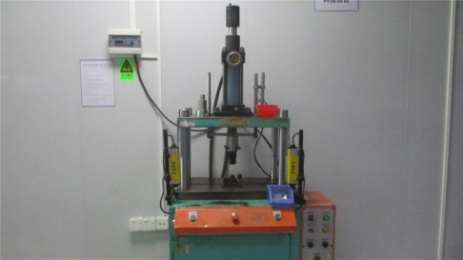
Pneumatic Pressing Machine
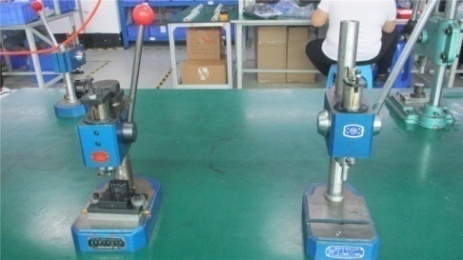
Manual Pressing Machine
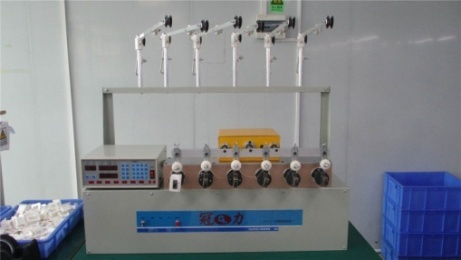
Computer Wire Winding
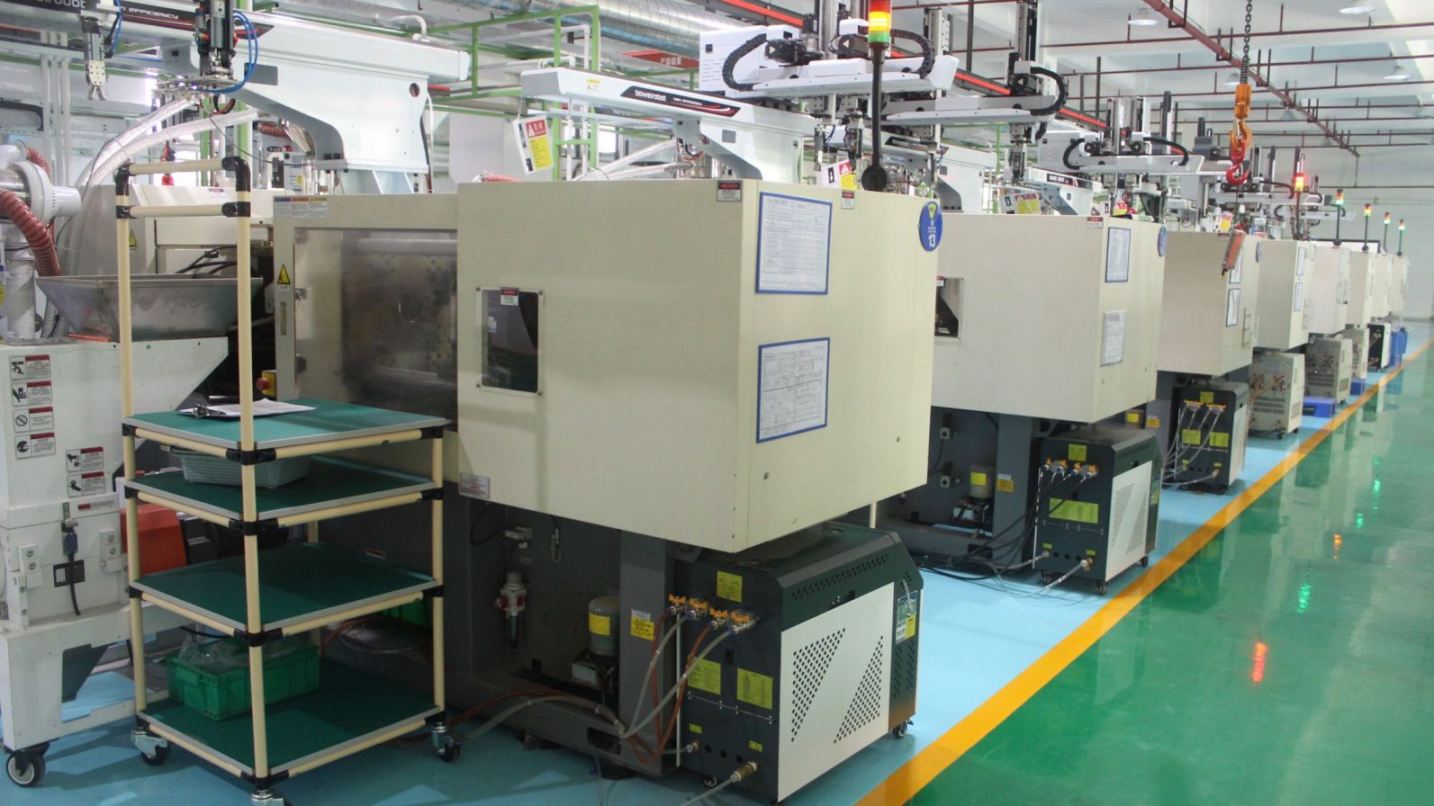
Injection Machine
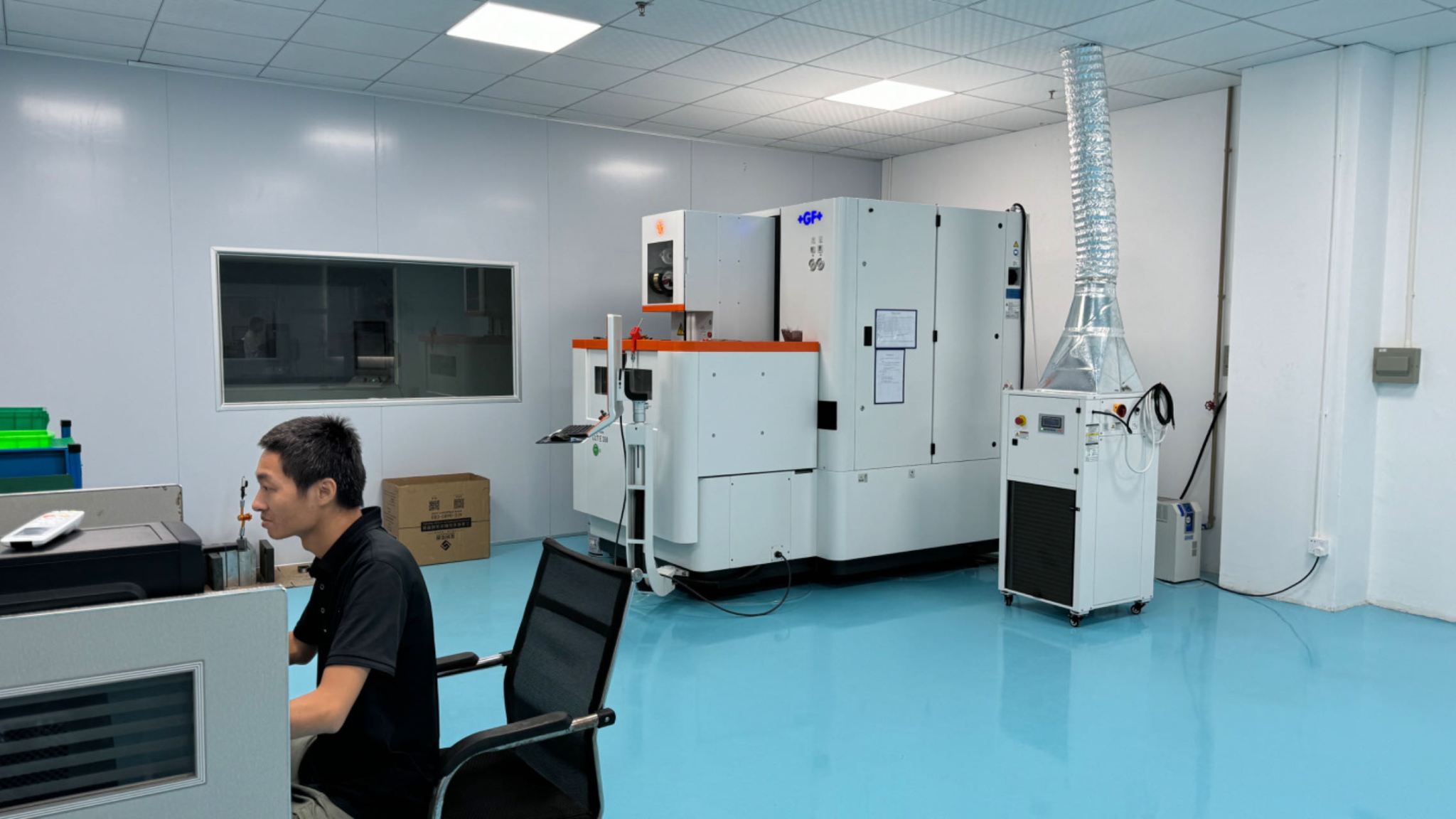
Slow-feeding NC wire-cut
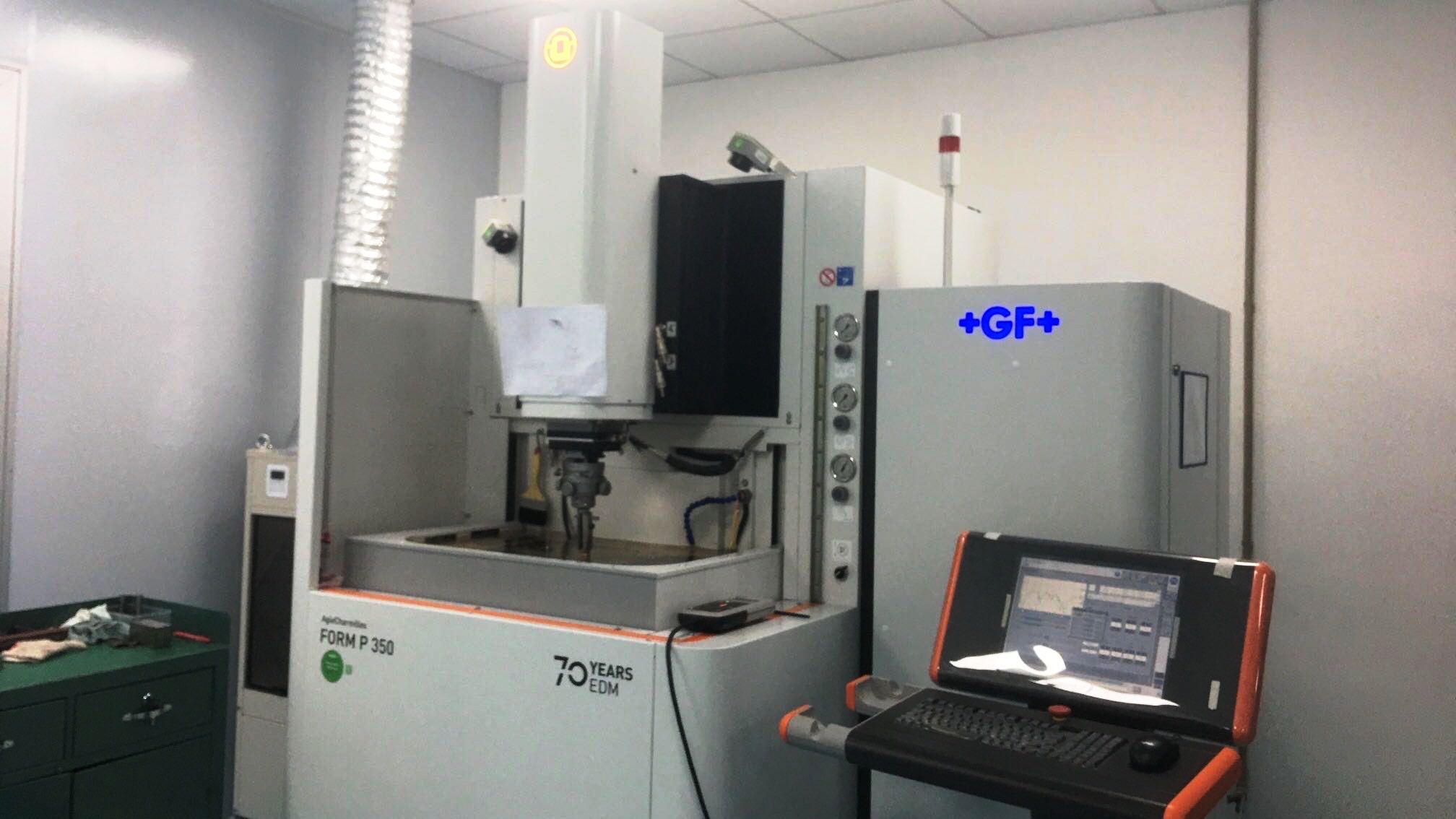
EDM Machine
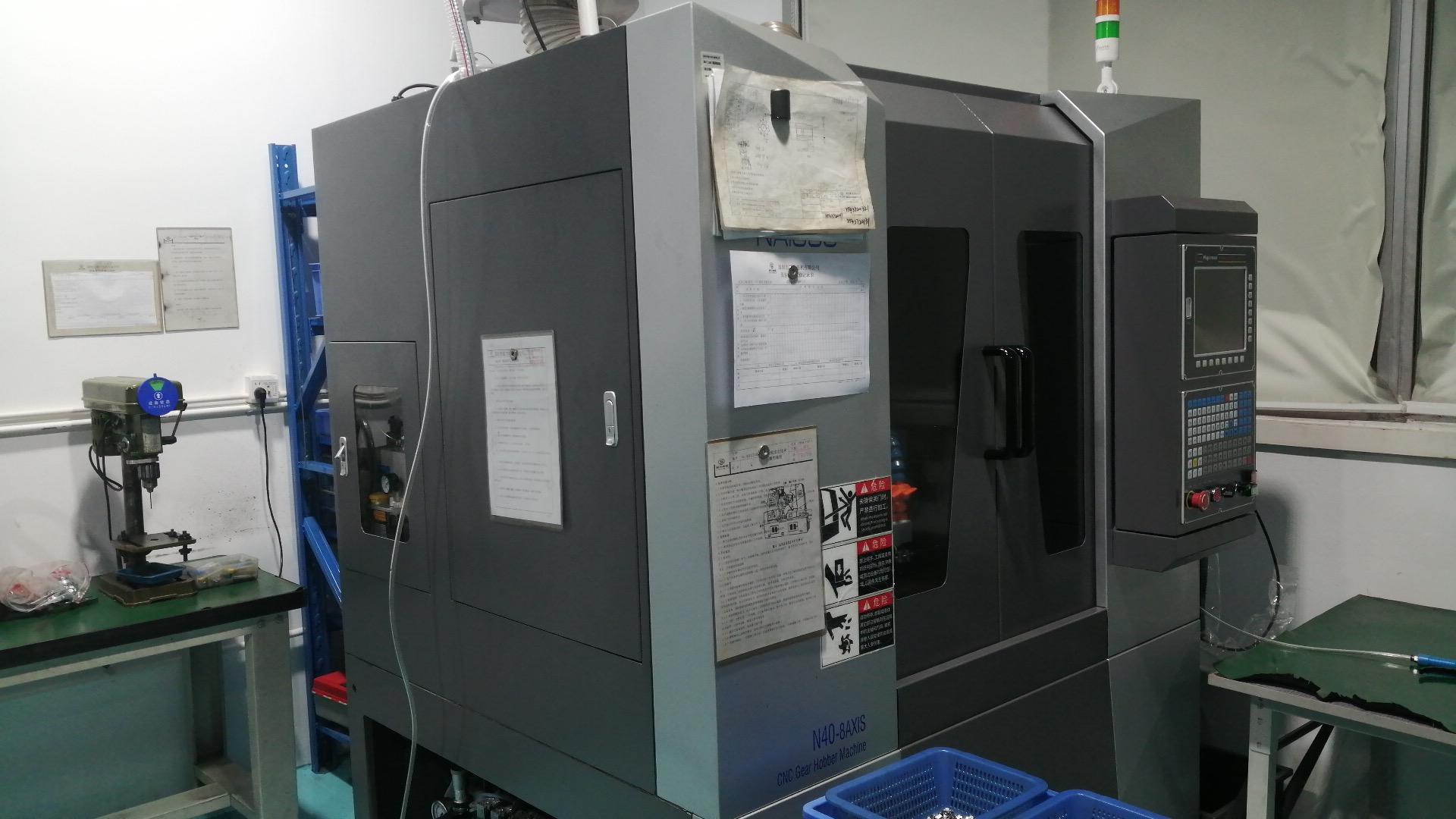
Hobbing Machine
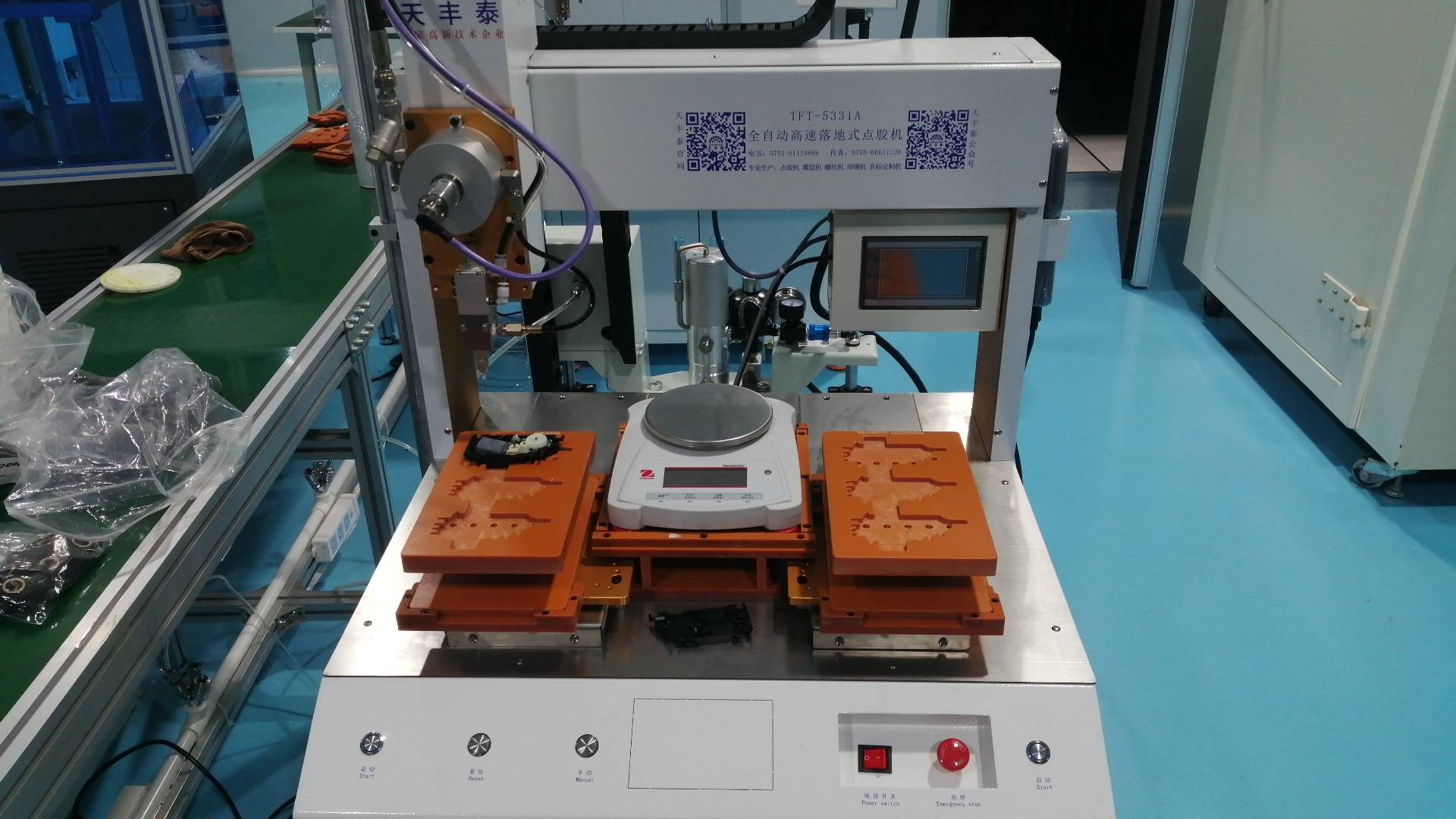
Glue Dispenser
4. Rigorous Quality Control Metrology: Ensuring Zero-Defect Shipments
No micro-drive leaves our facility without undergoing comprehensive structural, electrical, and environmental stress profiling.
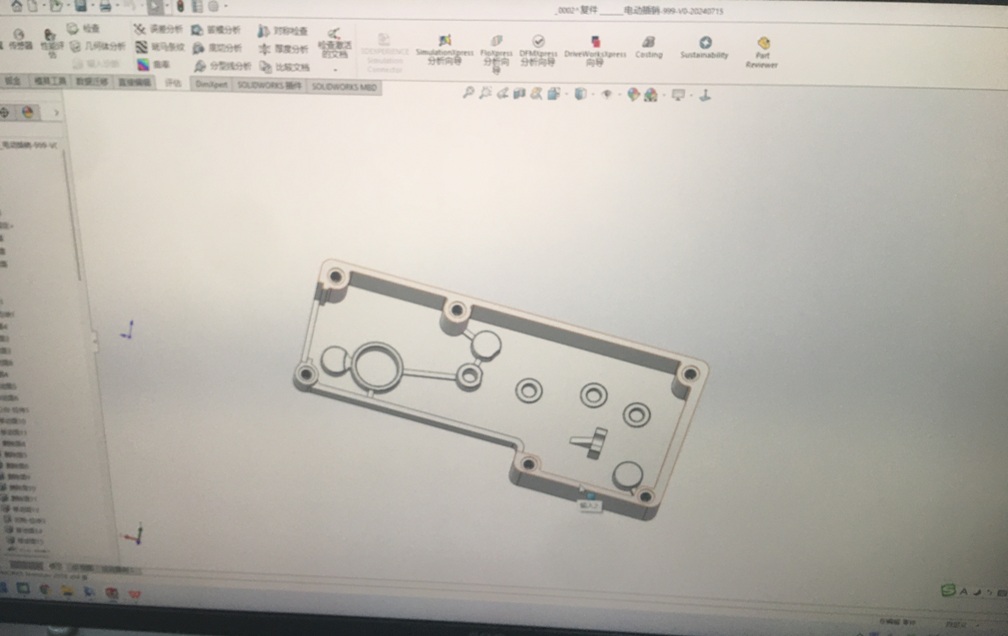
Design Validation
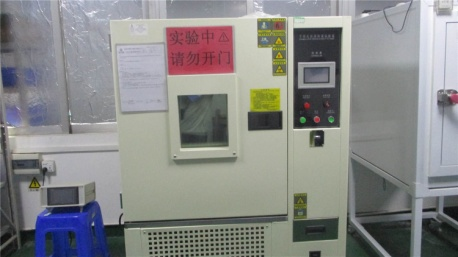
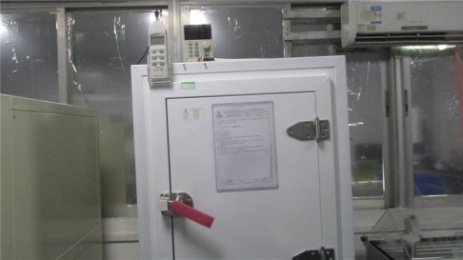
Thermal Shock Test
Acoustic Analysis
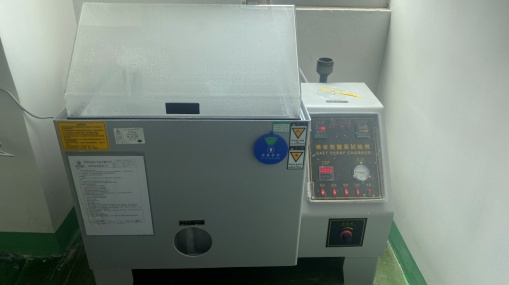
Salt Spray Chamber
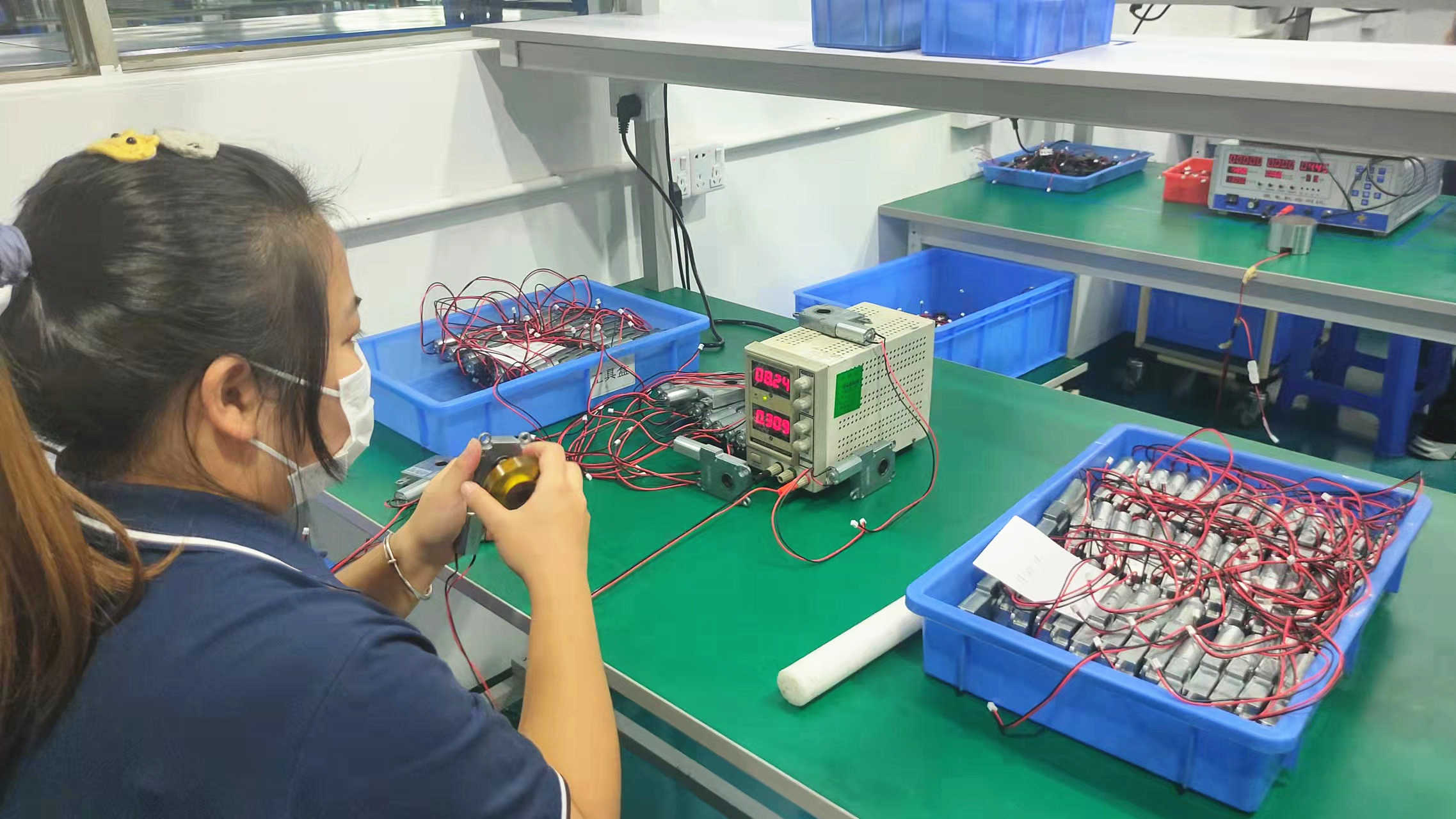
QC Checking
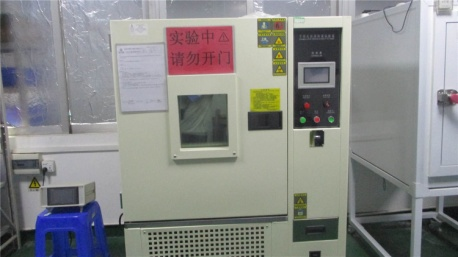
Temp & Humidity
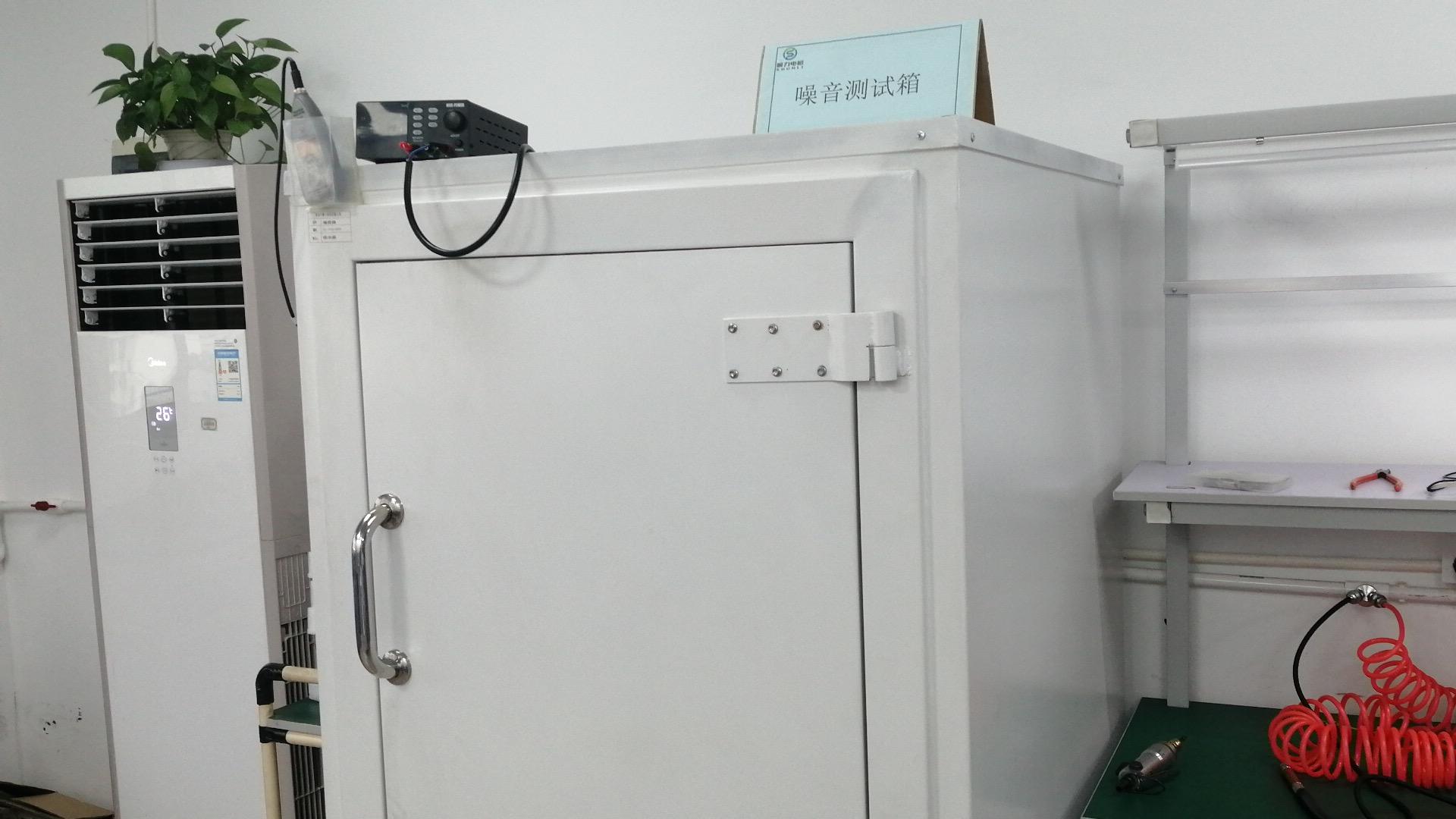
Noise Control
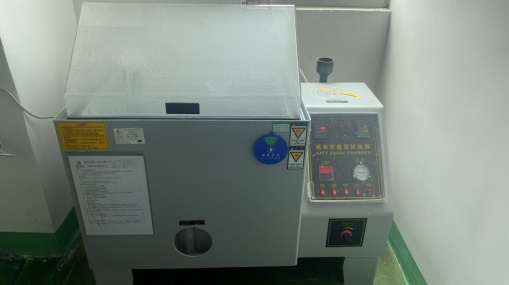
Corrosion Test
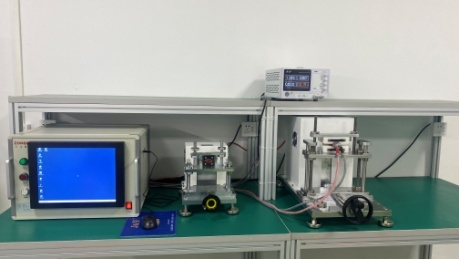
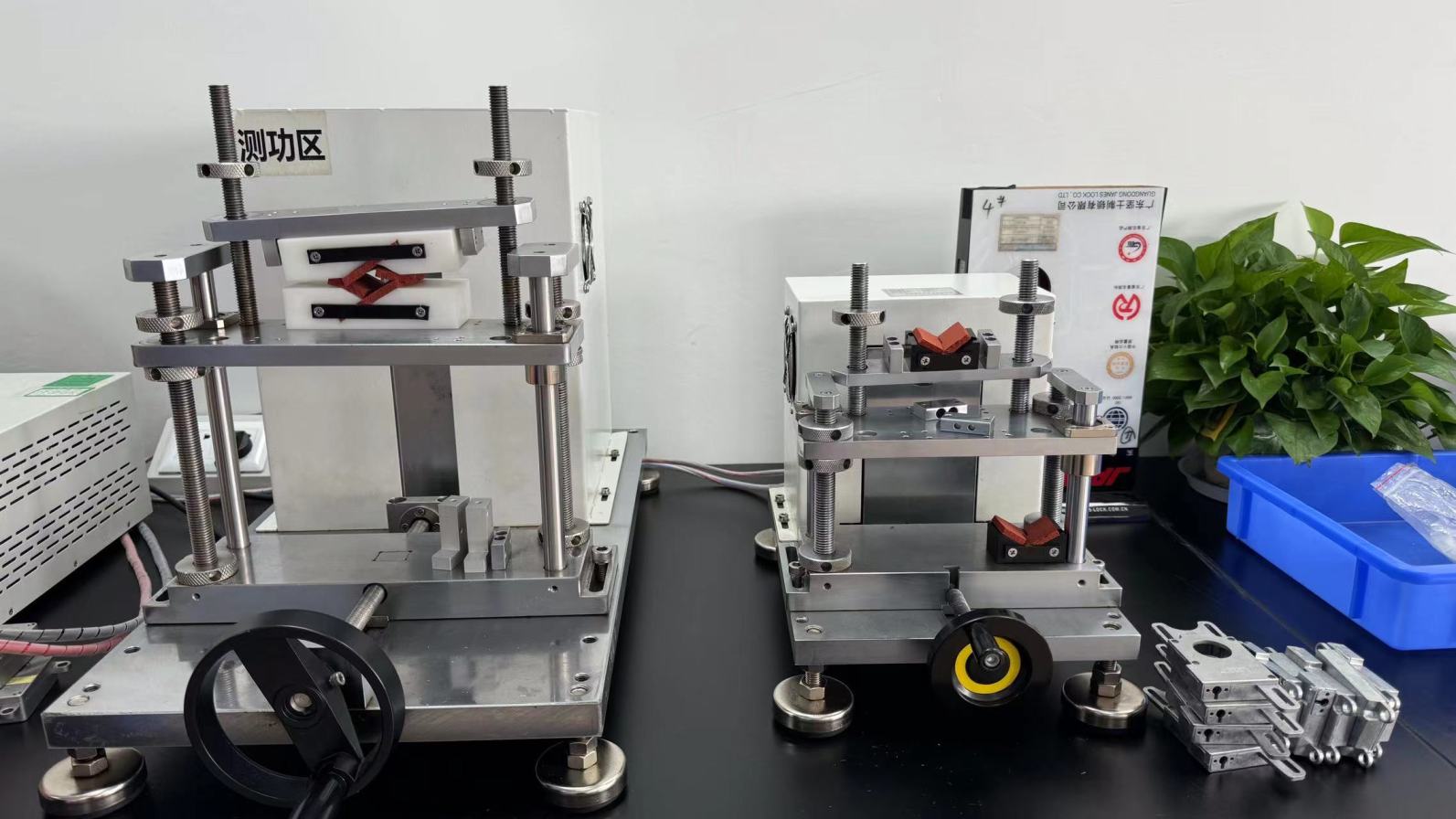
Dynamometer Machine
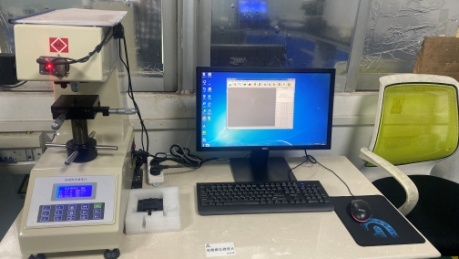
Hardness Tester
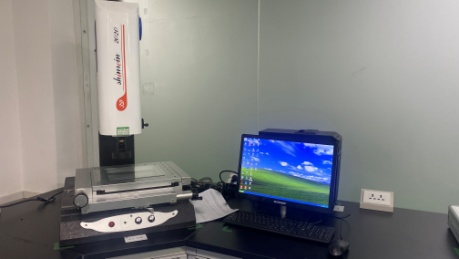
Video Measurement
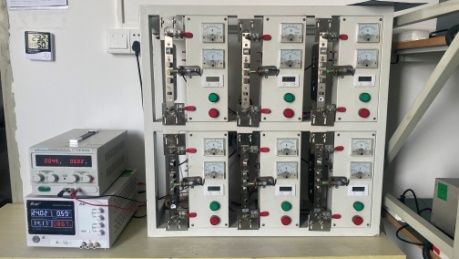
Aging Shelf
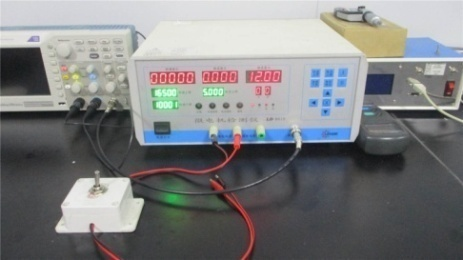
Motor Tester
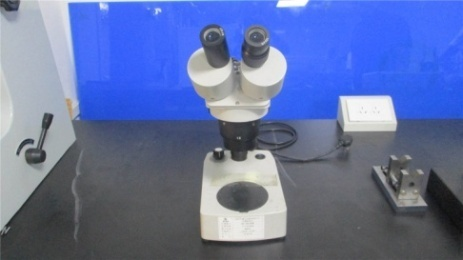
Microscope
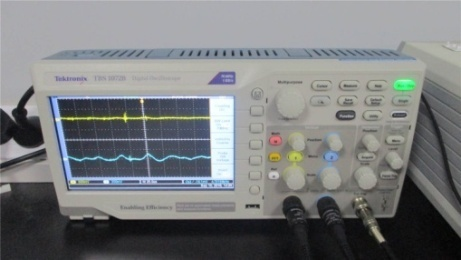
Digital Oscilloscope
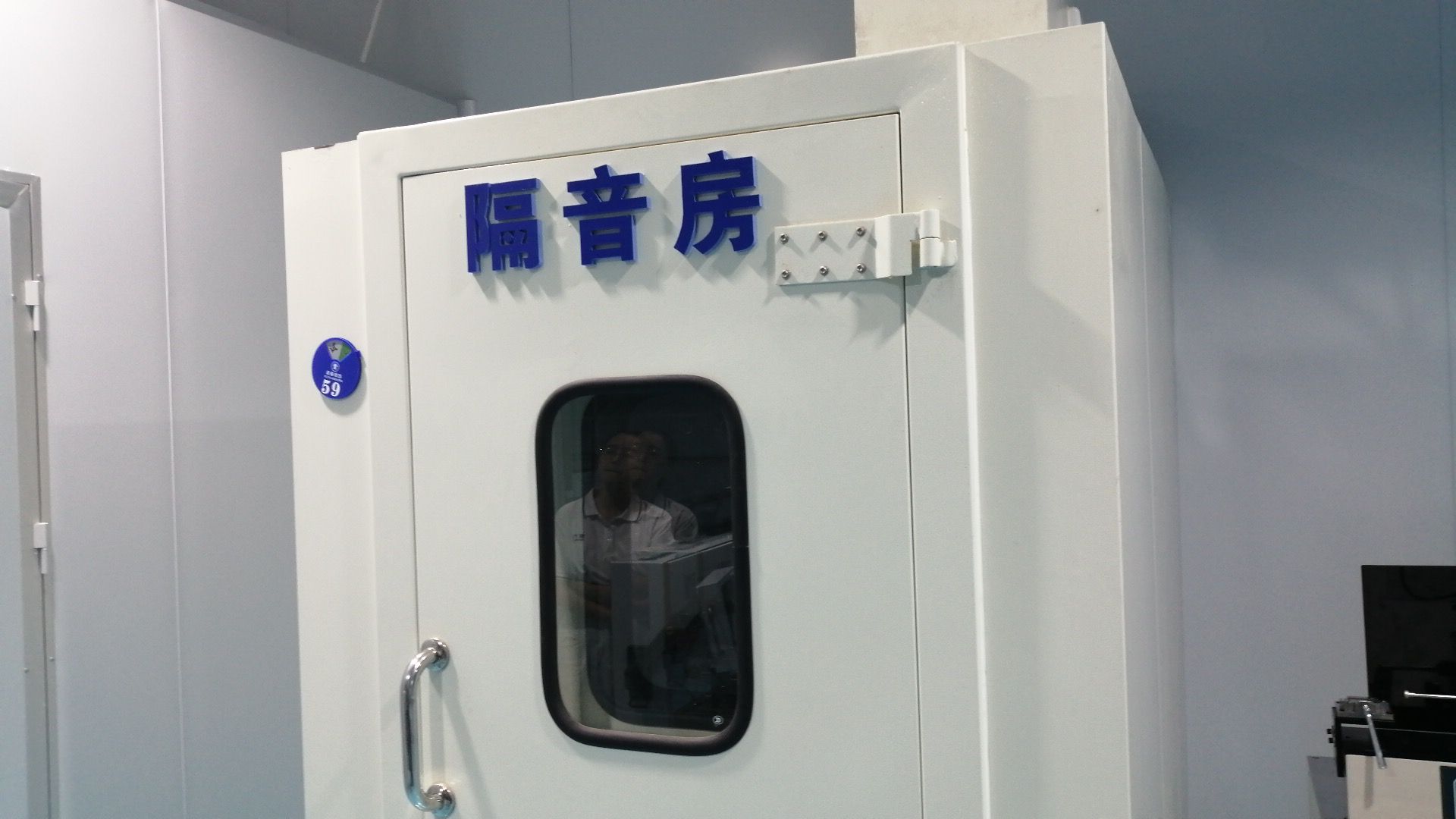
Soundproof Room
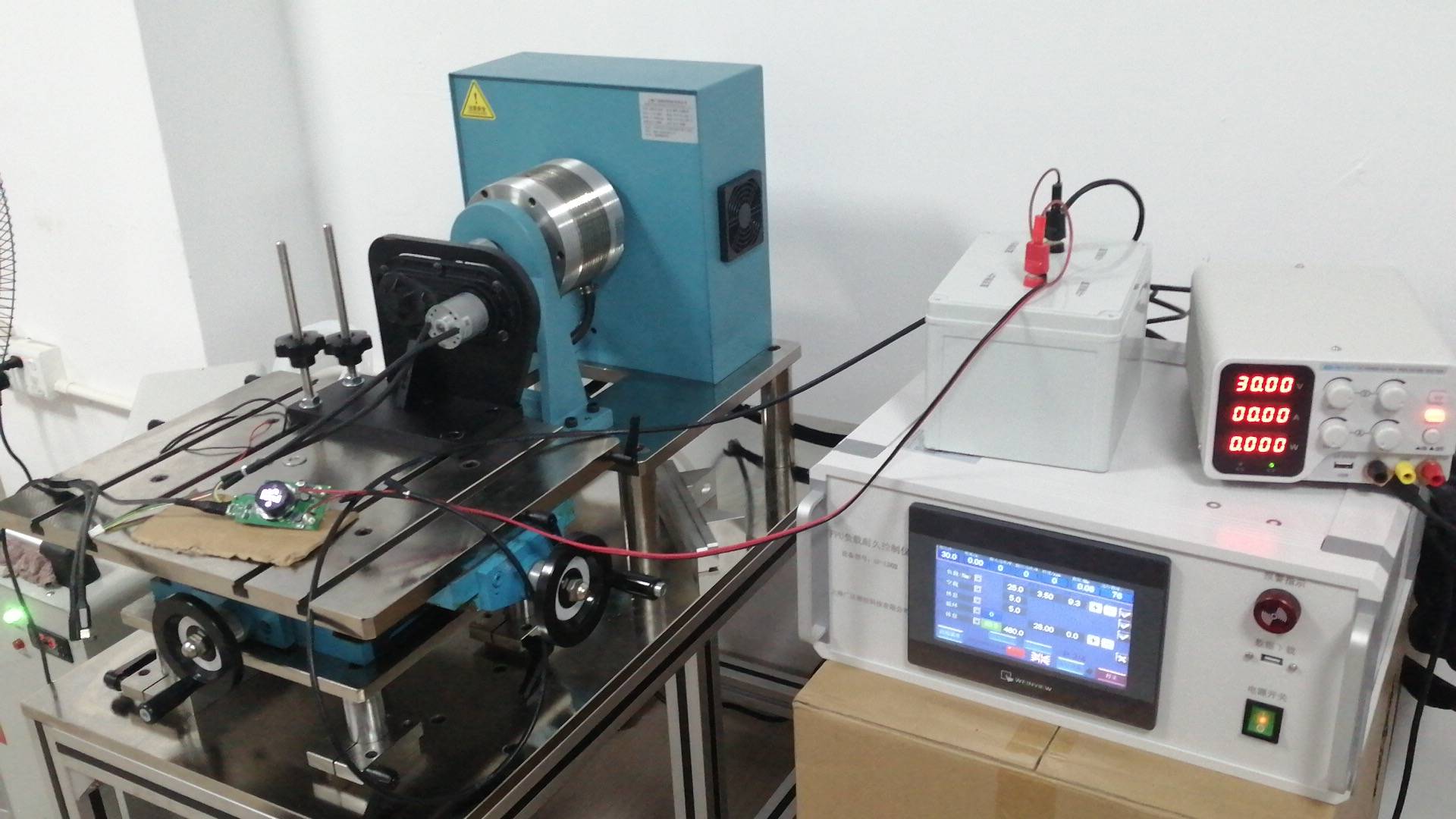
Magnetic Powder Tester
By mapping mechanical profiles via Load Dynamometers, checking micro tolerances using a 2.5D Video Measuring Instrument, and verifying acoustic footprints in our dedicated Soundproof Room, we ensure that every batch exhibits less than 50 PPM failure rate. This minimizes product recalls and warranty claims for your brand.
5. Custom Engineering & Co-Development Workflow
From schematic drafts to physical prototypes, Valex adapts shafts, gearheads, and winding specifications to match your application requirements.
Off-the-shelf catalog motors rarely meet the exact envelope boundaries, shaft loads, or electrical characteristics required by specialized products. At Valex Motor, our engineering team collaborates closely with your R&D department to customize every component of the drive system.
Customization Capabilities Portfolio:
- Shaft Geometry: Customized flat D-cuts, cross-drilled pinholes, keyways, splined profiles, and dual-output extensions.
- Optimized Coil Windings: Customized wire gauge and turn count modifications to match specific voltage limits, operating currents, and torque constants ($K_t$).
- Advanced Materials: Integration of high-grade Neodymium ($NdFeB$) permanent magnets for applications demanding high torque density in tight spaces.
- Sensors & Feeback: Optional installation of magnetic encoders, optical sensors, or custom-wired connectors to simplify driver integration.
Standard Prototype Timeline
Our rapid tooling capabilities (leveraging in-house Slow-feeding NC Wire-cut and EDM machines) reduce early-stage prototyping lead times to just 10 to 15 working days. This agility allows you to accelerate your hardware development cycle and launch products faster than competitors relying on traditional supply channels.
6. Future Roadmaps, Applications & Compliance Frameworks
Analyzing future technological trends, domestic application environments, and international procurement standards.
Emerging Technology Trends
The micro-motor sector is transitioning from standard brush commutation to sensorless, field-oriented control (FOC) brushless topologies. This shift is driven by the need for higher energy efficiency, reduced maintenance overhead, and quieter operation. We are actively expanding our production capacities for coreless BLDC motors. These designs feature skew-wound, ironless stators to eliminate cogging torque, providing exceptionally smooth rotation and precise dynamic control for high-accuracy applications.
Local Application Scenarios
Whether integrated into medical peristaltic pumps in Germany, high-precision 3D printing pens in the USA, or heavy-duty electric lawn mowers in Australia, our motors are engineered to withstand diverse environments. We design specifically for varying environmental factors—including thermal fluctuations, dust ingress, and electrical noise interference—ensuring reliable long-term performance across different regions.
Supply Chain Resilience & Regulatory Conformance
To ensure smooth customs clearance and compliance in North America and the European Union, Valex Motor implements strict raw material verification. We source only certified, conflict-free copper wires and magnets. Additionally, all our components conform strictly to CE, RoHS, and REACH directives, which protects your products from regulatory import issues.
7. Industrial Procurement & Technical FAQ
Technical answers to help engineers and purchasing managers simplify the sourcing process.
Q1: What is the typical Minimum Order Quantity (MOQ) for custom-engineered motors?
For standard catalog items with minimal modifications (such as custom lead wires), the MOQ starts at 1,000 units. For fully customized structures requiring unique gearboxes, specialized shaft lathing, or custom tooling, the MOQ generally starts at 5,000 units to offset the cost of automated production setup.
Q2: How does Valex Motor control acoustic noise emissions in consumer applications?
We use high-precision helical gears, synthetic high-performance lubricants, and dynamic rotor balancing. Furthermore, our dedicated Anechoic and Noise Testing Chambers allow us to measure acoustic signatures down to 25 dB, ensuring compliance with strict residential noise limits.
Q3: Can your DC micro gear motors handle radial and axial shaft loads?
Yes. Depending on your load requirements, we can replace standard oil-impregnated sintered bronze bushings with high-performance miniature ball bearings. This modification significantly increases allowable radial and axial loads, preventing premature shaft wear in high-stress applications.
Q4: What is the standard lead time for mass production delivery?
Once engineering drawings are finalized and approved, standard production takes 25 to 30 days. For urgent production runs or established contract orders, we can coordinate with our materials department to expedite manufacturing schedules.
Q5: How do you verify material authenticity and compliance?
All incoming steel, magnets, copper wire, and plastic resins must clear inspection at our receiving department. Every delivery includes material certificates and SGS laboratory reports, which are linked to batch numbers to ensure complete material traceability.
High-Torque Reduction Drives & Miniature Actuators
Explore our technical options, featuring shade-pole AC configurations, brushless DC systems, and high-reduction right-angle gearboxes.